Cocktail Competitions and Chinatown’s Quiet Spatial Displacement
As imported pop-up spectacles occupy legacy enclaves, casual hospitality risks treating historic urban fabric as temporary scenography.
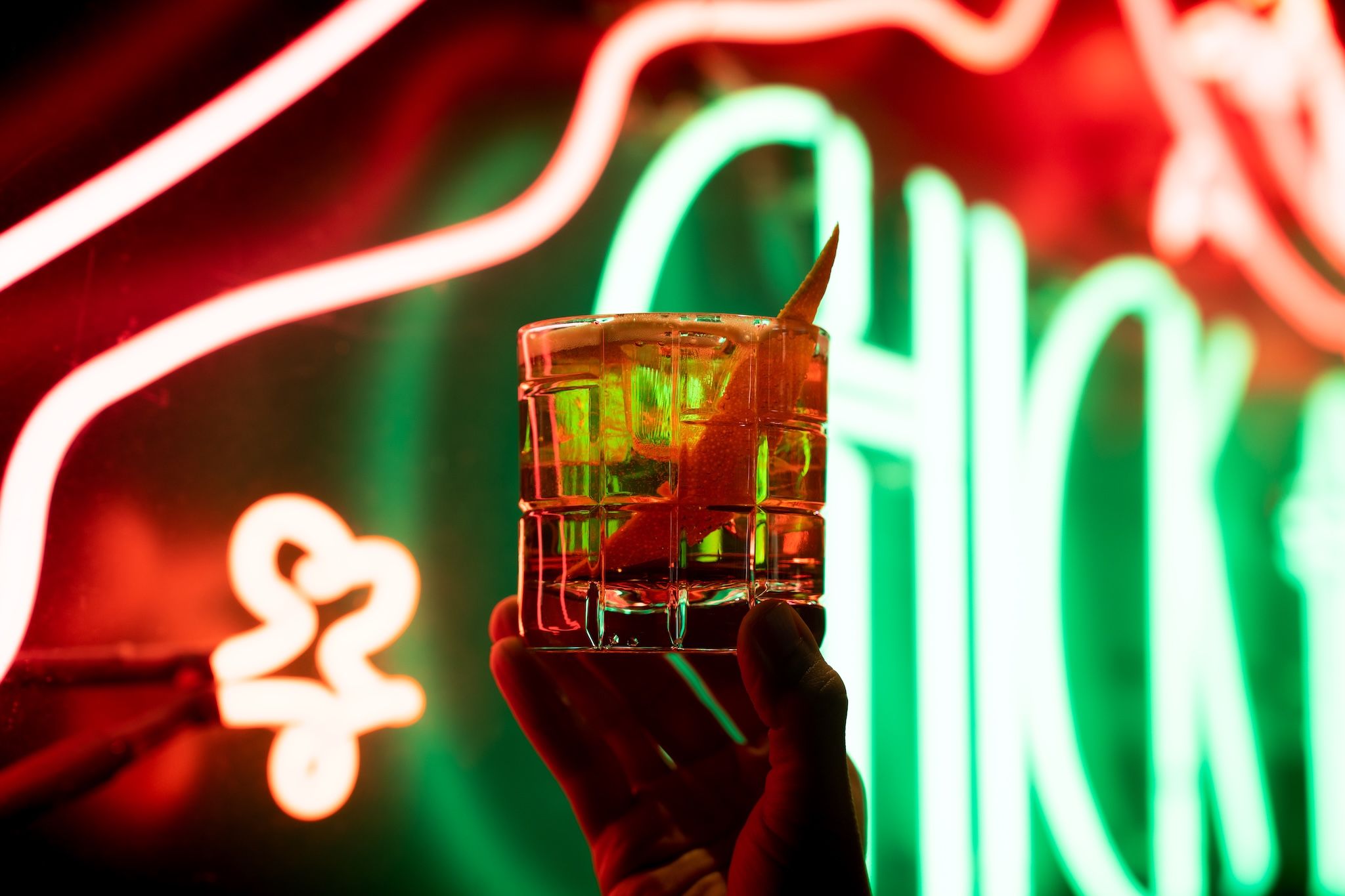
Neighbourhood gathering places survive by accumulating physical memory, building continuity through routine patrons, familiar surfaces and localized purpose. When a district built on communal solidarity turns into an episodic destination for imported hospitality concepts, that historic stability shifts into performance. The arrival of Montreal venue El Pequeño for a collaborative exhibition against The Chickadee Room in Vancouver’s Chinatown illustrates how modern beverage entertainment increasingly repurposes regional space as transient stagecraft. Such collaborations promise vitality, yet they also pose fundamental questions about whose cultural heritage is being foregrounded and whose presence is rendered invisible.
This gathering marks six years of operations for The Chickadee Room, staging a baseball-style cocktail competition across three innings where visiting bartenders Benjamin Poirier-Chartrand and Marc Lefrançois square off against a local team led by Beverage Director Alex Tognassi. Justin Tisdall, who established the enterprise alongside partners Bryan Satterford and Cord Jarvie of Juke Fried Chicken, framed the activation around mutual affection for sports and communal diversion.
"Our team loves baseball and for The Chickadee Room’s sixth birthday celebration this year, we wanted to add a little friendly competition,"
Behind such lighthearted recreation lies an unresolved tension between legacy communities and experiential nightlife. Vancouver’s Chinatown took shape under decades of exclusionary settlement pressures, evolving inward-facing mutual aid networks, family associations, clan halls and dry goods merchants who anchored daily life through institutional hostility. That spatial enclave provided protection precisely because its commercial fabric served the immediate needs of residents rather than outside spectators. Commercial reinventions over the past decade have altered this relationship, introducing cocktail lounges and contemporary dining rooms into spaces vacated by vanishing traditional trades, promising to reanimate street traffic while subtly renegotiating the quarter's social contract.
The Economics of Ephemeral Hospitality
Curated hospitality pop-ups operate on urgency and novelty rather than long-term civic integration. Bringing in outside staff from Montreal turns evening service into a competitive match where attendees cast votes to record runs, transposing the organic warmth of an everyday gathering place into structured, gamified consumption. While such concepts generate acute interest and full rooms, they extract cultural cachet from an enclave without necessarily replenishing the daily commercial ecosystem that allows traditional grocers, herbalists or long-standing residents to remain. Ephemeral spectacles attract patrons who arrive for a specific event and depart immediately afterward, leaving little enduring support for adjacent generational businesses.
Defenders of modern beverage programming reasonably point out that vacant storefronts and declining foot traffic inflict far worse damage on urban cores than lively bars. An active room paying commercial lease rates prevents total vacancy, bringing disposable income past heritage facades and keeping doors open when public authorities offer limited direct revitalization aid. Operators in expensive Pacific coastal cities face unrelenting economic pressures, where survival requires constant conceptual reinvention to absorb rising overheads. From a purely operational standpoint, collaborative events draw vital consumer attention in an increasingly volatile hospitality economy.
Preservation and Replacement in Historic Quarters
Yet this economic calculation reflects a broader pattern visible across historic trading districts bordering the Pacific Rim. In maritime ports where nineteenth- and twentieth-century migration carved out concentrated merchant settlements, stylish hospitality venues frequently arrive under the banner of neighbourhood activation, only to gradually reshape local commercial expectations. What begins as complementary foot traffic often matures into landlord demands for higher rents that legacy retail cannot match. Traditional operations, reliant on small margins and regular community customers, slowly give way to polished spaces tailored to affluent, transient consumers.
Commercial vitality achieved through imported spectacle leaves foundational community bonds largely unserved. When a Chinatown room prioritizes itinerant novelties, it accelerates a quiet substitution: functional community continuity yields to lifestyle tourism, and enduring public fabric turns into an aesthetic backdrop. Neighbourhood resilience is never preserved by temporary matches scored across three innings; it endures only when physical storefronts remain anchored to the daily realities of the people who inhabited them first.
Sources
Newsletter
Pacific Daily
A curated briefing from Thailand, Asia-Pacific and the world.