Civic Inertia on the Pacific Rim Demands Structural Reform Over Youth Pageantry
Classroom simulations in island polities cannot substitute for institutional franchise when disengagement stems from geographic and generational isolation.
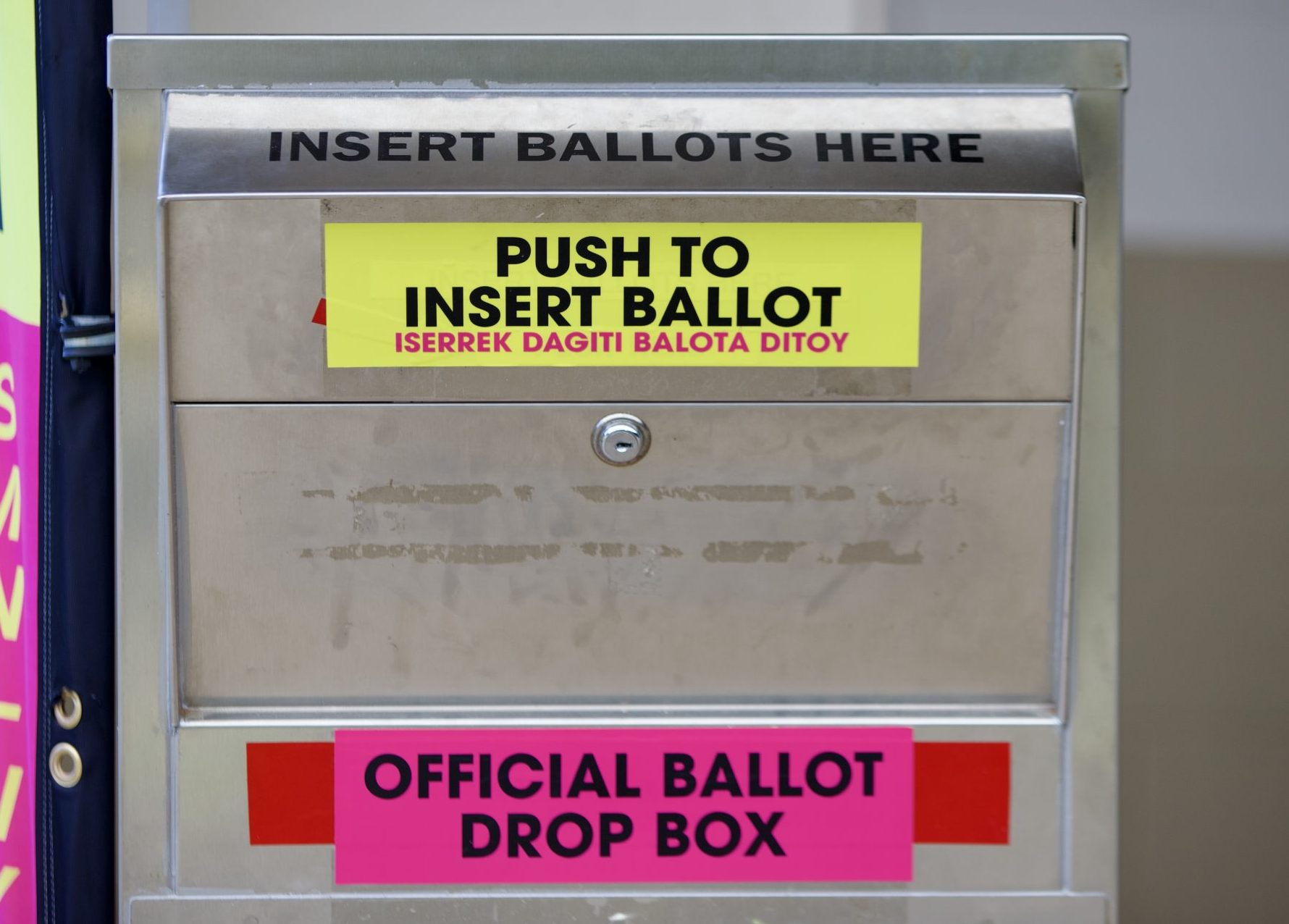
Electoral participation in isolated island communities frequently fractures along the exact line dividing administrative centres from maritime peripheries. While federal capitals calibrate electoral systems to continental populations, island archipelagos inherit governance frameworks that consistently fail to activate their youngest citizens. This tension between institutional machinery and geographic isolation defines modern Pacific civic apathy.
Evidence from the eastern Pacific illustrates the depth of that administrative fracture. In the United States, broad comparative metrics from the Pew Research Center document a national standing that ranks low in civic engagement compared to peer nations. Within that continental federation, Hawaiʻi occupies the lowest recorded rank for voter turnout among all individual states. The persistence of that disengagement reveals how remote island populations gradually decouple from the political processes determined thousands of miles away.
Institutional responses to this chronic deficit have traditionally relied on pedagogical interventions rather than constitutional or logistical redesign. Structured school voting programs, initially traced back to Arizona initiatives in 1988 that later formed Kids Voting USA, seek to counteract this withdrawal by introducing simulated balloting to adolescents before they reach formal voting age. In island classrooms, Kids Voting Hawaiʻi operates on the explicit theory that early exposure to ballots and debates will generate durable civic habits across adulthood.
The Limits of Simulated Balloting
Educational models assume that low turnout reflects an informational or motivational failure within individual voters. Proponents of curriculum-based voting exercises argue that cultivating democratic habits among young students establishes lifelong participatory norms, counteracting pervasive cynicism before secondary education concludes. By demystifying registration, candidate research, and polling mechanics, these interventions aim to remove the psychological friction that suppresses initial youth ballots.
Yet this diagnosis misreads the fundamental economic and structural causes of political alienation along remote coastlines. Young residents in archipelagic regions do not abstain from voting simply because balloting procedures appear unfamiliar. They detach because remote administrative structures systematically insulate legislative power from local Pacific concerns, leaving island youth to shoulder high living costs and infrastructure failures while mainland political debates dominate statutory attention.
Simulating an election inside a classroom does nothing to resolve the institutional distance separating island communities from primary legislative bodies. When electoral outcomes across expansive oceans appear predetermined by continental media markets and concentrated financial centres, high school balloting risks functioning as an empty ritual rather than an instrument of genuine civic power. Teaching adolescents how to mark a paper ballot does not alter the underlying concentration of authority that renders those ballots functionally marginal.
Realigning Pacific Governance
Reversing electoral decline across Pacific-rim territories requires confronting governance structures directly rather than delegating political renewal entirely to primary and secondary schools. Educational programs such as Kids Voting Hawaiʻi may produce localized enthusiasm among participants, but civic literacy cannot offset structural disenfranchisement. A young electorate facing entrenched geographic isolation will eventually recognize when participatory exercises lack material consequence.
The real test for governance along these shared ocean corridors lies in closing the gap between localized Pacific vulnerability and centralized political authority. Until electoral architectures offer island communities substantive leverage over coastal resources, regional planning, and economic strategy, civic engagement initiatives will remain modest defensive measures against a continental political current.
Sources
Newsletter
Pacific Daily
A curated briefing from Thailand, Asia-Pacific and the world.