Celebrity Endorsement and the Mechanics of Modern Diasporic Dining
High-profile patronage exposes the fragile balance between cultural authenticity and commercial scale in Southeast Asian kitchens abroad
SINGAPORE
A dining room operates on physical rhythm and exacting kitchen discipline, yet its commercial equilibrium can be destabilised in an instant by external visibility. When pop performer Bruno Mars concluded his fifth concert engagement at BC Place, his public endorsement of local culinary establishments highlighted an ongoing operational dilemma facing Southeast Asian dining rooms abroad. The mechanics behind preparing regional dishes such as Bun Bo Hue or balancing traditional preparations like Chili Fish demand precise culinary craft, patience, and repetitive manual control. Yet, the sudden arrival of arena-scale celebrity attention creates an entirely different set of commercial pressures that kitchen stoves cannot easily absorb.
During his time in Vancouver, accompanied by municipal SkyTrain transit announcements and branded commercial pop-up retail, Mars highlighted his excursions through the local food landscape. The singer spoke directly from the stage regarding his time exploring metropolitan streets and tasting local menus:
We also had the privilege to walk around this city, to meet new people, and to try new cuisine, and we love it down here. If y’all don’t mind, we would love to come back and sing for you all again.
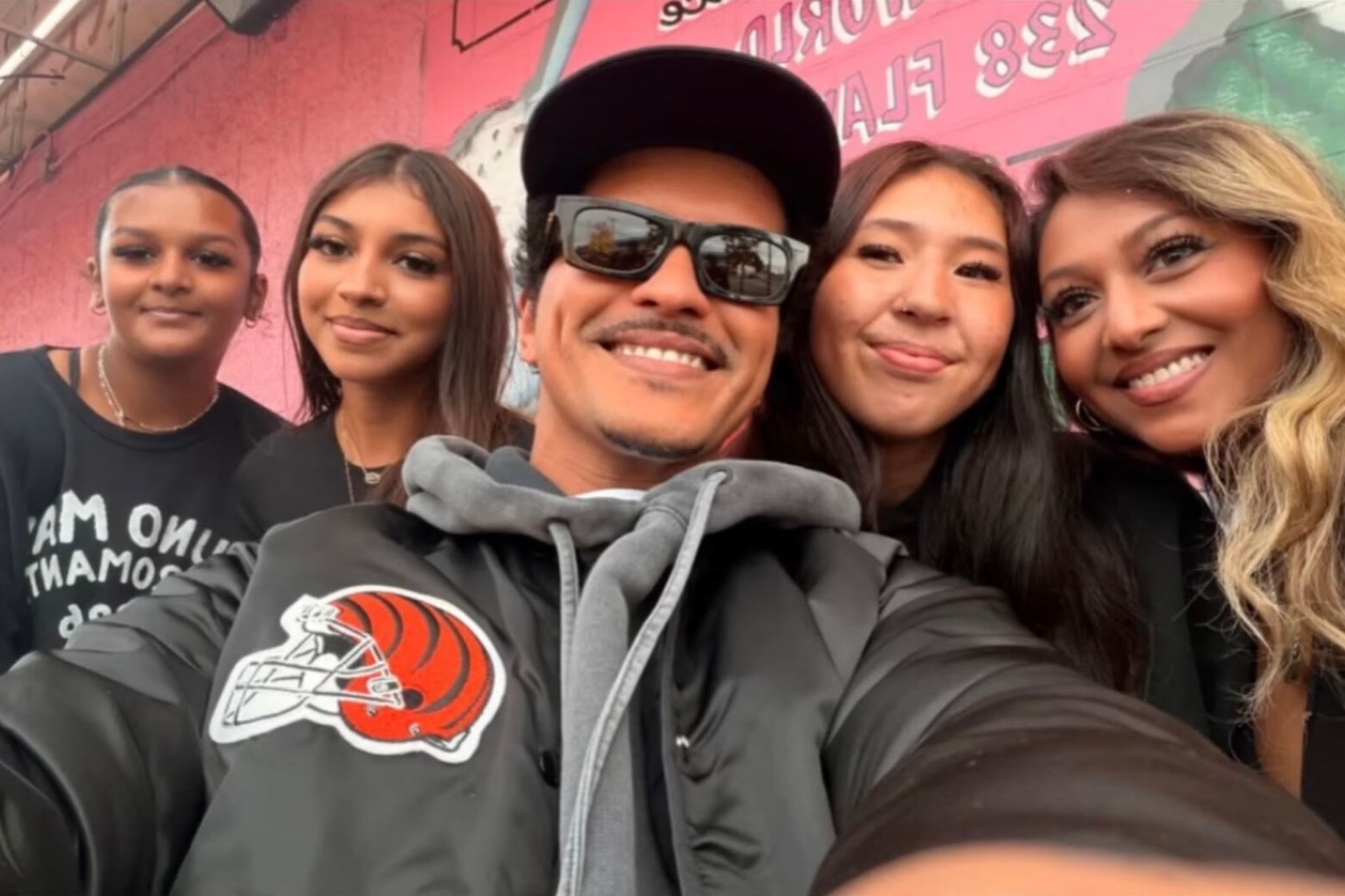
Among the documented stops was Anh and Chi, an independent Vietnamese operation directed by Amelie Nguyen and Vincent Nguyen. The establishment gained immediate prominence through social media channels documenting the singer's repeat visits during his stay. For an independent restaurant founded on heritage recipes, this variety of external exposure provides an undeniable marketing surge. It also introduces sharp tensions between craft preservation and sudden volume. The culinary discipline required to sustain complex preparations rarely expands on demand without compromising the foundation of the menu.
The Real Cost of Viral Patronage
Independent Southeast Asian dining rooms in diaspora centres generally depend on repeat neighbourhood clientele and steady table turns. Broth production for dishes such as Bun Bo Hue requires hours of simmering, temperature management, and careful extraction of collagen and aromatics. That kitchen cadence is calibrated to predictable service volume and finite prep space. When international celebrity culture directs hundreds of prospective patrons to a dining room overnight, kitchen teams confront difficult operational choices. Expanding service runs the risk of diluting broth quality, overextending front-of-house staff, and pricing out the very community that sustained the business before viral notice arrived. Rushing a simmered stock or substituting batch prep undermines the very standard that earned reputational value in the first place.
Advocates of high-profile culinary visibility argue that public attention provides immigrant culinary traditions with commercial stability, granting immigrant proprietors the economic margins they have historically been denied. According to this view, wider recognition offers dignity and financial resilience to restaurateurs who have spent decades perfecting regional profiles. Increased foot traffic can provide capital that allows founders like Amelie Nguyen and Vincent Nguyen to secure better ingredients, invest in staff retention, and expand their enterprise on their own terms. Strong revenue cushions independent operators against rising utility bills and fluctuating ingredient costs in competitive urban markets.
Cultural Value Versus Scale
That optimism overlooks the structural precarity inherent in celebrity-driven food consumption. Celebrity visits are fleeting transactions; the consumer interest they generate rarely translates into loyal, long-term patronage once public attention shifts to the next venue. Furthermore, commercial windfalls often accelerate gentrification pressures, driving lease renewals upward across urban dining corridors and pricing out small culinary producers who lack equivalent public profiles. A sudden rush of novelty seekers can disrupt the delicate social compact between a neighbourhood kitchen and its regular patrons, who often find themselves displaced by queues.
When global pop culture intersects with local heritage food, the true test of a restaurant lies not in accommodating an influx of tourists, but in preserving kitchen technique once the entourage moves on. Sustaining a dining room demands consistent heat, seasoned hands, and respect for culinary craft across every service shift. The enduring value of Vietnamese culinary traditions abroad rests in everyday execution rather than celebrity verification.
Sources
Newsletter
Pacific Daily
A curated briefing from Thailand, Asia-Pacific and the world.