Apple's HomeView: The Discreet Control of Everyday Life
Apple’s new US$299 HomeView hub promises smart home control, but its focus on discreet AI and face recognition suggests a shift in how we might interact with our living spaces.
SINGAPORE
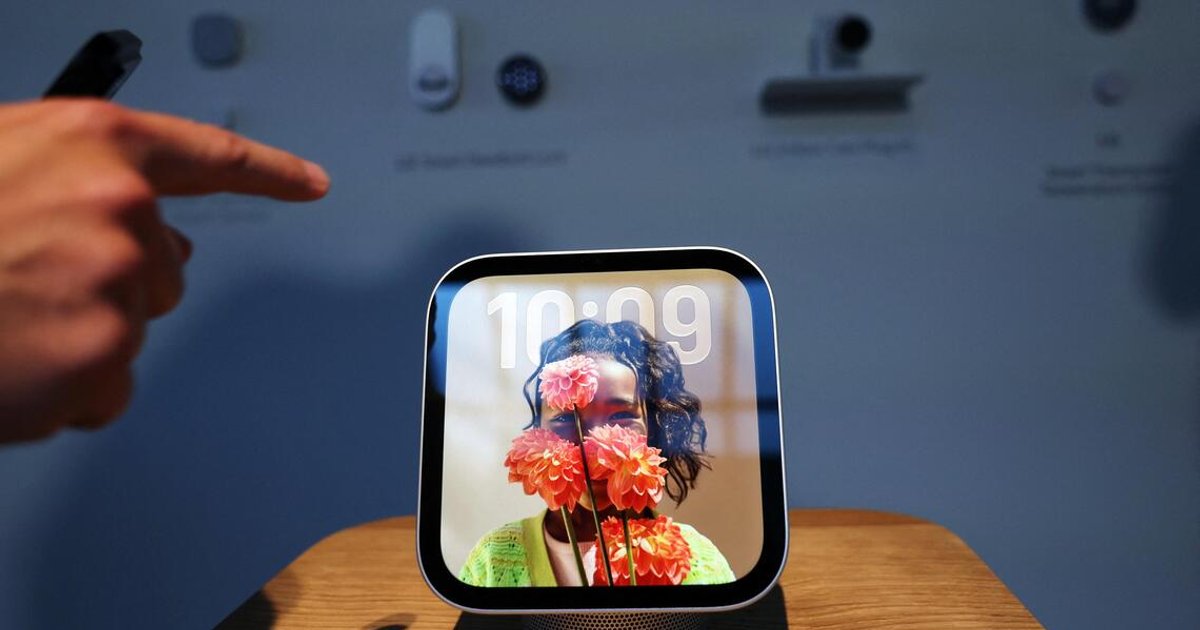
A front door, whether in Bangkok or beyond, marks a threshold where public life ends and private life begins. Apple's new HomeView hub, launched on October 13, 2026, proposes to manage this boundary with a 7-inch screen and AI-upgraded Siri, for US$299. It aims to integrate domestic functions, from doorbells to smart locks and thermostats, into a single device. This move by Apple, which notably shifted some Mac Mini production to Houston from Asia in February 2026, signals a renewed effort to establish a stronger foothold in smart home hardware, a sector where its presence has been limited.
The HomeView’s focus extends beyond simple automation. With face recognition capabilities, the device introduces a layer of personalised interaction, moving from generic voice commands to specific recognition. This shift suggests a more ambient form of technology, where devices anticipate needs rather than simply respond to direct requests. Yet, this integration also raises questions about the changing nature of household control. The company claims HomeView will help users manage their homes, but the device’s discreet nature, with a screen integrated into the home environment, might subtly alter how residents perceive their own agency within their private spaces. The HomeView launch was also accompanied by updates to Apple’s HomePod smart speaker and Apple TV devices, signaling a broader strategy for connected living.
While rivals like Amazon and Google have offered smart home solutions for years, Apple’s entry with HomeView emphasizes a particular blend of control and convenience. The device’s reliance on AI-powered Siri and face recognition could mean a further erosion of distinct, deliberate interactions with technology. Instead of explicitly asking a device, the device might act upon recognizing an individual, making technological intervention less an event and more a background hum. This continuous, low-level integration has implications for privacy, particularly in the context of face recognition, an element not universally embraced. For example, EU rules currently block HomeView sales there, citing Siri AI availability issues, suggesting differing regulatory environments and societal comfort levels with such technology.
Despite the proposed convenience, the market reception for such devices in Asia-Pacific remains to be seen. Apple’s market share in smartphones across the region varied by country in Q2 2026, illustrating a diverse consumer landscape. The HomeView could appeal to urban populations in advanced economies seeking seamless home management, but its cultural implications might differ. The subtle introduction of persistent AI and face recognition into the home may shift the cultural perception of privacy and personal space, changing how individuals relate to their dwellings. The question is not simply whether the technology works, but how its quiet omnipresence reshapes everyday habits, unnoticed at first, until the home environment itself feels different. How homes transform under this quiet observation remains an open question.
Sources
Newsletter
Pacific Daily
A curated briefing from Thailand, Asia-Pacific and the world.