Apia Pauses Wellington on the Treaty Table
Samoa's refusal to renegotiate its 1962 accord before New Zealand votes exposes the limits of metropolitan diplomacy across the Pacific.
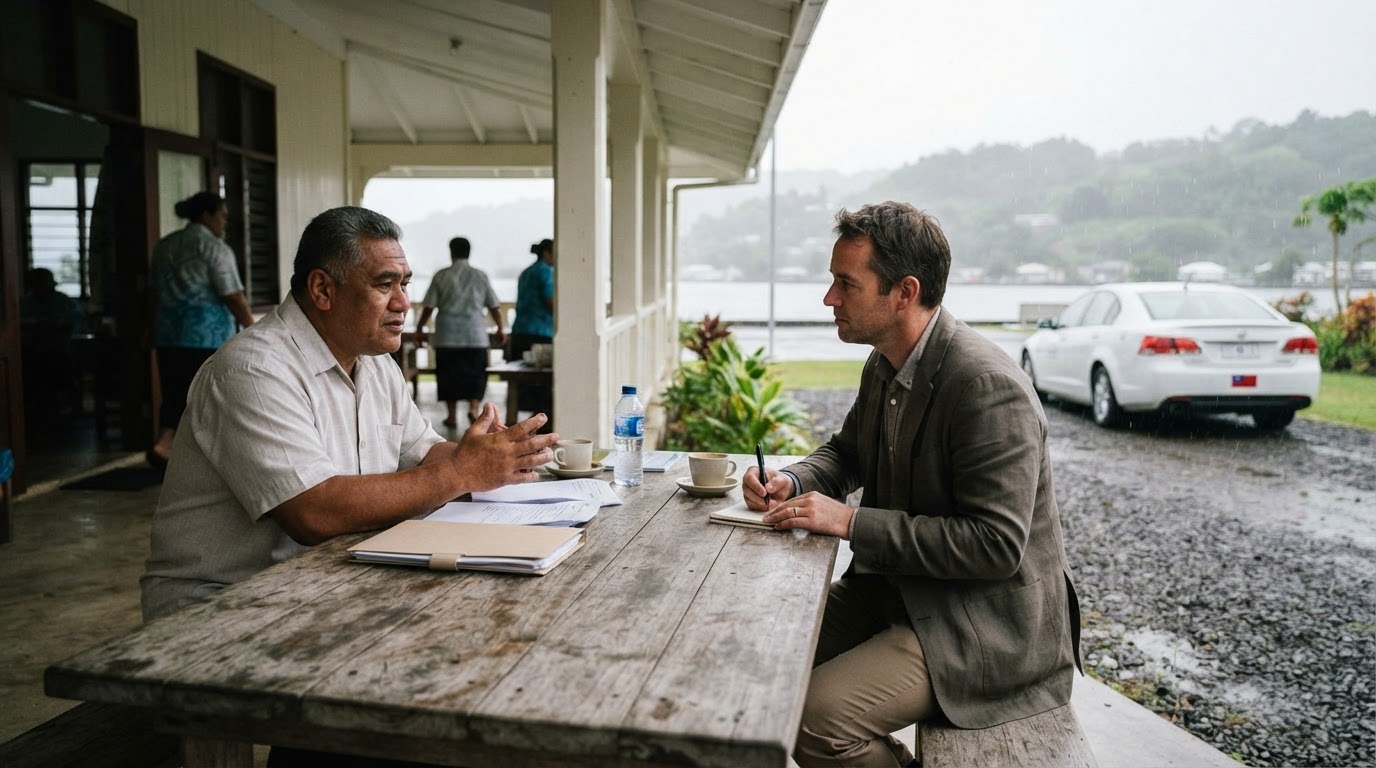
Bilateral treaties between metropolitan capitals and Pacific island nations have traditionally moved according to the administrative rhythms of the larger partner. That procedural expectation met a firm boundary when Samoan Prime Minister La'aulialemalietoa Leuatea Schmidt halted negotiations over an updated bilateral framework with New Zealand, declining a direct request from Prime Minister Christopher Luxon to advance the discussions.
Luxon sought to push forward with a revision of the relationship. Apia answered with an explicit refusal: talks regarding the historic accord must remain on hold until voters in New Zealand conclude their general election. By conditioning bilateral legal negotiations on Wellington's electoral calendar, the Samoan leadership demonstrated that diplomatic permanence takes precedence over an incumbent government's legislative schedule.
This diplomatic friction centres on the Treaty of Friendship, signed in 1962. Decades of mutual obligations, consular channels, and migration discussions have rested upon that foundational text. Schmidt disclosed his position during a gathering in Apia alongside Anae Arthur Anae, an Aotearoa community leader organizing a campaign for visa-on-arrival entry and broader immigration reform for Samoans and Pacific Islanders, as reported by the Samoa Observer.
Sovereign Timing Against Metropolitan Pressure
Metropolitan governments routinely attempt to lock in strategic agreements before facing domestic ballots. Luxon's ambition to proceed with revising the bilateral text reflects a familiar impulse to secure regional foreign policy outcomes during an active mandate. Entering deep bilateral revisions with an administration that could soon depart carries structural liability for Apia. Small maritime states absorb disproportionate governance costs whenever successor governments reopen or abandon commitments negotiated by predecessors.
When domestic elections alter parliamentary majorities, bilateral pacts negotiated in haste risk immediate institutional neglect.
Counterarguments from Wellington suggest that prolonged delays stall necessary modernisations of archaic provisions. Postponing talks forfeits institutional momentum, especially on pressing issues of mobility, cross-border commerce, and administrative cooperation. Leaving the 1962 framework static while waiting for a future parliament risks freezing critical policy adjustments in prolonged diplomatic limbo.
Yet the strategic logic from Apia remains disciplined. Schmidt recognized that entering binding legal revisions requires an enduring counterpart rather than a transitional political cabinet. Signing an altered pact with an outgoing or contested administration exposes island governments to post-electoral friction, especially when domestic debates in New Zealand over immigration and Pacific mobility remain politically sensitive.
Mobility Demands and Regional Leverage
Linking treaty deliberations to community campaigns led by advocates like Anae underlines a wider transformation across the region. Pacific leadership no longer views historic bilateral accords as ceremonial heirlooms or purely defensive shields. Communities expect tangible rights, particularly around movement, residency, and immigration parity across Aotearoa.
Island states across the region increasingly leverage their sovereign authority by exercising procedural denial. Declining to negotiate on metropolitan timelines signals that regional partnership requires structural patience rather than dictated momentum. The leverage once held almost entirely by aid-distributing metropolitan capitals faces recalibration as Pacific governments assert control over the pacing of their formal treaties.
This deliberate pause leaves fundamental legal and demographic arrangements unresolved. New Zealand must reconcile its regional strategic priorities with domestic electoral vulnerability, while Samoa balances urgent community demands for unrestricted mobility against the hazard of negotiating with an uncertain partner. The unresolved friction rests between metropolitan administrative impatience and the calculated endurance of Pacific statecraft.
Sources
Newsletter
Pacific Daily
A curated briefing from Thailand, Asia-Pacific and the world.