The Thin Margin of European Points
Inter Milan and Juventus secure critical autumn victories, but late execution and tactical pressure expose deeper structural strains.
SINGAPORE
On October 25, 2026, Serie A delivered two separate fixtures defined by acute competitive necessity rather than tactical comfort. In Milan, Inter Milan required a late finish against Fiorentina at San Siro to keep pace with Lazio, building on an opening conversion from Marcus Thuram. Further south, at Stadio Via del mare, Juventus secured a required victory over Lecce, led by an early goal from Weston McKennie that directly eased mounting operational pressure on coach Luciano Spalletti.
Elite sports operations function through severe structural compounding. Every dropped fixture alters managerial security, squad leverage, and the internal balance of competitive objectives. For Juventus, traveling to Lecce represented an operational test where anything short of a decisive outcome would have magnified institutional strain. Spalletti entered Stadio Via del mare under visible scrutiny, navigating an environment where executive patience contracts rapidly with every faltering result. McKennie scoring the initial goal generated immediate tactical relief, yet relying on individual efficiency against Lecce demonstrates that Juventus remains caught in a transitional rhythm.
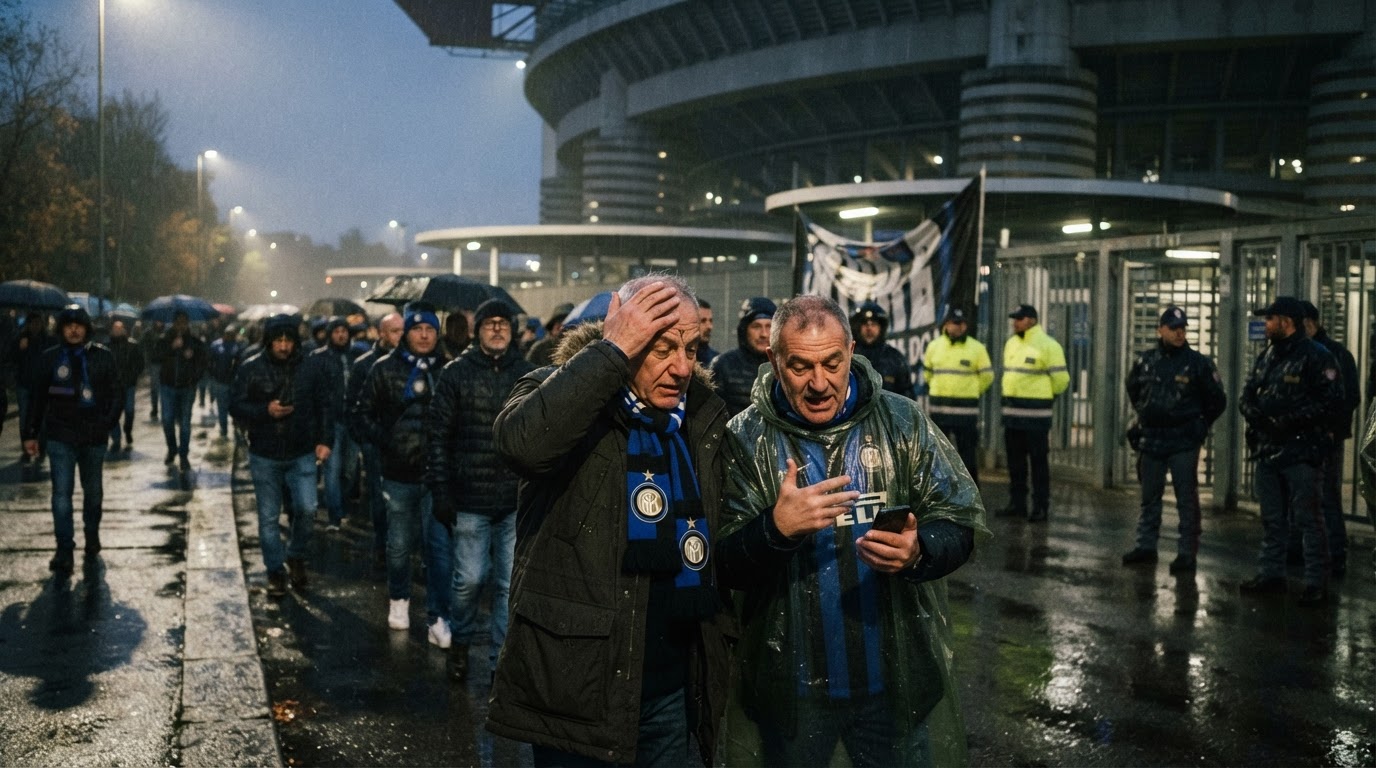
At San Siro, Inter Milan operated under an equivalent constraint. Chasing Lazio across demanding competitive fixtures establishes an unforgiving benchmark. Thuram provided the early breakthrough against Fiorentina, establishing a foundation that Inter struggled to protect without extreme physical exertion. Having to strike late to preserve their competitive position highlights the steep cost of maintaining parity in an exacting domestic championship.
The Calculus of Autumn Points
Points collected during late October rarely decide a league championship, but they invariably define managerial continuity and strategic focus. Juventus required a victory in Lecce primarily to stabilize boardroom confidence. Spalletti reacting from the touchline reflected how immediate survival takes precedence over broad tactical experimentation. While McKennie provided the critical execution on the pitch, the performance itself revealed persistent friction between defensive stability and attacking cohesion. Winning at Stadio Via del mare satisfies the minimum performance mandate, but it leaves fundamental questions regarding sustained squad output largely unanswered.
Inter Milan faced a distinct structural dilemma against Fiorentina. Facing stubborn opposition on home soil exposed how little margin exists when tracking a front-runner like Lazio. Thuram scoring early gave Inter structural control, yet Fiorentina absorbed the pressure and forced Inter to expend maximum energy until the closing minutes. The late winner resolved the immediate arithmetic in the competition, but prolonged reliance on dramatic finishes tends to deplete physical resilience over a forty-week campaign.
Structural Strain and Tactical Limits
The immediate relief of three points cannot conceal the structural strain required to maintain pace in an unforgiving campaign.
Modern football administration measures capital efficiency through match outcomes and the preservation of squad value. When Lazio establishes a relentless operational pace, Inter Milan must match every result or risk premature detachment from the title race. That structural dynamic forces coaches to field primary starters continuously, limiting recovery windows and increasing vulnerability to mid-season fatigue. For Fiorentina and Lecce, pushing established giants to their tactical limits confirms that mid-table preparation continues to close traditional technical gaps.
Neither victory on October 25, 2026, eliminated systemic vulnerability. Juventus secured brief stability, but Spalletti operates under persistent constraints where consecutive positive results remain an absolute prerequisite. Inter preserved vital ground behind Lazio, yet repeated late escapes reveal an operational expenditure that cannot be sustained indefinitely. The competitive trajectory of this campaign now depends on which technical structure breaks first under the cumulative weight of weekly demands.
Sources
Newsletter
Pacific Daily
A curated briefing from Thailand, Asia-Pacific and the world.