Aden Palace Strike Exposes the Fractured Deterrence Guarding Gulf Energy Corridors
Houthi missile strikes on Yemeni command centres and Saudi facilities alter risk calculations for Asia-Pacific energy security.
SINGAPORE
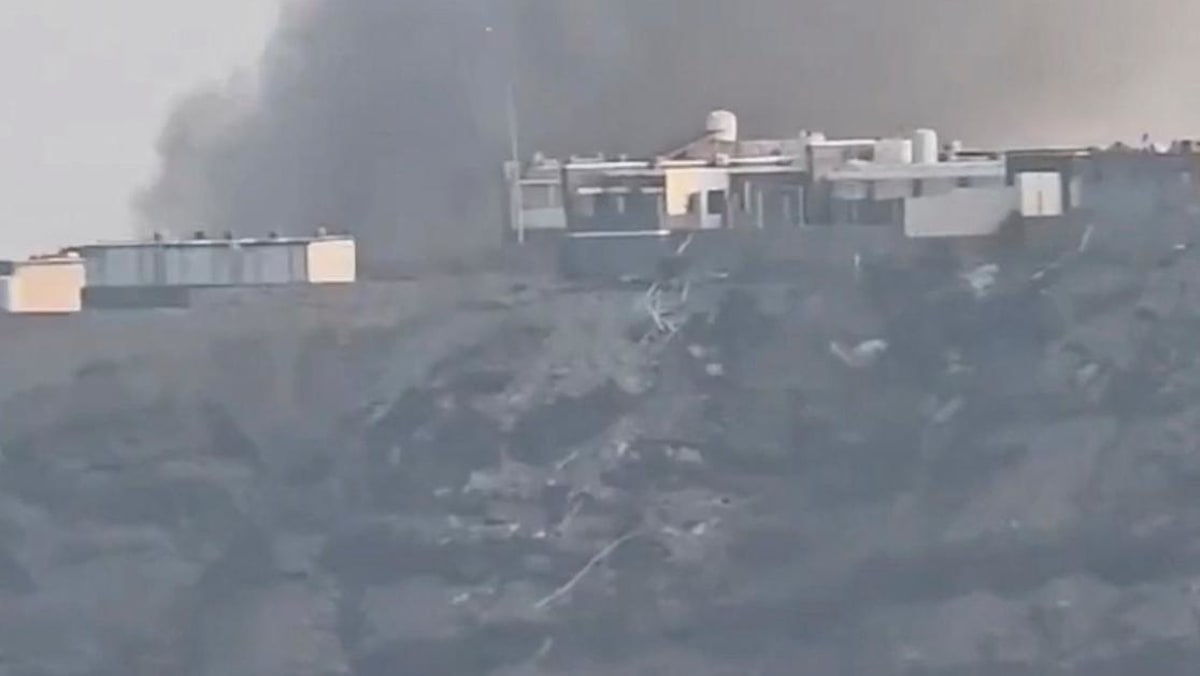
Missile strikes on the presidential palace in Aden on Thursday, Oct 15, 2026, killed at least four people and injured 10, marking a deliberate escalation against the administrative seat of Yemen's government. Government officials reported smoke billowing from the compound after strikes hit command centres utilised by Yemeni state forces and the Saudi-led military coalition. Coming shortly after an Oct 10 strike on a Saudi airport that killed 12, a second strike on Riyadh airport, and an Oct 14 strike on an Aramco building, the Aden operation indicates that existing regional deterrence mechanisms struggle to insulate critical administrative and transport nodes from direct disruption.
Saudi Arabia blamed Iran for the recent surge in attacks across the theatre. While that attribution underscores the enduring regional friction behind the fighting, the broader economic exposure extends beyond immediate diplomatic exchanges. The tactical pattern suggests that when government compounds, fuel depots, and transport installations are struck in rapid succession, the security cordon shielding regional trade infrastructure faces acute strain.
Shifting Costs for Asian Importers
For major economies across the Asia-Pacific, including China, Middle East maritime stability represents a structural commercial requirement rather than an abstract diplomatic priority. Commercial cargo and energy shipments transiting Yemen's Red Sea corridors rely heavily on predictable operating conditions. When projectile attacks reach fortified political quarters in Aden alongside commercial targets linked to Aramco, insurers and freight operators face substantial pressure to recalibrate maritime risk premiums.
Financial markets typically reprice logistical friction well before conflict boundaries solidify. Elevated security threats along Gulf transit routes correlate with rising freight rates, rerouted vessels, and higher import bills across Asian manufacturing hubs. Each breach of command installations in Yemen's interim capital weakens the immediate administrative framework upon which safe coastal navigation depends. To the extent that Asian manufacturing networks rely on uninterrupted flows of imported oil and industrial materials, persistent volatility across Middle East shipping arteries threatens to erode downstream corporate margins.
The Limits of Retaliatory Deterrence
One counterargument holds that the Aden strike reflects domestic political competition rather than a structural threat to international commerce. Command facilities within the palace compound house Yemeni and coalition military officers, suggesting that Houthi operational priorities may be confined to securing domestic bargaining leverage. Viewed from this perspective, strikes on internal administrative targets do not necessarily foreshadow a sustained blockade of export routes.
Successive strikes against administrative and industrial sites indicate that retaliatory military actions have struggled to alter the strategic calculus of regional combatants.
Yet this domestic interpretation overlooks the operational continuity demonstrated across October 2026. The Aden palace strike took place alongside operations directed at an Aramco building and aviation facilities within Saudi Arabia. When combatants deploy matching missile capabilities against administrative, commercial, and transport targets within the span of days, the functional separation between internal political conflict and cross-border commercial disruption narrows significantly. A prior coalition strike on a Yemen fuel depot did not halt Houthi launches; subsequent salvos targeted government headquarters and industrial property.
Neither diplomatic rebukes directed at Iran nor retaliatory strikes by the Saudi-led coalition have eliminated the operational capacity of Houthi forces. Defensive systems coordinated by regional authorities and partners such as the United States face persistent challenges against low-cost precision missiles aimed at strategic installations. Until defensive measures can reliably suppress missile strikes against interim government centres and commercial infrastructure, Asian supply chain planners must manage Middle East logistical instability as an active operational constraint.
Sources
Newsletter
Pacific Daily
A curated briefing from Thailand, Asia-Pacific and the world.