Why Centralized Hotel Strategies Falter Along Regional Coastlines
Generic dining promotions designed in administrative hubs transfer logistical strain onto peripheral hospitality venues across the Asia-Pacific.
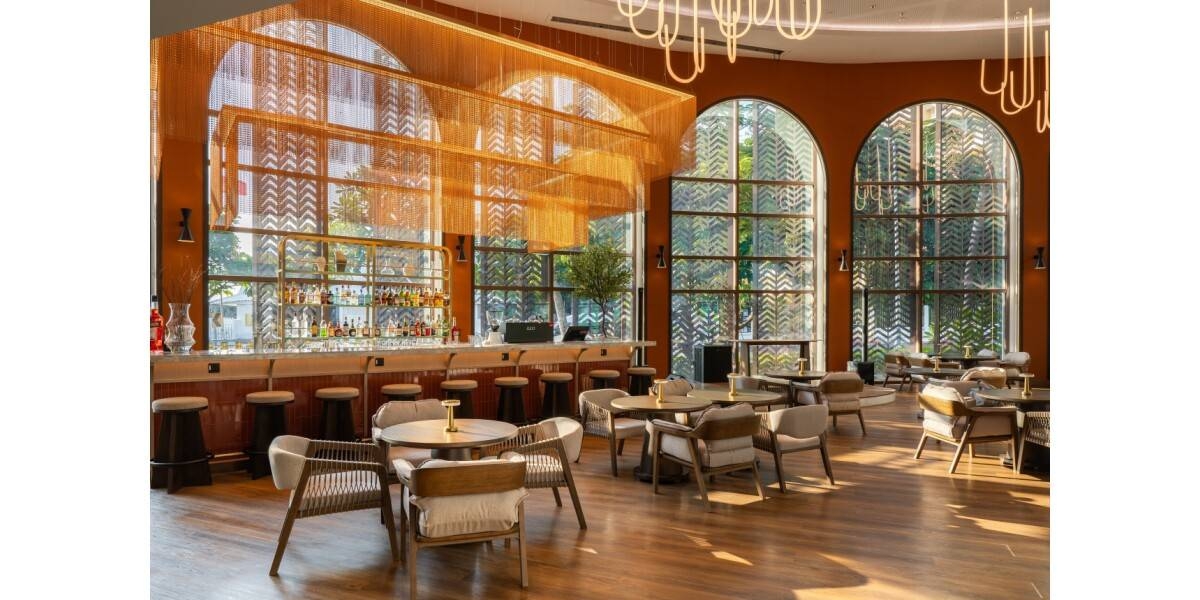
SINGAPORE
Inland corporate suites design universal hospitality campaigns, yet regional dining rooms absorb the physical friction of delivering them across fragmented geographies. Historically, centralized hotel groups in the Asia-Pacific anchored food and beverage operations to formal institutional banquets and business traveler accounts. That historical buffer insulated properties against local volatility by securing forward contract bookings. Recent shifts in regional travel patterns have eroded those predictable accounts, prodding corporate managers toward local consumer dining. A campaign catalogued on 20261020 reflects this repositioning. At 54500, records show ONYX Dining announced a promotional push inviting guests to discover dining experiences for every occasion with the people who matter.
The corporate messaging frames commercial food service around domestic companionship rather than corporate contracts. From a strategic perspective, widening consumer access serves as an understandable hedging mechanism. Diversifying dining revenue beyond overseas business bookings helps corporate operators cushion room-occupancy downturns. An analysis of hotel operating structures, however, reveals immediate friction between centralized brand mandates and peripheral supply chains. A promotional decree issued from an administrative center assumes uniform capacity, whereas individual properties face localized overheads in transport, kitchen labor, and perishable provisions.
Supply Geographies and Margin Pressures
Hospitality portfolios in the Asia-Pacific do not operate across an undifferentiated terrain. When ONYX Dining invites diners to assemble for every occasion, the corporate initiative treats distinct provincial and coastal destinations as interchangeable market nodes. In practice, supplying full-service dining outside metropolitan cores entails substantial distribution costs. Perishable goods must traverse maritime and overland corridors where freight reliability fluctuates. Corporate brand standards enforce strict quality baselines across every venue, but regional suppliers face volatile input pricing. The operational result is an uneven cost burden, where peripheral coastal and secondary properties shoulder higher procurement friction to maintain centralized pricing templates.
The Persistent Center-Periphery Divide
Centralized brand campaigns treat diverse provincial dining rooms as uniform retail assets, but regional properties absorb disparate freight and staffing costs to maintain corporate baselines.
Proponents of broad dining portfolios argue that consumer flexibility offsets these localized distribution costs. In theory, courting everyday domestic gatherings raises table turn rates across off-peak dayparts, thereby lifting total gross receipts. That operational thesis functions effectively in primary urban centers with deep domestic foot traffic and condensed logistics. Yet in peripheral and secondary destinations across the Asia-Pacific, high fixed baseloads constrain the viability of casual dining conversions. Kitchen staffing rosters and utility requirements cannot scale downward easily to accommodate lower-margin family meals without squeezing operating margins.
The structural tension between inland corporate strategy and regional execution remains evident. By treating private life as a single market segment, multi-property portfolios attempt to resolve systemic occupancy shifts through retail volume. That commercial calculation transfers financial execution risk directly down to property-level kitchen managers and local procurement staff. When centralized marketing teams substitute universal relationship language for distinct culinary positioning, the operational reality of managing regional inventories is obscured rather than resolved.
This strategy exposes a fundamental geographic constraint in regional hospitality. A corporate portfolio can distribute centralized invitations across the Asia-Pacific, but it cannot standardize the real cost of food transport and municipal staffing across varied coastlines. Until corporate hospitality models reconcile centralized marketing claims with the physical geography of regional supply chains, the operational gap between metropolitan brand planning and localized dining margins will remain unresolved.
Sources
Newsletter
Pacific Daily
A curated briefing from Thailand, Asia-Pacific and the world.