Informal Capital and the Fragility of Ritual Security
The theft of celebratory cash at Raffles Hotel exposes how traditional hospitality protocols struggle against routine opportunism
SINGAPORE
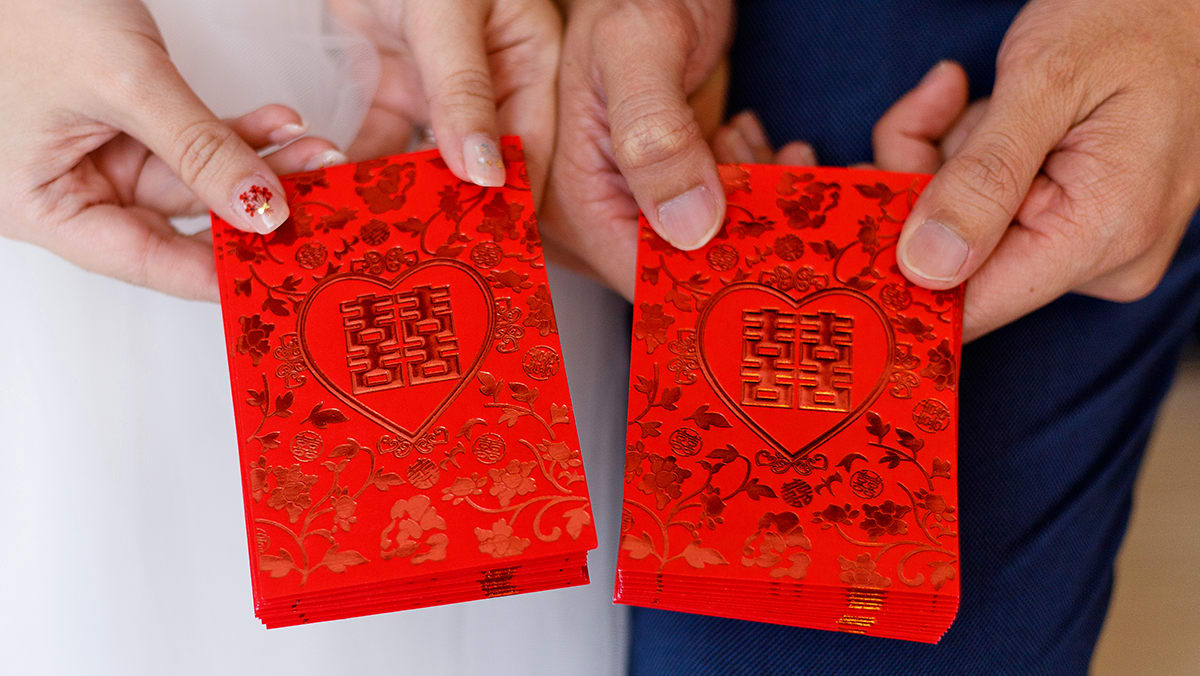
Private social rituals across Asian financial centres continue to rely on unmonitored physical trust to manage liquid capital. In high-end venues where surveillance architecture and access controls are otherwise standard, ceremonial exchanges remain intentionally informal. That operational discrepancy was highlighted when authorities charged thirty-eight-year-old Lee Yi Wei on Tuesday, Oct 20, 2026, with allegedly stealing a collection box containing red packets from a wedding reception at the Palm Ballroom inside Raffles Hotel. The container held approximately S$1,500 in cash gifts destined for the newlyweds.
The incident is not an isolated breach of ballroom decorum. In June 2025, judicial proceedings concluded against another man who stole wedding money boxes containing almost $50,000 before gambling away the majority of the proceeds. What links these episodes is neither a sophisticated criminal network nor an institutional breakdown of private security, but rather the persistence of an ancient transactional habit operating within modern hospitality spaces. The red packet tradition functions as a reciprocal credit mechanism among families and social networks, yet its management on site rarely incorporates formal custody chains.
The Friction Between Trust and Scale
Commercial ballrooms in Singapore present an acute operational tension between institutional polish and domestic customs. Families deliberately resist imposing overt asset-protection measures, such as digital transfers or guarded lockboxes, because doing so alters the ceremonial meaning of the gathering. The exchange of physical cash signifies personal goodwill precisely because it is unencumbered by bureaucratic verification. However, that calculated absence of security creates a predictable structural exposure in public hospitality properties.
Physical cash gifts persist as a reciprocal credit mechanism, yet their physical handling relies on social trust rather than formal custody.
Hotel operations routinely defer to client preferences on the perimeter of private functions. Venue management supplies the architectural enclosure, while reception tables remain staffed by relatives or informal acquaintances whose attention is divided between greeting guests and monitoring envelopes. This informal custody model functions adequately in closed community halls, but it deteriorates inside multi-use luxury hotels where exterior corridors intersect with transient public footfall.
Limits of Legal Deterrence
Legal sanctions provide post-incident accounting rather than prevention. State enforcement swiftly tracks and prosecutes perpetrators through surrounding digital surveillance networks, yet the legal deterrent does not address the window of opportunity created during the event itself. Some observers argue that rising consumer adoption of electronic payment channels will eventually eliminate physical red packet boxes altogether, phasing out the vulnerability through technological displacement.
That reading misunderstands the cultural inertia governing ceremonial capital. Despite the ubiquity of instant digital banking across urban Asia, physical presentation boxes remain central to banquet customs because the tangible handover remains a key ritual marker of familial obligation. Transitioning these ceremonies entirely into digital registries removes the social performance that participants actively seek to maintain.
The exposure identified at the Palm Ballroom demonstrates that hospitality venues and host families face an ongoing procedural impasse. As long as families insist on deploying physical currency within shared commercial properties without institutional security oversight, routine opportunism will continue to exploit the space between symbolic etiquette and municipal reality.
Sources
Newsletter
Pacific Daily
A curated briefing from Thailand, Asia-Pacific and the world.