Why Australia's Gen Z Is Buying Beauty in the Discount Aisle
Budget retailers have turned affordable cosmetics and skincare into a social media phenomenon, testing the premium beauty model.
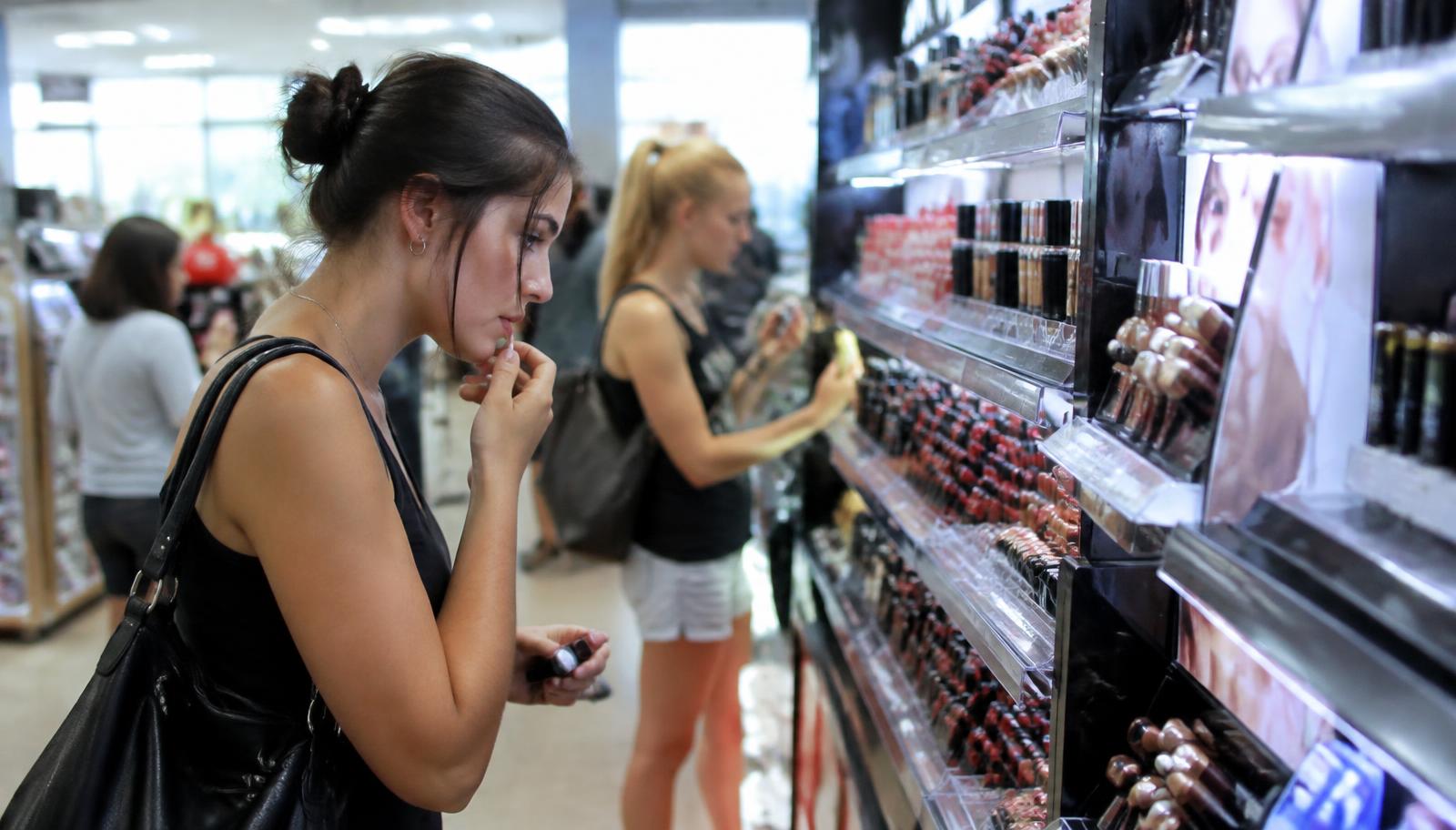
SYDNEY — In a suburban department store, two young shoppers test lip colours under bright lights, filming swatches on their phones. The products cost a fraction of what they would at a luxury counter, and that is exactly the point.
Across Australia, discount retailers have become serious players in beauty. Kmart, long known for homewares and low-cost basics, has drawn attention for affordable cosmetics and skincare ranges that circulate widely on TikTok and Instagram. Shoppers post comparisons with high-end products, and popular items can sell out quickly after a viral video.
Cost of living meets content culture
Two forces explain the trend. The first is economic. Rising rents, grocery prices and interest rates have squeezed household budgets, and younger Australians in particular are looking for small treats that do not break the bank. Beauty has long been considered a resilient category during downturns, but where shoppers spend has shifted.
The second is cultural. Social platforms reward discovery. A low-cost find that performs well makes better content than another premium launch. For many Gen Z consumers, finding a bargain that rivals a luxury product is a source of pride, not compromise.
Pressure on premium
This does not mean prestige beauty is collapsing. Many shoppers mix and match, spending on a few trusted products while buying budget items for experimentation. But the trend forces premium brands to justify their prices more clearly through ingredients, research, packaging and experience.
It also raises questions about claims. Australia's consumer regulator, the ACCC, has repeatedly reminded businesses that advertising claims must be accurate, including comparisons and environmental marketing. As viral content blurs the line between independent review and promotion, clear disclosure of paid partnerships becomes more important.
Beyond the trend
For retailers, beauty brings frequent visits and strong margins on small items. For consumers, it democratises access to products once seen as aspirational. The open question is sustainability: fast-moving ranges and constant novelty can encourage overconsumption and packaging waste.
At the checkout, the two shoppers each carry a small basket. The total is modest. The content they post later that night may sell far more than they bought.
Sources
Newsletter
Pacific Daily
A curated briefing from Thailand, Asia-Pacific and the world.