Japan's Wagyu Squeeze Exposes the Agrarian Limits of Regional Luxury
Record prices driven by shuttered ranches and foreign appetite show how fragile export strategies become when upstream production collapses.
SINGAPORE
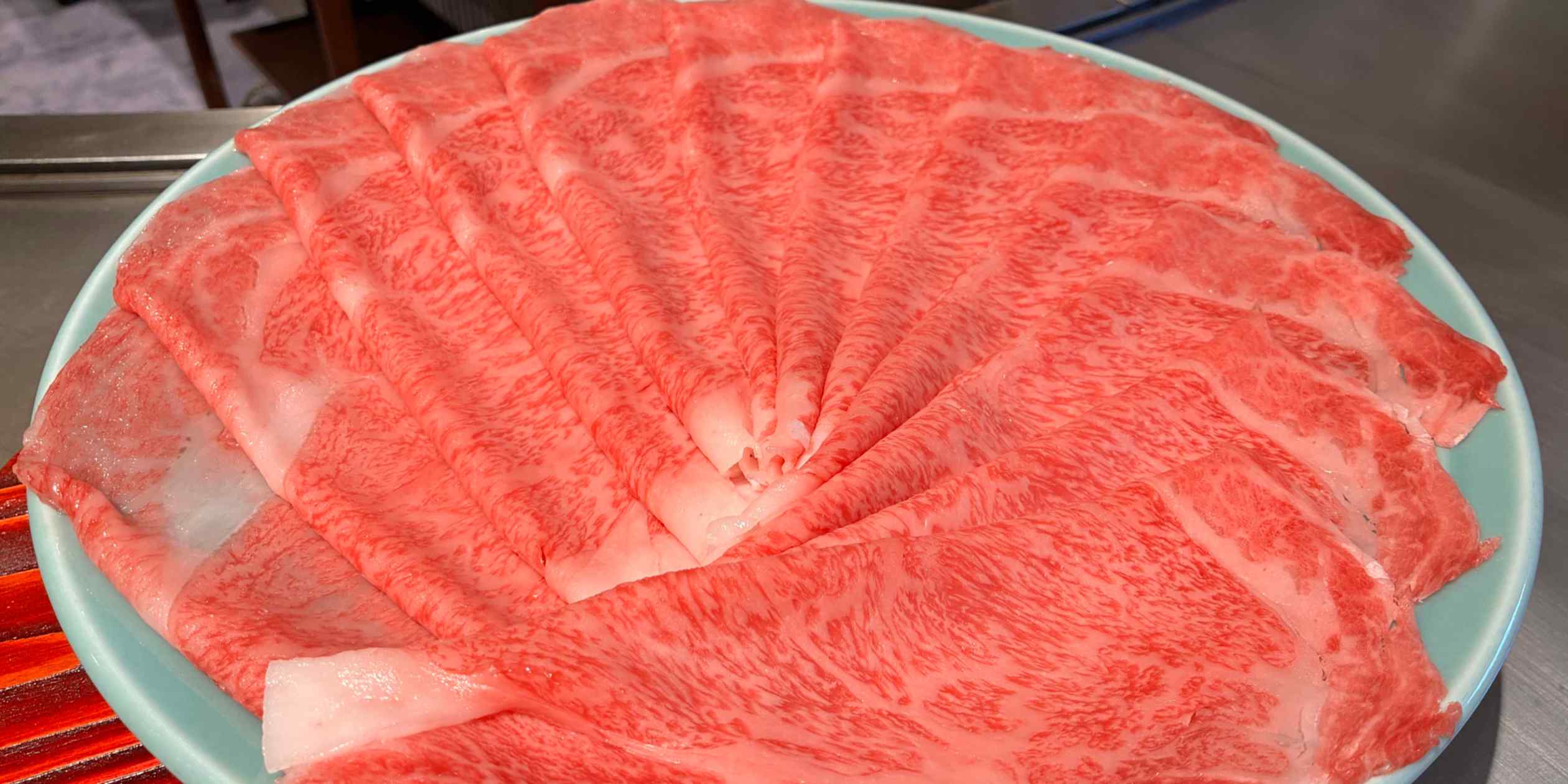
National trade policy can orchestrate global appetite for an elite export, but it cannot manufacture the rural households required to rear the stock. Japan now finds both realities colliding in its cattle sheds. Wholesale wagyu prices have touched record territory, lifted simultaneously by climbing overseas purchases and an accelerating wave of domestic ranch closures, according to reporting by Nikkei Asia. What registers abroad as a commercial triumph is, at source, an acute contraction of the country's physical production base.
For decades, premium cattle farming functioned as an inland preservation strategy. Rigid pedigree registries, specialized feeding regimes and municipal appellations created an agricultural commodity designed around scarcity, shielded from volatile foreign commodity flows. Later revisions turned that domestic heirloom into an aggressive export instrument. That pivot rested on an unexamined assumption: that upstream family husbandry could sustain its rhythms indefinitely while external markets scaled.
The Upstream Contraction
When a breeding ranch closes its gates, agricultural capacity does not pause; it vanishes. Liquidating breeding stock breaks the biological continuity that feedlots rely upon seasons downstream. Rising farm closures demonstrate that the capital required to maintain specialized herds has outrun the financial returns realized by producers, even as wholesale prices hit historic highs. End-market windfalls are failing to clear the farm gate.
This dislocation breaks the classic mechanics of agricultural trade. In orthodox policy theory, peak prices pull capital into pastures, trigger modernization and attract younger operators to rural holdings. Here, the reverse occurs. Record valuations are not functioning as an incentive for renewal, but rather as an actuarial marker of structural attrition. High unit revenues cannot preserve an enterprise when generational turnover fails and operational overheads force liquidation.
Shifting Costs Across Regional Supply Chains
Across the Asia-Pacific hospitality corridors that absorbed this brand identity, the fallout will unfold unevenly. Urban dining rooms across East and Southeast Asia have treated Japanese beef as a baseline marker of premium hospitality. Faced with shrinking supplies from source ranches, importers now face a stark choice between passing sharp procurement hikes to consumers or absorbing severe margin compression on specialty cuts. Competing producers in external markets will inevitably step into the deficit, marketing alternatives to capture price-sensitive buyers.
Trade diplomacy can secure foreign market access, yet it remains powerless to reconstruct a depopulated countryside. Until agricultural planning reconciles export goals with the demographic exhaustion of the farms behind them, the sector remains trapped between foreign appetites it deliberately cultivated and a domestic base it cannot sustain.
Sources
Newsletter
Pacific Daily
A curated briefing from Thailand, Asia-Pacific and the world.