Recreational Land Use in Arid Geographies Exposes Resource Limits Across the Pacific
Sporting infrastructure adapted to dry terrain illustrates ecological constraints that regional development strategies frequently overlook.
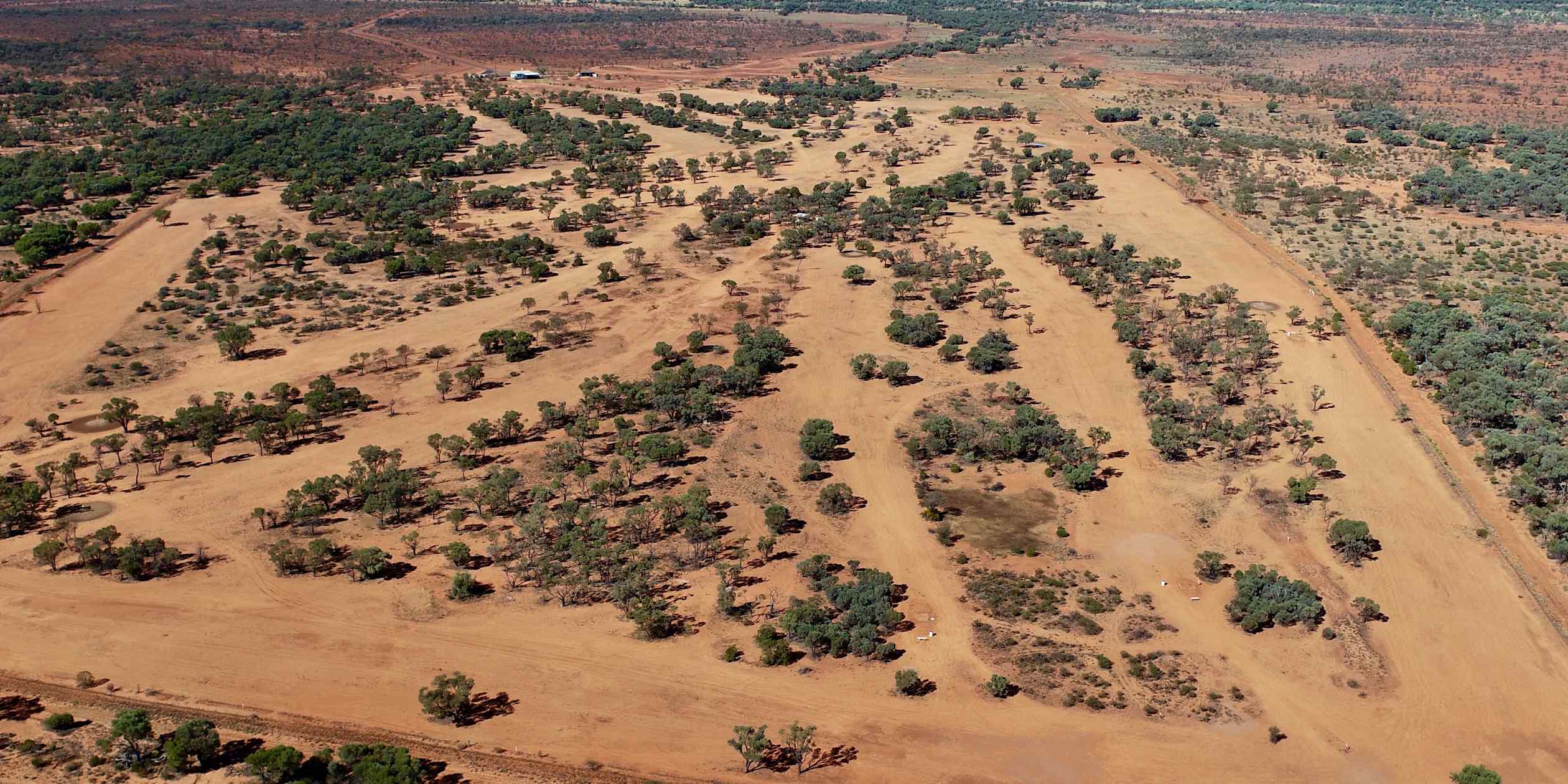
Traditional recreation models in the Pacific basin have long operated on an imported assumption of abundant moisture. Turf management, fairway irrigation and municipal green spaces across temperate and tropical zones alike mirror Western aesthetic conventions that require persistent hydrological input. When sporting activities adapt to arid conditions by eliminating grass entirely, as seen in inland Australia, the adjustment reveals an operational shift rather than a mere leisure curiosity.
Recreational sand golf across the Australian outback strips land use down to physical geography. The absence of cultivated turf removes the continuous water subsidies that sustain suburban country clubs and municipal courses elsewhere. Instead of reshaping soil and groundwater tables to maintain imported vegetation, participants adapt their technique to mineral surfaces, compacted dirt and raw topography. This functional concession directly reflects the baseline reality of arid interior environments.
Ecological Adaptation and Infrastructure Cost
Water security remains an intensifying policy concern across Asia and the Pacific. While agricultural consumption accounts for the overwhelming volume of regional extraction, leisure amenities and recreational real estate command disproportionate political visibility during extended droughts. Suburban settlements and peri-urban tourism corridors frequently attempt to engineer artificial microclimates, sinking capital into desalinisation, pipeline networks and ground-level irrigation to preserve non-native landscaping.
Outback recreation offers a stark operational counterpoint. Abandoning the requirement for living turf eliminates recurring municipal utility burdens, energy outlays for automated pumping and chemical inputs intended to suppress native weed varieties. The resulting surface demands tactical accommodation from participants, but it functions without structural water dependency. Where conventional development treats natural terrain as a defect requiring engineering intervention, low-impact spatial adaptation treats surrounding aridity as a permanent parameter.
Skeptics may counter that sand-based leisure represents an idiosyncratic local accommodation confined to remote geographic pockets with low population density. In densely populated urban centres across East Asia or maritime Southeast Asia, public green corridors serve documented cooling and drainage functions that bare earth cannot match. Converting civic leisure zones into unplanted acreage would exacerbate heat absorption in metropolitan settings.
Limits of Emulation
Yet the structural tension exposed by ungrassed sporting surfaces extends beyond municipal planning debates. Across drought-prone agricultural districts from northern China to central Australia, the habit of subsidising water-intensive leisure infrastructure strains local utility governance. Resort developments designed around synthetic pastoral landscapes increasingly encounter community resistance as surface reservoirs recede.
Adapting sporting activity to dry earth exposes the fragility of maintaining synthetic greenery in naturally parched terrain.
Economic planning in developing territories regularly equates modern leisure with lush vegetation, exporting an aesthetic standard derived from humid northwestern Europe to tropical and desert climes alike. Replicating that standard carries escalating environmental maintenance costs that regional budgets must ultimately absorb.
The deeper governance problem lies in how regional planners measure community well-being and recreational access. If modern amenity continues to be defined by water-dependent greenery, public infrastructure will remain locked into fragile maintenance regimes that break down during seasonal deficits. Settling for unmanicured terrain requires abandoning an aesthetic legacy that municipal authorities across the Pacific remain hesitant to challenge.
Sources
Newsletter
Pacific Daily
A curated briefing from Thailand, Asia-Pacific and the world.