US Supreme Court Hears Climate Lawsuit, Raising Questions for Asia-Pacific Liability
The high court's engagement with Boulder, Colorado's case against ExxonMobil and Suncor could influence how climate-related damages are pursued globally, including in Southeast Asia.
The US Supreme Court began hearing arguments on October 5, 2026, regarding a lawsuit filed by Boulder, Colorado, against oil companies ExxonMobil and Suncor Energy. The city alleges these companies contributed to climate change through fossil fuel use, seeking monetary damages. This case, which the Colorado Supreme Court allowed to proceed, represents a direct attempt to hold energy producers financially accountable for climate-related harms.
Legal battles over climate change liability are not new; however, the Supreme Court's involvement elevates the issue. The central argument being wrestled with is whether such cases belong in federal or state courts. For the oil companies, a federal venue might offer a more unified, and potentially more favorable, legal framework. Conversely, Boulder seeks to keep its claims within state law, which could permit a broader range of arguments related to public nuisance or consumer protection.
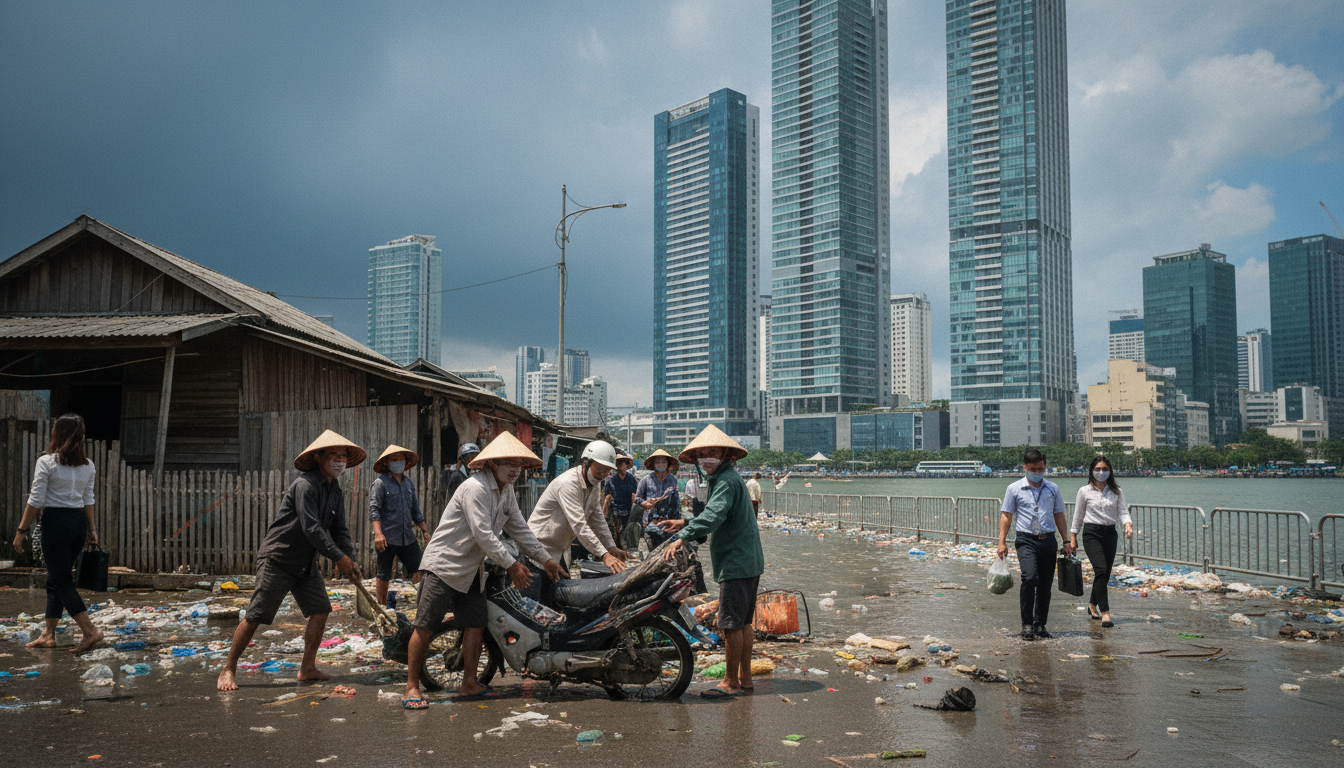
Globally, the outcome holds significance for how similar claims might evolve. While the immediate focus is on US jurisdictional issues, the underlying principle of corporate accountability for climate impacts resonates beyond American borders. In regions like Southeast Asia, where nations face substantial threats from rising sea levels and extreme weather events, the legal precedents set in the US could inform future strategies by affected communities or governments.
The challenge remains substantial for those seeking damages. Proving a direct causal link between the actions of specific companies and localized climate impacts, such as increased flood damage or agricultural losses, involves complex scientific and legal hurdles. Furthermore, establishing the appropriate legal framework for such claims in diverse jurisdictions presents its own set of difficulties.
This Supreme Court deliberation focuses on procedural questions, marking the start of its new nine-month term. However, the decision on where these lawsuits are heard could ultimately determine their viability. If the court makes it harder to pursue these cases, it could reduce the immediate financial pressure on energy companies. If it allows state-level suits to proceed, it might encourage a wave of litigation, locally tailored to specific harms. The path forward for communities seeking compensation for climate change impacts hinges on these procedural distinctions.
Sources
Newsletter
Pacific Daily
A curated briefing from Thailand, Asia-Pacific and the world.