US Midterm Elections and Iran: An Electoral Halt to Military Escalation Shapes Asia-Pacific Energy Markets
President Trump's decision to forgo an attack on Iran before US midterm elections, driven by domestic fuel price dissatisfaction, creates a temporary pause in a conflict with tangible economic effects for Asian energy importers like Thailand.
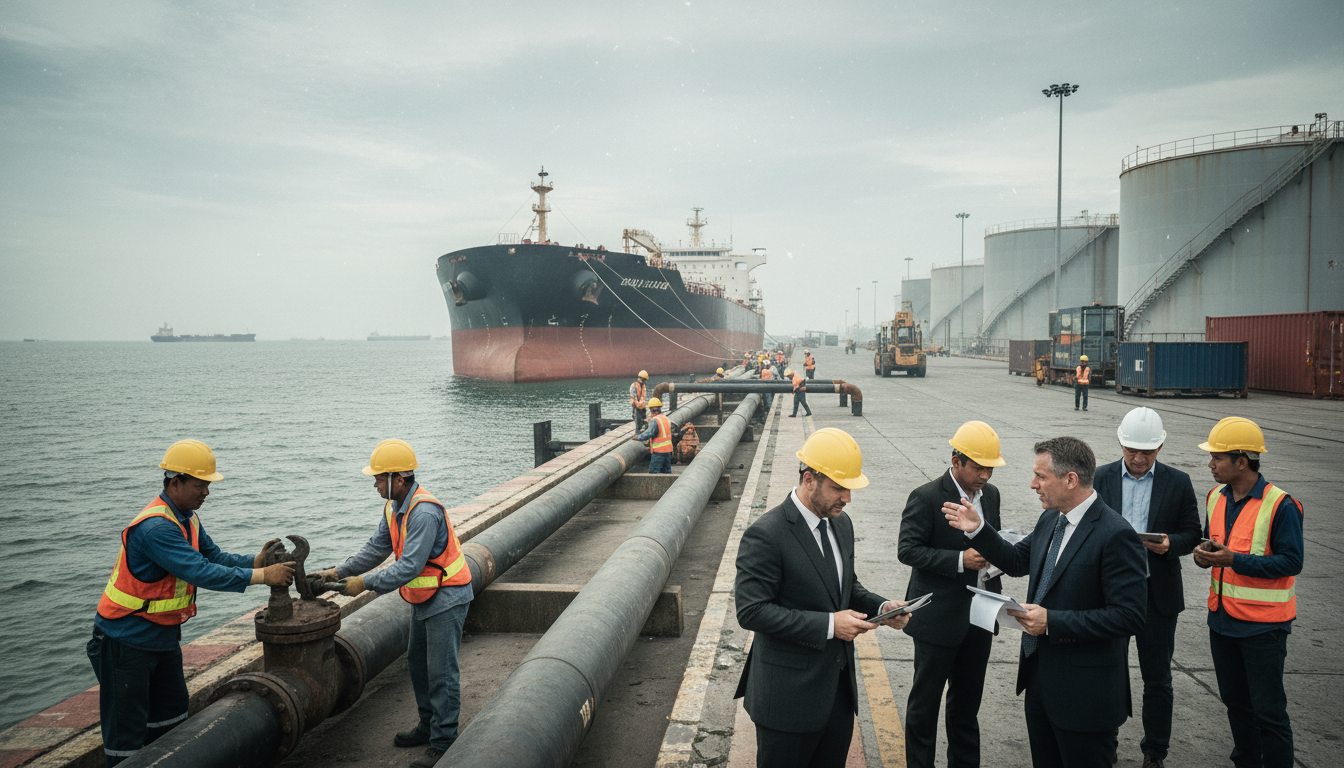
President Donald Trump's declaration on October 8, 2026, ruling out an attack on Iran before the US midterm elections, marks a temporary pause in a conflict that has contributed to global energy market volatility. This statement, shared via Truth Social, explicitly links military action to electoral considerations in the United States. It follows media reports on October 8 suggesting potential new US strikes, which drove a surge in oil prices.
Polls suggest that US voters are strongly dissatisfied over rising fuel prices, a sentiment directly tied to the conflict launched by the United States and Israel against Iran in February. This domestic pressure point in the United States, articulated by Trump’s decision, influences foreign policy through the immediate lens of electoral cycles. "I want to make it clear to everybody that, while Iran is in very bad condition, both economically and militarily, and while the blockade will remain in full force and effect... we will not be attacking Iran at any time prior to the midterm elections," Trump stated. He also claimed, "We are having productive discussions with the Islamic Republic of Iran."
For the Asia-Pacific, such shifts in US foreign policy, particularly those impacting global oil supplies, have direct economic consequences. Thailand, as a net energy importer, is acutely sensitive to fluctuations in crude oil prices. A temporary stabilization or reduction in price volatility, however brief, could offer some relief to domestic inflation pressures and consumer spending power. The conflict in February, and the subsequent rise in fuel costs, contributed to economic strain across the region, affecting sectors from manufacturing to transportation. The Bangkok Post reported on October 9 that fuel and fertiliser costs strain US farmers' support for Republicans in midterms, illustrating a parallel domestic economic vulnerability.
This decision, while presented as a strategic move by Trump, fundamentally reveals the influence of domestic politics on US engagement in the Middle East. While an attack on Iran is ruled out for a specific timeframe, the underlying conflict and the blockade remain. The long-term trajectory of US-Iran relations, and its impact on global oil prices, remains subject to the post-election political landscape in the United States. This current pause offers a window for markets and governments in the Asia-Pacific to assess and mitigate ongoing energy vulnerabilities, but does not resolve the broader tensions that continue to shape global energy costs.
Sources
Newsletter
Pacific Daily
A curated briefing from Thailand, Asia-Pacific and the world.