Uncertainty in urban planning: When academic links to future infrastructure become vague
The actions of two academics raise questions about the integrity of information, a currency often spent before it is earned.
SINGAPORE
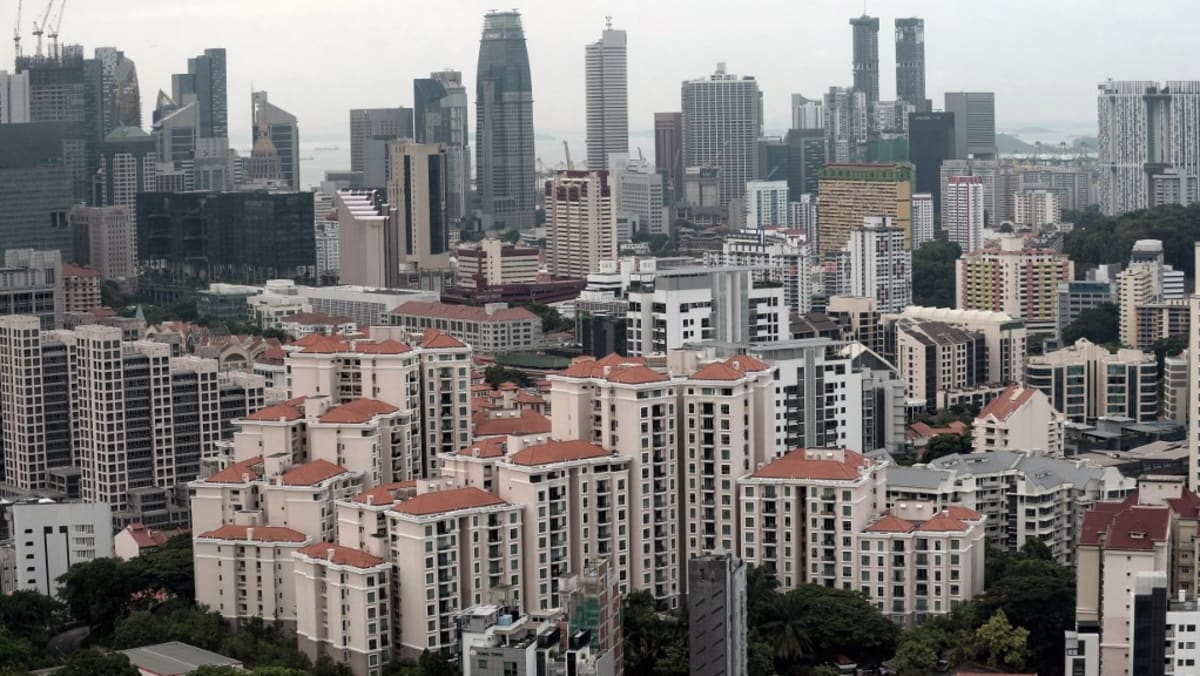
A panorama of glass towers and financial hubs defines Singapore's cityscape, a familiar backdrop for its residents. Within this setting, a recent development introduces a subtle but significant element of disruption: two professors from the National University of Singapore (NUS) have asked for their names to be removed from the acknowledgements of a study. This study, by its nature, concerns civil servants' home purchases near stations of the rapid transit system that had not yet been announced.
This is not a matter of a project opening or a new route being unveiled. Instead, it revolves around the integrity of the research itself. The request by the professors suggests a potential disconnect, or perhaps a disavowal, from the work they were once associated with. It brings to the fore the delicate balance between academic scrutiny and public perception, particularly when the subject touches on matters of urban planning and equity. The phrase 'unannounced MRT stations' holds considerable weight, implying information that, if known prematurely, could offer a significant advantage in property transactions.
The request by the professors suggests a potential disconnect, or perhaps a disavowal, from the work they were once associated with.
The initial report by CNA Lifestyle on September 15, 2026, details this request. The core issue is not the findings of the study itself – which are not available – but rather the disassociation of academic figures from it. In regions like Singapore, where land is finite and urban development is meticulously planned, information about future infrastructure can shape market dynamics long before official announcements. The movement of capital often precedes the laying of tracks, guided by signals both subtle and overt.
What remains unstated is the precise reason for the professors’ request. Without that, one can only infer the potential implications. It could be a dispute over methodology, interpretation, or even the ethical framework of the research. What is clear, however, is that this situation creates a gap where clarity once seemed assured. For the public, and for those who rely on academic studies to understand urban trends and governance, such a withdrawal can erode trust. It hints at a landscape where the certainty of academic findings, particularly on sensitive topics, may not be as steadfast as often assumed.
Yet, it is also possible that the request signifies nothing more than a procedural disagreement or a re-evaluation of contribution, without implying any foundational flaws in the study itself. Academics routinely refine and adjust their work. This ambiguity leaves an important question unanswered: Does the request signify a concern about the findings, the process, or merely a formality? The answers, for now, remain within the unannounced spaces between the lines, much like the stations themselves. This episode speaks to the wider habit of how information, even in its rawest form, influences perceptions of integrity in the public and academic sphere.
Sources
Newsletter
Pacific Daily
A curated briefing from Thailand, Asia-Pacific and the world.