The Vanity of the Camera and the Vulnerability of Office
Michael Aboud's threatened lawsuit against Sacha Baron Cohen exposes how readily local authority confuses media flattery with institutional respect
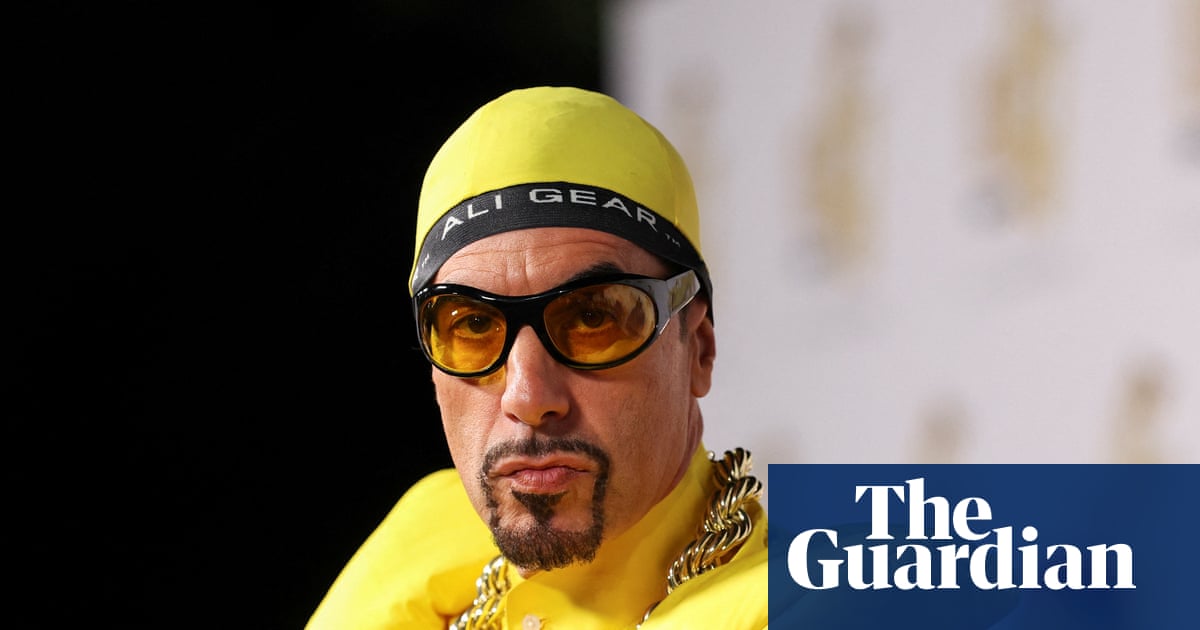
Institutional decorum has long rested upon an unwritten compact between municipal figures and the recording apparatus positioned before them. For generations of municipal officials and party functionaries, an interview arranged by an outside crew carried an implicit promise of institutional legitimacy, bearing the comforting assumption that visitors traveled to document serious civic duties. That assumption faltered as promotional media culture expanded, gradually displacing traditional administrative reserve with an appetite for exposure. When theatrical satire enters that space, it does not invent new weaknesses so much as inhabit the existing vulnerabilities of people eager to project importance beyond their immediate jurisdiction.
The sharp dispute surrounding Michael Aboud, chair of the El Paso County Republican Party, demonstrates precisely where civic posture collides with deliberate performance art. After discovering that his participation in what he understood to be a documentary was incorporated into the satirical production Ali G: Who Iz I?, Aboud publicly declared his intention to sue the film-maker Sacha Baron Cohen. Calling the satirist a liar and a pervert, the party chairman expressed acute outrage over recorded conduct that will now encounter wide public circulation. While the confrontation follows a familiar pattern of comic deception, the resulting grievance exposes a systemic dilemma concerning how local political actors manage the pursuit of attention.
The Architecture of Assent
What enables such cinematic encounters to succeed is rarely the technical perfection of a disguise, but rather the uncritical compliance of the host. Civic figures accustomed to internal deference frequently dismantle their normal skepticism whenever presented with an audience that seems to flatter their station. Baron Cohen has spent decades exploring this specific reflex, adopting invented personas such as Col Erran Morad to elicit unguarded commentary from individuals convinced they were addressing an authentic emissary. The technique functions because institutional actors are conditioned to validate visiting cameras, operating on the instinct that any filmed platform serves as an amplifier for their standing.
Critics of deceptive satire present a substantive ethical objection to this methodology. Those who question such filming argue that misrepresenting the purpose of an interview constitutes an ambush, inducing cooperation through calculated deception rather than legitimate inquiry. From this perspective, obtaining legal consent under false pretenses degrades public discourse, ensnaring individuals who acted in good faith within a staged setting. Yet this counterargument struggles to explain the substance of the recorded material itself. Staged encounters cannot generate impulses out of nothing; the camera merely provides an open frame, allowing the participating official to supply the rhetoric, assumptions, and demeanor unprompted.
Visibility and Vulnerability
Observed across the Pacific, this dispute highlights a distinct tension within the contemporary political environment of the United States. Administrative authority in many governance traditions historically maintained influence through distance, formality, and procedural discretion. Within the modern American party apparatus, however, status increasingly requires constant public circulation, pushing local representatives to pursue media visibility at almost any cost. That structural incentive creates an acute hazard, leaving municipal functionaries susceptible to whoever arrives bearing the trappings of a national or international platform.
The technique functions because institutional actors are conditioned to validate visiting cameras, operating on the instinct that any filmed platform serves as an amplifier for their standing.
Litigation rarely restores the prestige lost to a recorded performance. Court motions cannot undo the sequence of choices that led a political officer to grant access, sign documents, and engage with preposterous premises before a production crew. When Sacha Baron Cohen held the premiere of Ali G: Who Iz I? on 14 October, the release reignited familiar debates over satire and decorum. Beneath the immediate litigation threats lies a more durable transformation in public life. In trading administrative discretion for the intoxicating prospect of media validation, civic leaders surrender the quiet authority of their office, leaving themselves defenseless against the very lenses they invited inside.
Sources
Newsletter
Pacific Daily
A curated briefing from Thailand, Asia-Pacific and the world.