When Machine Detection Rewrites the Contract of the Novelist
The rupture between Thelyson Orelien and his Canadian publisher exposes how algorithmic vetting transforms literary prestige into a forensic audit.
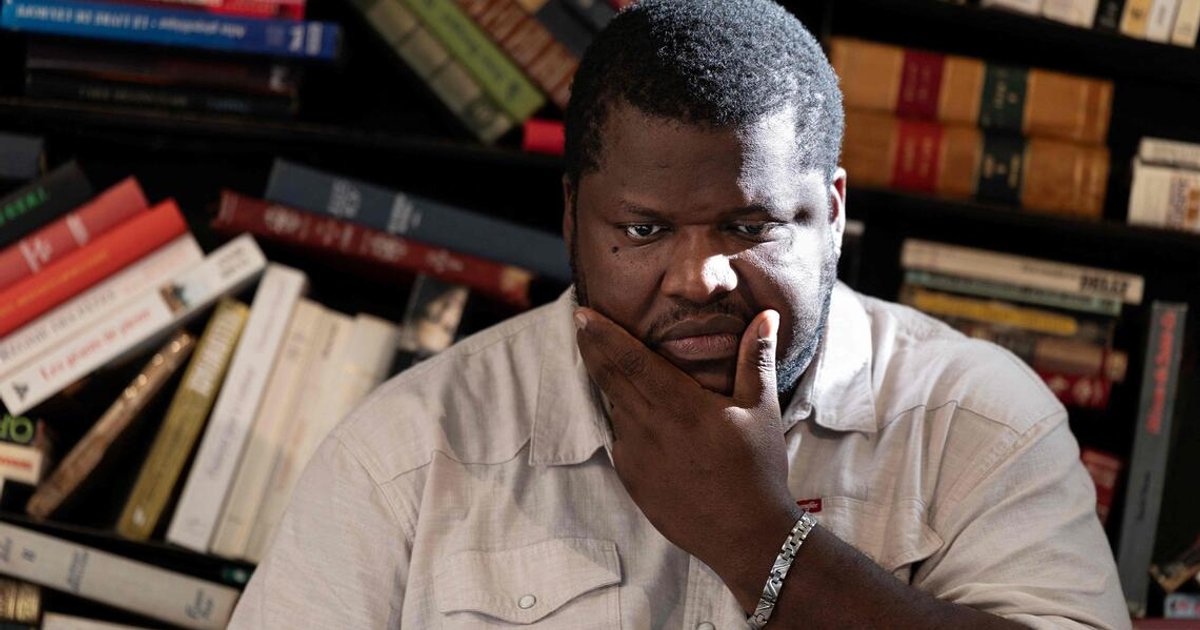
Across independent bookshops from Montreal to Tokyo, the cultural authority of a literary novel has historically rested on an invisible compact between writer, editor, and reader. Ink on paper stood as the finished artifact of singular human labour, certified by prestigious prize committees in France and affirmed by publishers betting on global translation rights. That quiet assumption fractured publicly when Montreal publishing house Boreal severed ties with Haitian-Canadian novelist Thelyson Orelien.
Boreal alleged on Oct 21 that Orelien used artificial intelligence to help write his novel It Was Either That Or Die. Outside analysis had examined early drafts, reporting traces of automated tags embedded directly within digital file metadata. Earlier scrutiny emerged when an automated detector assigned a 100 percent probability score to passages of the work, prompting the Prix Goncourt selection committee to purge the title from its shortlist. Within weeks, what had been celebrated as major literary craft dissolved into an argument over software diagnostics.
Publishing has long marketed the author as an unmediated voice, a solitary consciousness wrestling language into shape. Literary capitals throughout the Pacific, where metropolitan readers follow European prize longlists with keen commercial interest, built entire distribution strategies around that mystique. Yet the confrontation over It Was Either That Or Die reveals how swiftly corporate publishing has abandoned human editorial evaluation in favour of algorithmic adjudication. When suspicion arose, the publisher did not rely on stylistic appraisal or line-by-line editorial memory. Instead, the firm turned to third-party forensic software, outsourcing literary judgement to automated detectors whose own error rates remain contested.
The Commercial Illusion of Purity
Defenders of the automated screening process argue that prizes like the Goncourt and institutional publishers must protect the integrity of authorship against undisclosed algorithmic intervention. In this view, readers pay for human contemplation, not synthetic autocomplete, making aggressive software detection an ethical necessity for cultural preservation. If an algorithm generated sentences submitted under a writer's name, maintaining the publisher-author contract would sanction deception and dilute the prestige that sustains high-end publishing.
Outside analysis found traces of automated tags within draft metadata, turning literary appraisal into forensic calculation.
That argument assumes automated detection provides clean moral clarity. Reality presents a murkier ledger. Boreal admitted that while analytical tools flagged draft metadata, the company still could not determine how much artificial intelligence had actually been used in composing the finished book. The boundary between digital drafting assistance, grammar software, research summarisation, and outright mechanical generation is neither fixed nor transparent. By reacting to probability outputs, publishers risk institutionalising a regime where stylistic idiosyncrasy or non-standard syntax triggers automated penalties.
The Displaced Editorial Hand
What failed in the case of Thelyson Orelien was not merely one author's draft management, but the historical function of the publishing editor. Manuscript vetting previously depended on deep engagement between an editor and a living text over months of revision. Today, under the pressure of international licensing timetables and sudden reputational exposure, publishers reach for automated filters to shield their corporate brand from public embarrassment.
Readers across global markets now face a transformed retail reality. The value of a translated novel in regional storefronts no longer depends entirely on critical consensus or prose resonance. Algorithmic surveillance now polices the creative process, turning literary prestige into an unsettled forensic trial.
Sources
Newsletter
Pacific Daily
A curated briefing from Thailand, Asia-Pacific and the world.