The Shifting Sands of Southeast Asian Shores
Nha Trang's ascent signals a quiet reordering of cultural and economic flows.
SINGAPORE
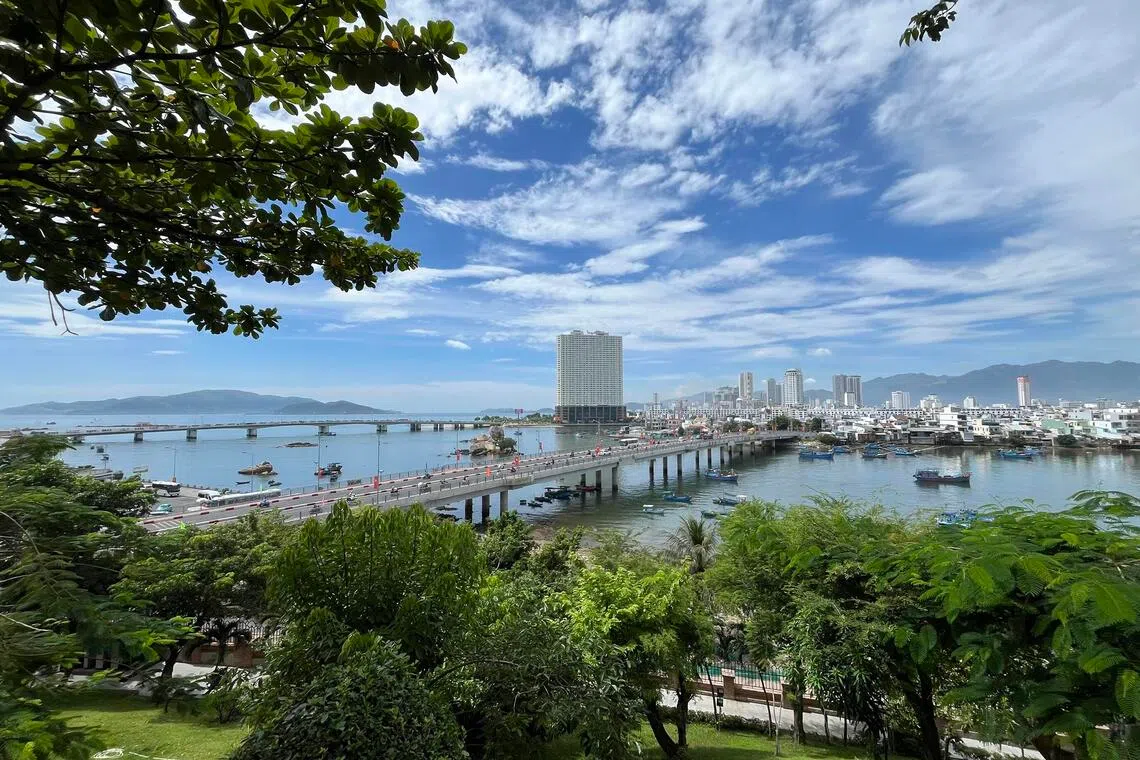
Nha Trang, a coastal city in Vietnam, is known for its clear waters and beaches. It is sometimes referred to as the “Pearl of the East Sea”. This description appears in The Straits Times Life on September 19, 2026, which notes the city’s developing tourism. The same day, the Bangkok Post also describes it as a “coastal gem.” Cultural sites such as Nha Trang Xua village, Po Nagar Temple, and Long Son Pagoda are available to visitors. The InterContinental Nha Trang offers cooking classes focused on local cuisine, including pancakes and charcoal barbecue.
Yet, beneath the surface of these seemingly uncomplicated appeals, a notable shift unfolds. VnExpress International reported on August 30, 2026, that Nha Trang was included in Lonely Planet's list of 10 best Vietnamese beaches. Earlier, on June 10, 2026, VnExpress International noted that a lesser-known Vietnamese beach made a global top 100 list for the first time. The collective weight of these reports suggests a growing international recognition for Vietnam’s coastal destinations. This rise occurs while five Southeast Asian countries, Vietnam among them, were reported on June 9, 2026, by VnExpress International to be competing for the title of 'Asia's leading beach destination'.
The pattern here is not merely about a new destination gaining traction. It concerns how the established habits of international tourism are slowly being rerouted. Thailand, with its long-standing reputation for beaches and hospitality, has for decades been a primary recipient of these tourist flows. The increasing visibility of places like Nha Trang, however, points to a broader diversification of choice within the region. It is not an overt challenge, but rather a subtle expansion of the available landscape for travelers seeking coastal experiences.
One significant point of friction within this developing scene is Nha Trang's reported struggle to find Russian-speaking tour guides, despite salaries of $1,100, as reported by VnExpress International on June 3, 2026. This detail indicates a specific, persistent demand that the local tourism infrastructure has not yet fully met. This difficulty in recruiting specialized talent, even with competitive compensation, shows that the influx of visitors is creating new, sometimes unforeseen, labor market pressures.
"The collective weight of these reports suggests a growing international recognition for Vietnam’s coastal destinations."
The scene of visitors exploring pagodas and partaking in local cooking classes while tourism infrastructure grapples with specific linguistic needs outlines a cultural interaction that is both intimate and global. The changing perception of Nha Trang as a destination, from a regional secret to an internationally recognized locale, indicates that the established cultural anchors of Southeast Asian tourism are experiencing a slow, but steady, redistribution. The question for the wider Asia-Pacific, particularly for destinations that have long relied on their status as premier coastal havens, is how quickly and effectively they can adapt to this new, more distributed reality of visitor attention and demand. The habit of seeking the 'Pearl of the East Sea' is now expanding beyond its traditional bounds.
Sources
Newsletter
Pacific Daily
A curated briefing from Thailand, Asia-Pacific and the world.