The Rise of the 'Workation': Asia-Pacific's New Digital Frontier
As remote work becomes the norm, a new breed of professionals is trading the drab office for dynamic destinations. Yuki Morimoto explores how Asia-Pacific is leading the charge.
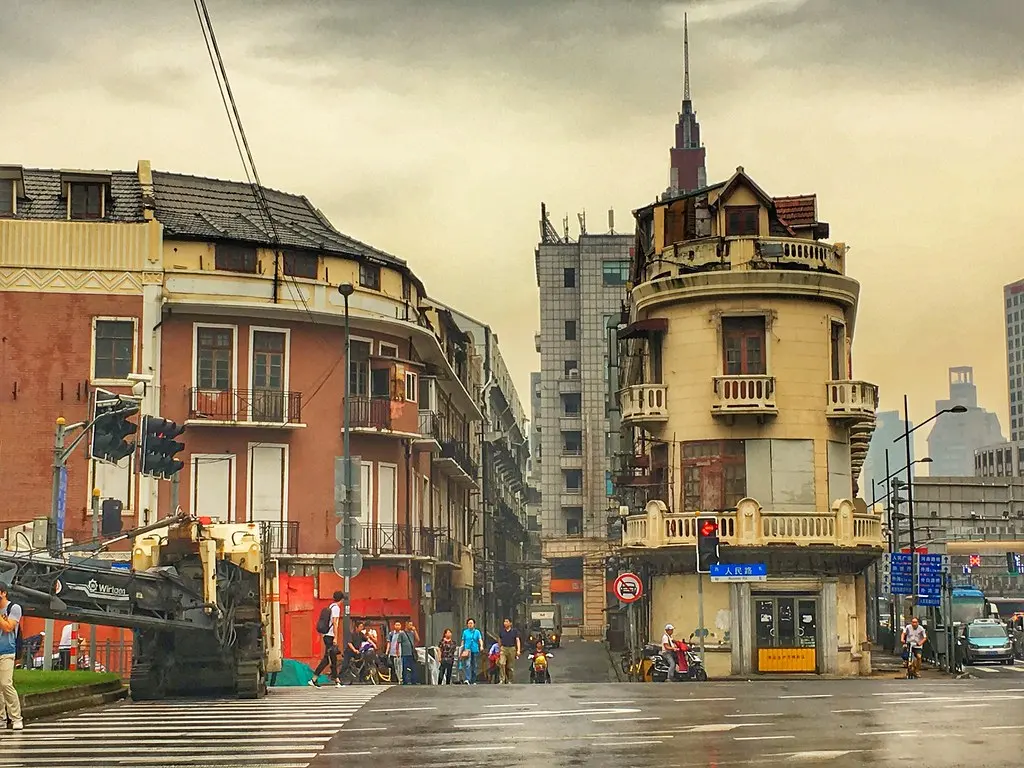
SINGAPORE
The traditional office cubicle, once a steadfast symbol of professional life, now feels like a relic of a bygone era. The global shift towards remote work has not just reshaped how we earn a living; it has fundamentally altered where. Enter the 'workation' – a portmanteau capturing the essence of combining productive work with immersive travel. And nowhere is this trend more vibrant, more innovative, and more welcoming than across the Asia-Pacific region.
For years, Bali’s Canggu has been the undisputed poster child for digital nomadism, its surf breaks and vegan cafes drawing a steady stream of creatives and tech entrepreneurs. But while Bali remains a powerful magnet, the workation landscape in Asia-Pacific has matured, diversified, and spread far beyond its shores. This isn't just about escaping winter; it's about finding communities, inspiring environments, and a lower cost of living that allows for both professional growth and personal enrichment.
One of the most compelling aspects driving this trend is the proliferation of high-quality, purpose-built co-working spaces. These aren’t just glorified internet cafes; they are hubs of innovation, offering reliable high-speed internet, ergonomic workstations, networking events, and often, a vibrant social calendar. In Bangkok, for instance, places like The Hive and Hubba-to have cultivated ecosystems where freelancers and startups flourish. The former, with its chic design and multiple locations, offers a sophisticated environment, while the latter, nestled in a creative community mall, fosters a more communal, hands-on vibe. This infrastructure is critical, transforming what could be an isolating experience into a collaborative one.
Beyond the established heavyweights, emerging destinations are making a significant play. Vietnam, particularly cities like Da Nang and Hoi An, offers an incredible blend of affordability, natural beauty, and a rapidly developing infrastructure. Da Nang's beachfront co-working spaces, like V-Space, provide panoramic views to accompany your spreadsheets, while Hoi An’s tranquil charm offers a more serene backdrop for focused work. The cost of living here allows for a quality of life – from exceptional local cuisine to accessible cultural experiences – that would be unimaginable in many Western cities. Similarly, Malaysia’s Penang, with its UNESCO-listed George Town and burgeoning tech scene, is becoming an unexpected favourite. Its rich tapestry of cultures, incredible street food, and historic architecture create an intoxicating environment for sustained productivity and exploration.
The 'workation' isn't just a fleeting trend; it's a recalibration of work-life balance, powered by connectivity and a yearning for experience over accumulation.
Singapore, while on the pricier side, presents a different appeal for those seeking a more structured, hyper-connected environment. Its world-class infrastructure, efficient public transport, and abundant premium co-working spaces like WeWork or JustCo cater to a more corporate nomad, offering unparalleled access to regional markets and a sense of sophisticated stability. It’s a workation for the ambitious, where networking opportunities are as plentiful as Michelin-starred hawker stalls.
What unites these disparate locations is not just the promise of reliable Wi-Fi, but a forward-thinking approach by local governments and businesses. Many countries are actively courting digital nomads through simplified visa processes and dedicated initiatives. Thailand’s Long-Term Resident (LTR) visa, while still new, signals a clear intent to attract high-potential individuals. Similarly, Indonesia has long discussed a dedicated digital nomad visa, acknowledging the economic boon these professionals bring.
Ultimately, the 'workation' is more than just a convenient portmanteau; it's a recalibration of work-life balance, powered by ubiquitous connectivity and a profound yearning for experience over accumulation. Asia-Pacific, with its dynamic economies, diverse cultures, and proactive embrace of this new paradigm, is not just accommodating this shift; it is actively shaping its future.
Newsletter
Pacific Daily
A curated briefing from Thailand, Asia-Pacific and the world.