Digital Health Platforms Rethink Senior Care Profitability in Asia
NTUC Health's online push for active aging programs highlights a pivot towards scalable, at-home services for an expanding senior demographic. This shift, however, must reconcile the cost of digital access with the need for broad participation.
SINGAPORE
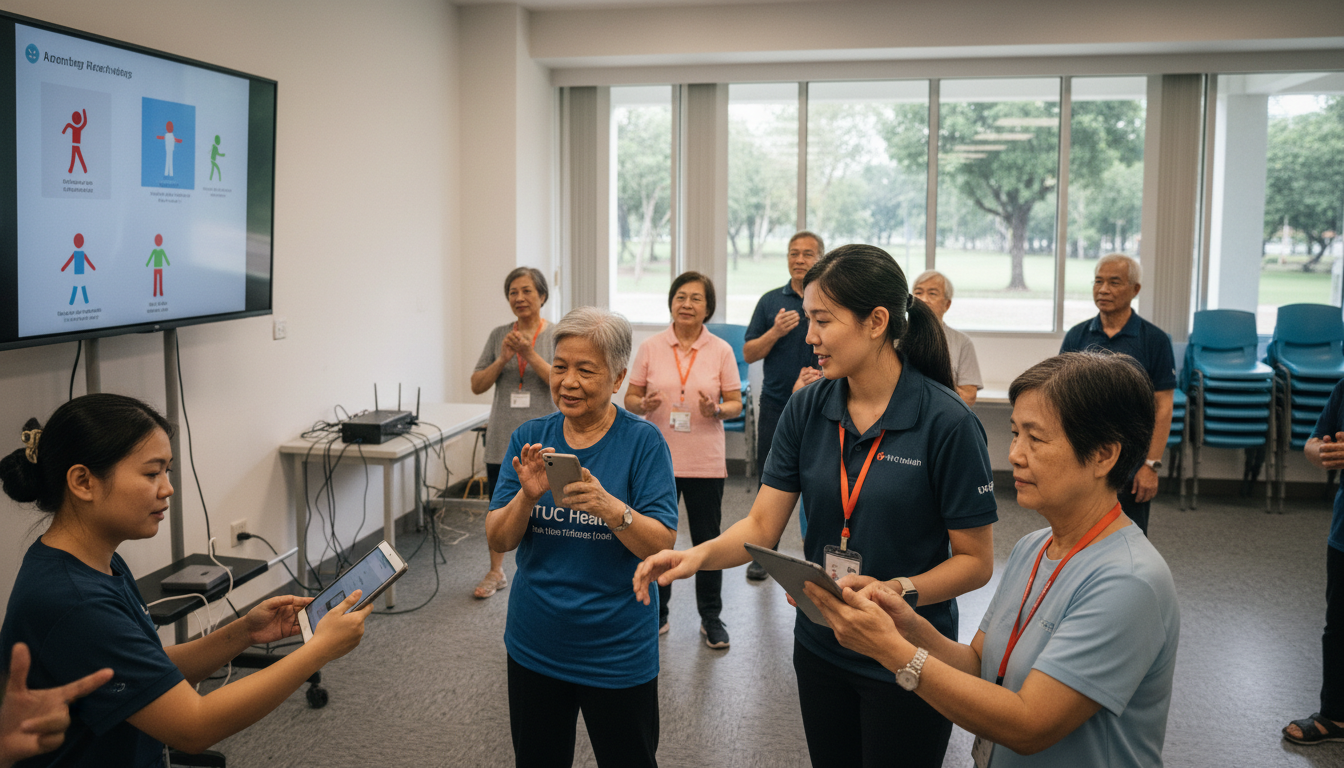
The launch of a digital platform by NTUC Health, offering livestreamed and recorded active aging programs, represents a significant operational adjustment in senior care. While the platform provides accessible options for activities—including cooking demonstrations and exercise sessions featuring senior volunteers like Doreen Ong, who demonstrates healthier chendol recipes—its core implication lies in recalibrating service delivery for a growing demographic. This move suggests a strategic evaluation of how to serve a large, aging population efficiently, shifting from facility-centric models to at-home engagement.
From a market realist perspective, the tension centers on the promise of wider reach against the underlying economic viability. Moving programs online reduces the overhead associated with physical venues and in-person instruction, potentially allowing for a higher volume of participants without a proportional increase in operational costs. For instance, Madam Ong's instruction, teaching alternatives like sugarless soy milk and chia seeds in traditional dishes, can now reach an unlimited number of seniors simultaneously or asynchronously. This model leverages digital infrastructure to scale services, a critical factor given the increasing pressure on healthcare and elder care budgets across the region.
However, the success of such platforms hinges on widespread digital inclusion. While the idea of accessing programs from home is compelling, it assumes a baseline of digital literacy and access to necessary hardware and internet connectivity. The cost associated with acquiring and maintaining these tools can represent a significant barrier for some seniors, particularly those in lower-income brackets or rural areas. Furthermore, the efficacy of online instruction for physical activities, compared to supervised in-person sessions, remains a point of consideration. The potential for reduced engagement or injury due to lack of direct oversight needs to be weighed against the convenience.
For companies operating in the hospitality and care sectors, this development signals a broader trend: the digitization of services previously delivered in person. The challenge lies not just in creating content, but in ensuring its equitable distribution and impact. The shift reduces the traditional reliance on physical capacity and geographical proximity, potentially allowing service providers to expand their market footprint without substantial capital expenditure on new facilities. The question then becomes one of optimizing user experience and ensuring consistent participation, which directly influences the return on investment for such digital infrastructure. NTUC Health’s approach with both livestreamed and recorded sessions directly addresses different access and schedule needs, a detail that suggests a deliberate effort toward wider adoption.
What this means for the broader Asia-Pacific region, particularly markets like Thailand, is a blueprint for adapting to demographic shifts. As populations age, the demand for accessible and affordable elder care solutions intensifies. Digital platforms offer a path to meet this demand, provided the digital divide can be bridged. The economic model works at high occupancy rates, translating digital access into actual engagement. Without addressing the barriers to digital participation, the efficiency gains remain theoretical. The outcome now depends on whether providers can effectively onboard and retain a diverse senior user base, demonstrating that digital convenience outweighs the inherent limitations of remote interaction for a demographic that often values personal connection. The question of who pays for consistent connectivity and adequate digital training for seniors remains unresolved.
Sources
Newsletter
Pacific Daily
A curated briefing from Thailand, Asia-Pacific and the world.