The Quiet Commerce of Surviving a Confessional Icon
A memorial volume from Baek Se-hee’s intimate circle tests whether personal grief can outlast the commercial appetite for public vulnerability.
SINGAPORE
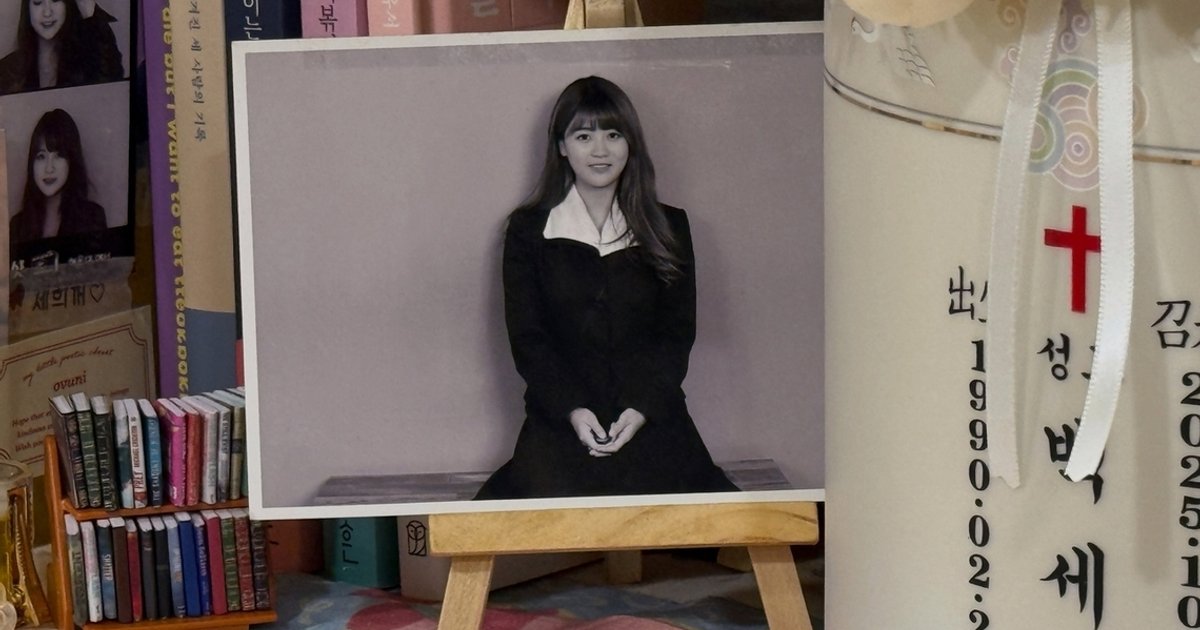
Bookstore display tables across Seoul regularly arrange personal memoirs into compact towers of pastel paper, inviting readers to browse private distress in bright retail corridors. For years, the prominent title among them was I Want to Die but I Want to Eat Tteokbokki, a work whose intimate dialogues between author Baek Se-hee and her psychiatrist moved over one million copies across domestic and international markets. The volume turned solitary psychiatric consultations into collective reading material. When Baek died aged 35 on Oct 16, 2025, that commercial intimacy met an abrupt, silent boundary.
Now, a different record emerges from that private perimeter. Titled Buttermilk Way, a new essay collection brings together the perspectives of three figures from her immediate domestic circle: her partner of seven years, a close friend, and her younger sister. Structured around monthly grief meetings convened in the year following her death, the release carries the formal consent of her family, with five per cent of cover sales directed to the Korea Foundation for Suicide Prevention. The publication does not extend Baek’s own confessional prose. Instead, it documents the private labour of remaining behind.
The Economy of Shared Exposure
The cultural appetite that propelled Baek’s early writing was rooted in consumer hunger for ordinary vulnerability. Her initial success demonstrated how candid disclosures about chronic dysthymia could disarm rigid social expectations across South Korea. Readers responded not merely to literary craft, but to the precise reassurance that domestic cravings and depressive fatigue could inhabit the same afternoon. That disclosure, however, established an uneasy balance between therapeutic honesty and market demand, turning individual suffering into an ongoing publishing event.
Memorial volumes inevitably confront that exact tension. The arrival of Buttermilk Way tests whether the publishing sphere can hold quiet bereavement without merely monetising the residual aura of an established bestseller. Sceptics might observe that literary estates and surviving partners frequently face economic incentives to prolong an author’s commercial presence, packaging domestic sorrow for an existing readership eager for closure. Yet this volume resists the conventional machinery of unreleased manuscripts or posthumous fragments. It registers instead as a collective testament by three observers who watched the burden of public representation press against private endurance.
Shifting the Burden of the Record
The living do not inherit an author's voice; they inherit the room after the door closes.
The critical shift within Buttermilk Way lies in its deliberate refusal to simulate Baek’s interior voice. By distributing authorial weight across her partner, sister, and friend, the project repositions grief as an interpersonal reality rather than an individual performance. The surviving circle assumes responsibility for the narrative, shifting focus from the author’s inner conflicts to the communal shock wave left in domestic spaces. The inclusion of the Korea Foundation for Suicide Prevention acknowledges the societal gravity framing the text, marking an explicit institutional link between personal loss and public health.
This collaborative response illustrates an evolving response to public bereavement across contemporary Asian publishing. Where earlier generations treated private distress as an unmentionable domestic crisis or reduced it to brief, sensational headlines, urban readers now encounter the methodical, unadorned processing of collective absence. The quiet meetings of three surviving kin do not resolve the contradictions inherent in commercialising grief. They merely demonstrate that while an author’s published vulnerability belongs to a million readers, the quiet work of surviving her absence remains strictly anchored to those who shared her living room table.
Sources
Newsletter
Pacific Daily
A curated briefing from Thailand, Asia-Pacific and the world.