Gathering in borrowed rooms: A quiet shift in connection
The slow emergence of dedicated spaces for casual encounter in Singapore hints at a wider re-evaluation of social patterns across Asia-Pacific.
SINGAPORE
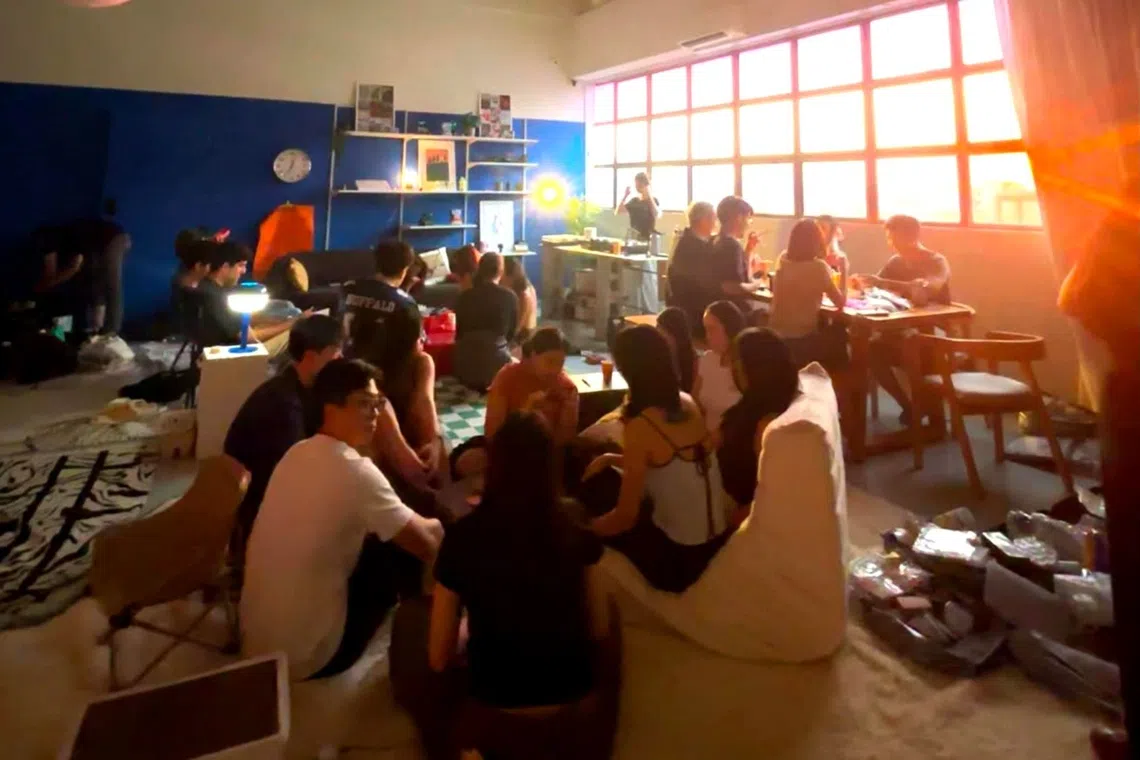
Behind the glass doors of a rented Singaporean apartment, strangers gather. They are not there for a meeting, nor a class, nor a scheduled event, but simply to unwind, to converse without agenda. Ren Lee’s After Hours, Slow House initiative and Friendzone’s Dilly Dally Space offer these borrowed living rooms, intentionally designed to foster casual connections among young people. These are not grand new constructions, but rather quiet appropriations of existing urban fabric, refitting it for a new kind of social infrastructure.
This phenomenon, observed in Singapore and noted by The Straits Times Life on September 19, 2026, reflects a shift in how sociality is performed. For a generation that has grown up with pervasive digital connectivity, the intentional creation of “third places” – informal gathering spots outside of home and work – marks a re-prioritization of in-person, unstructured interaction. The stated goal for both After Hours, Slow House and Dilly Dally Space is to address social isolation, by offering venues for young people to meet and potentially form friendships through repeated visits. While the efficacy of these spaces in building lasting bonds is noted to require consistent engagement, their very existence points to a perceived deficit in spontaneous, low-pressure social avenues.
Yet, this deliberate pursuit of the informal carries an inherent tension. Historically, social ties emerged from shared environments – workplaces, neighborhoods, temples, or markets. The very need to create a dedicated space for “stranger meetups,” as Livemint reported, suggests that such organic opportunities have diminished. The question is not just where people connect, but why the act of connecting has become so formalized as to require a specific, designated invitation. It implies a cultural landscape where the default is increasingly solitary, prompting individuals to actively seek out company that was once a byproduct of daily life. The Guardian, in a March 20, 2024 piece, explored this growing comfort with solitude, which, when taken to an extreme, prompts reflection on potential over-isolation.
This trend resonates across the Asia-Pacific, where Gen Z faces unique pressures. Protests in Nepal involving Gen Z, reported by reuters.com on March 28, 2026, and an attributed 'Gen Z rage' in India against a perceived lack of learning opportunities, as The Japan Times noted, suggest underlying anxieties. While these spaces in Singapore are far removed from political dissent, they speak to a similar generational impulse for community and expression, even if channeled into softer, more intimate gatherings. The Washington Post made an observation about embracing financial hardship in one’s twenties, which may seem disparate, but it speaks to a broader generational willingness to experiment with societal norms. The intentional choice to spend Saturdays in a stranger’s ‘living room’ could be seen as another form of such experimentation – a low-stakes subversion of traditional social expectations.
The act of seeking out these temporary, curated homes for connection is a subtle but significant cultural signal. It indicates a generation actively reshaping its environment to meet social needs that established institutions may no longer adequately provide. The challenge for these nascent initiatives, and for cities themselves, lies in how to cultivate genuine community when the very act of seeking it out is framed as a distinct, often scheduled, activity. The quiet conversations unfolding in these rented rooms reveal a hunger not for grand pronouncements, but for the simple presence of others, a presence that must now be deliberately sought and housed.
Sources
Newsletter
Pacific Daily
A curated briefing from Thailand, Asia-Pacific and the world.