The Friction of Transporting Solitude Across Borders
An acclaimed Japanese inn considers foreign soil, testing whether an institution defined by place can survive export
SINGAPORE
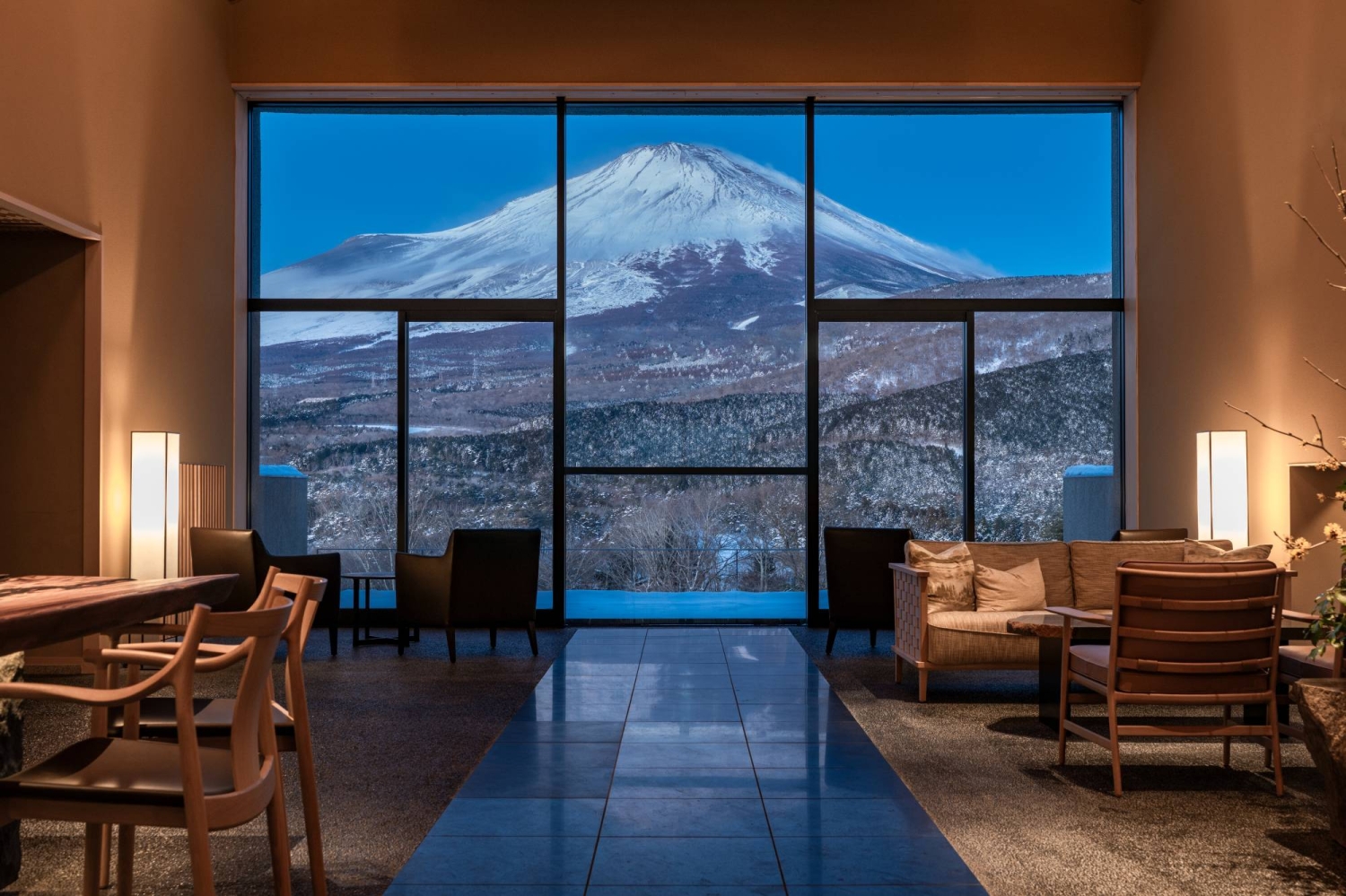
Sliding cedar lattices and tatami floorboards function through quiet domestic habits that resist portability. For centuries, the Japanese inn operated less as standard lodging than as a tightly choreographed ritual of shelter, rooted in hot springs, regional woodcraft, and seasonal menus designed around immediate geography. To strip this shelter of its native topography has long appeared contradictory. Yet according to reporting from The Japan Times Life, one of Japan's most acclaimed inns is embarking on an expansion project that might see it open up properties overseas. The move raises a fundamental operational question: can a traditional ryokan actually go global without losing the spatial logic that gave it meaning?
Hospitality groups across the Asia-Pacific region have spent decades standardising luxury, refining modular interiors that reassure international travellers through absolute predictability. Global hotel chains thrive because their service remains reassuringly identical whether encountered in Singapore, Seoul, or Bangkok. A ryokan, conversely, depends entirely on local friction and surrender. Guests do not negotiate their arrival; they yield to architectural silence, barefoot transit across woven straw, and an unhurried, predetermined sequence of bathing and dining. When an operator attempts to transplant such architecture across an ocean, the risk is not merely logistical difficulty. The deeper hazard lies in mistaking an intricate living tradition for an exportable aesthetic commodity.
The Architecture of Surrender
Supporters of outbound expansion argue that high-end hospitality has already diversified beyond Western corporate templates. Affluent travelers across Asia and the West now seek contemplative retreats over gilded lobbies, suggesting ready commercial appetite for Japanese architectural discipline abroad. If boutique brands can successfully export Scandinavian minimalism or tropical resort vernacular, an ambitious Japanese innkeeper might reasonably expect foreign audiences to embrace meditative baths and wooden verandas in overseas markets.
To strip this shelter of its native topography has long appeared contradictory.
That commercial confidence, however, underestimates how much of a ryokan's authority depends on invisible domestic infrastructure. Wood reacts to specific mountain humidity. Scent relies on native cedar, rush mats, and mineral-laden hot spring water piped directly from subterranean fissures. More critically, the host-guest dynamic of classical Japanese hospitality relies on shared, unspoken etiquette rather than explicit customer service manuals. When transplanted abroad, these delicate rituals frequently stiffen into theatrical parody. Staff members end up performing exoticism rather than maintaining authentic spatial harmony, while foreign patrons treat communal baths as novel photo backdrops rather than spaces of quiet contemplation.
Exporting Craft Versus Staging It
What makes this expansion project significant across the Asia-Pacific cultural economy is the unresolved clash between economic scaling and craft integrity. Japan faces shrinking rural populations and shifting leisure habits, driving heritage custodians to pursue foreign capital and international footprints. But true hospitality traditions do not travel easily as packaged experiences. Once a ryokan steps into global capital circuits, it enters direct competition with luxury operators adept at flattening vernacular culture into frictionless decor.
Whether an acclaimed innkeeper can preserve uncompromised hospitality on foreign terrain remains genuinely open. If the overseas venture relies merely on imported lumber and imported uniforms, it risks delivering an expensive imitation of Japanese retreat. The true trial of cross-border expansion will not be measured by international recognition, but by whether silence and restraint can hold their ground against the modern hospitality industry's demand for instant, effortless comfort.
Sources
Newsletter
Pacific Daily
A curated briefing from Thailand, Asia-Pacific and the world.