Beyond the Song: Ireland's Eurovision Boycott and the Shifting Sands of Global Culture
A second year of absence from the song contest reveals a broader pattern in cultural diplomacy.
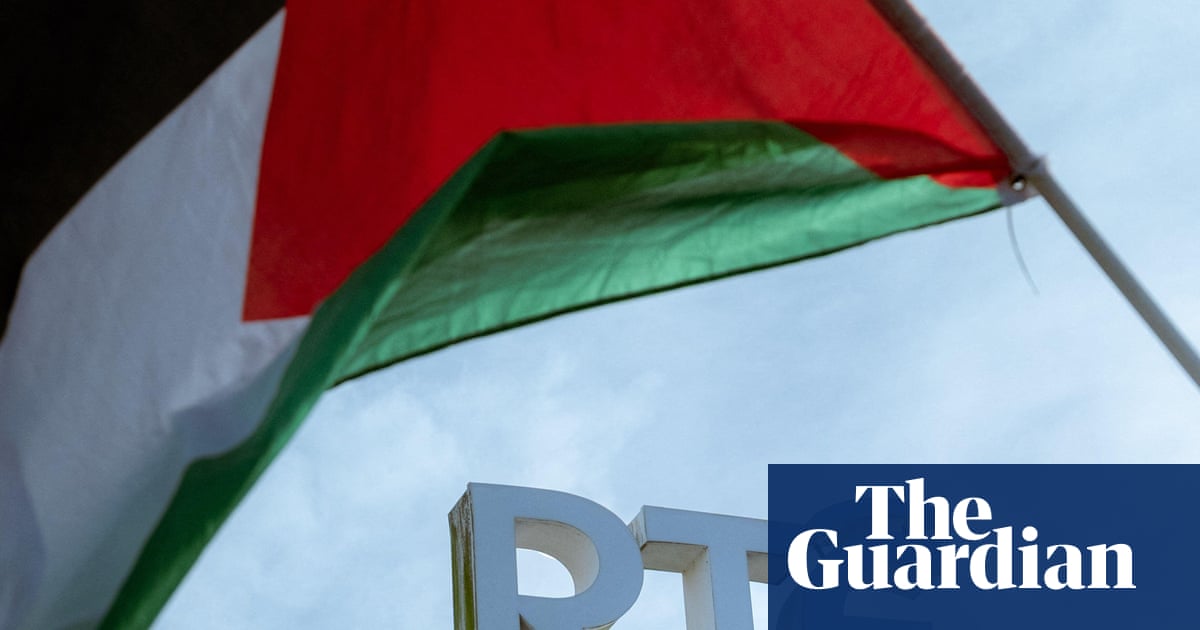
The Eurovision Song Contest, an annual spectacle often associated with glitter and pop anthems, finds itself once again at the nexus of geopolitical tension. For the second consecutive year, Ireland’s national broadcaster has declared its intention to boycott the competition, specifically the 2027 event. This decision, attributed to the “appalling” ongoing deaths in Gaza and Israel’s participation, follows a similar refusal in 2026. This previous boycott included Ireland along with Iceland, the Netherlands, Spain, and Slovenia.
Such a withdrawal from a cultural event traditionally seen as apolitical offers a lens into the increasing politicization of global platforms. The Palestinian flag, visible during protests outside Ireland’s national broadcaster RTÉ in Dublin last year, indicates a direct link between public sentiment and national policy on cultural engagement. What was once a stage for musical unity now functions, for some, as a barometer of international moral alignment.
For regions like Asia-Pacific, where cultural exchange often navigates complex political landscapes, this development carries particular resonance. Thailand, for example, participates in a range of regional and international cultural events, from film festivals to artistic collaborations. The question arises whether similar pressures, stemming from distant conflicts or domestic political currents, could begin to shape participation in these forums. The decision by a nation to leverage a cultural boycott as a diplomatic tool sets a precedent. While Eurovision operates on a different scale and history than many Asia-Pacific cultural initiatives, the underlying principle — that cultural participation is conditional on political stances — is transferable.
One might argue that Eurovision presents a unique case, distinct from the cultural dynamics of the Asia-Pacific. The immediate connections to the conflict in Gaza are geographically and historically rooted in a way that might not directly apply to, say, Southeast Asian film festivals or pan-Asian artistic exhibitions. Furthermore, the public and media engagement with Eurovision in Europe often has a different intensity than regional cultural events in Asia-Pacific, where geopolitical sensitivities, while present, may manifest differently. The scale of protest and direct attribution of the boycott to a specific conflict are hallmarks of this context.
Yet, this Irish withdrawal is not merely about a song contest; it reflects an evolution in how nations interpret their role in global cultural spaces. It is a redefinition of cultural diplomacy, moving beyond soft power to incorporate explicit moral and political stances. This shift suggests that cultural participation itself is becoming a statement, a reflection of national identity and values that can no longer be neatly separated from broader international affairs. The tension between the aspiration for cultural universality and the reality of political division continues to sharpen.
Sources
Newsletter
Pacific Daily
A curated briefing from Thailand, Asia-Pacific and the world.