The Friction of Adaptation Across the Stage and the Page
Suzie Miller's attempt to turn courtroom drama into prose exposes the limits of cross-medium adaptation
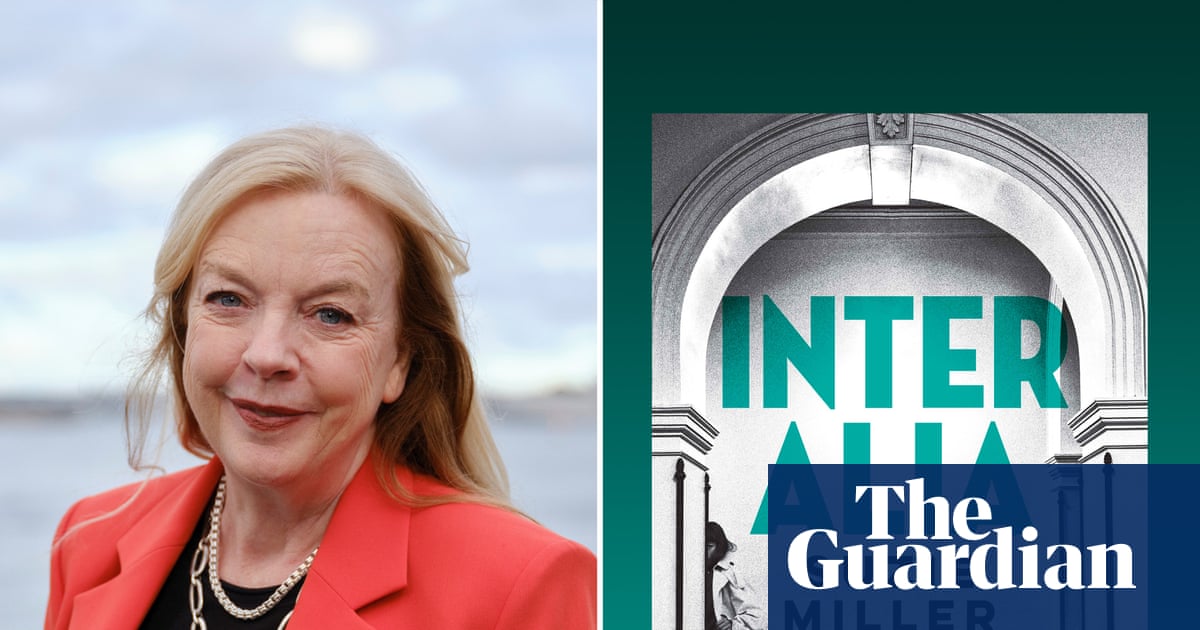
Courtroom drama draws its power from strict spatial confinement, obliging an audience to watch procedural friction unfold without the comfort of distraction. When that physical economy is dismantled to suit trade publishing, the structural tension sustaining the work readily dissipates.
Australian dramatist Suzie Miller established how potent such theatrical concentration could be with her 2019 play Prima Facie. Staged in more than 50 countries, that work mounted an unsparing interrogation of due process during rape trials, eventually securing a screen adaptation starring Cynthia Erivo. Through live performance, the production exposed institutional legal mechanics with immediate claustrophobia. Its legal mechanics trapped the viewer inside the unrelenting velocity of the legal apparatus.
Yet the reception meeting Miller's novelisation of Inter Alia, released through Pan Macmillan Australia, highlights the hazards of moving systemic critique from the stage into prose. Reviewing the book for Guardian Australia, critic Catriona Menzies-Pike asked why an accomplished playwright produced an underwhelming version of a celebrated play. Her assessment pinpointed structural padding and an ineffective narrator, noting that the expansion diluted the potency of the drama while shrinking its scope. The impulse to transform acute dramatic tension into commercial fiction frequently neutralises the precise artistic engine responsible for its original resonance.
The Cost of Structural Expansion
Live theatre imposes temporal discipline on legal trauma. A courtroom drama leaves witness testimony exposed, forcing observers to register the strain of institutional machinery in unbroken succession. Spectators cannot skip the tempo of cross-examination or soften the reality of the courtroom bench. Trade publishing, by contrast, invites descriptive inflation and internal monologues that risk dulling the edges of legal violence.
The commercial impulse to expand concentrated dramatic texts into prose often neutralises the artistic engine that made them urgent.
Expanding a dramatic script into a book demands distinct narrative mechanics. Where theatrical staging relies on absence, timing and unadorned speech, commercial fiction often leans into explanatory prose and decorative scene-setting. As Menzies-Pike observed in her evaluation, adding narrative padding blunts the acute indignation of the original work. Instead of sharpening the critique of judicial failure, excessive exposition risks turning an unyielding procedural inquiry into conventional domestic prose.
The Illusion of Portable Form
Publishing houses routinely treat acclaimed theatrical texts as intellectual properties suited for immediate reformatting. Legal dramas that interrogate institutional cruelty carry significant cultural authority across Australia. Transforming these scripts into books promises broader reach among readers who might never sit in a theatre stalls seat. Yet that distribution strategy assumes dramatic force remains unchanged regardless of the medium through which it moves.
Such commercial logic overlooks how specific mediums handle institutional power. The theatrical stage turns the law into a physical confrontation between vulnerable individuals and rigid state rituals. Long-form prose requires a sustained architecture of its own, capable of constructing that same systemic pressure through literary discipline rather than relying on the ghost of a prior stage performance. When a novelisation merely attaches descriptive bulk to an existing dramatic framework, the political urgency of the original script recedes.
Miller's creative trajectory demonstrates what happens when an urgent institutional indictment is treated as easily transferable content. Courtrooms and judicial processes across legal systems remain notoriously indifferent to reform. Diluting their examination into comfortable reading risks diminishing the argument at the exact moment it demands unyielding clarity.
Sources
Newsletter
Pacific Daily
A curated briefing from Thailand, Asia-Pacific and the world.