The Silent Stage: When Cultural Figures Speak Through Absence
A shift in how audiences interpret celebrity neutrality signals a new dynamic for the Asia-Pacific cultural landscape.
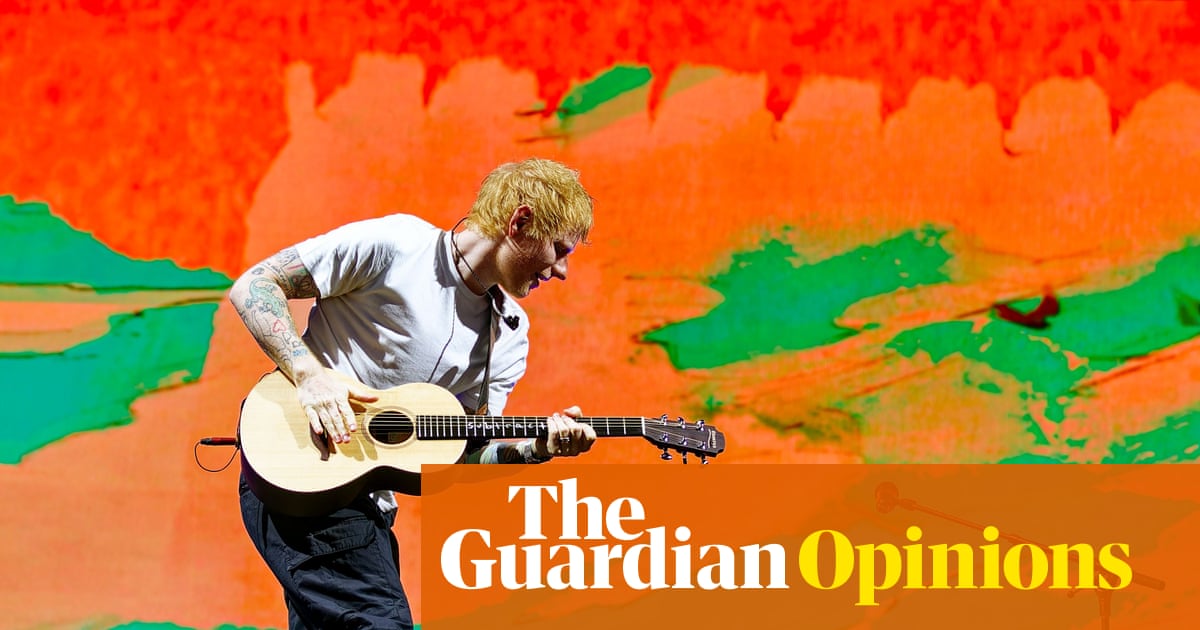
A stage stands empty, not due to technical failure or scheduling conflict, but by choice. This is the scene unfolding around the Loop tour, where support acts have steadily withdrawn, leaving a notable void. It began with the rapper Macklemore, dropped from the lineup on Monday. Subsequently, Finneas O’Connell, an artist slated to open for Ed Sheeran, announced his withdrawal on Tuesday, stating, “Artists must not be silenced when they speak up for the oppressed. I stand with Palestine and its people.” Other opening acts have followed, creating a ripple effect of departures.
This series of cancellations, ostensibly related to a star’s attempts to remain apolitical, is more than a logistical challenge for a concert promoter. It registers as a distinct cultural signal. In the past, the absence of comment from a prominent figure, or a deliberate sidestepping of political issues, might have been interpreted as maintaining universal appeal. For some audiences, this approach still holds merit, allowing cultural consumption without the burden of ideological alignment. The current moment, however, suggests a re-evaluation of this neutrality. The very act of attempting to avoid a stance is now, for a segment of the audience, perceived as a stance in itself.
Consider the implications for performance spaces and cultural events across the Asia-Pacific. While the specific political context in the Guardian Australia report from 2026-09-17 involves a particular geopolitical situation, the underlying dynamic — that of artists and audiences demanding more than just entertainment — is universally applicable. In Thailand, for instance, public figures navigating complex social and political sensitivities have historically found refuge in a cautious silence. This incident suggests that such a position may become increasingly untenable for those whose platforms are large enough to be seen as influential. The pressure now appears to emanate not only from external activist groups but from within the artistic community itself, and from the audience, who, by their choices, define the value of cultural engagement.
This shift challenges established norms of artistic conduct. A stadium owner, focused on securing talent and managing logistics, would typically expect artists to deliver their performance without disrupting the broader commercial enterprise. When the choices of support acts or the main artist themselves begin to dictate the viability of the entire event, it reflects a growing power of collective, principled action within the cultural sphere. The economic impact of such withdrawals is a verifiable fact, altering tour schedules and revenue projections. What remains less quantifiable, but equally significant, is the recalibration of audience expectations. The expectation now, for some, is that cultural expression is inherently intertwined with ethical positions.
It is reasonable to argue that for many, a concert remains primarily an escape, a space for shared enjoyment regardless of the performers' political leanings. This perspective suggests that focusing on an artist's personal views detracts from the art itself, and that forcing political declarations risks alienating a broad base of fans who simply seek entertainment. Such an argument holds that the primary role of a performer is to perform, not to serve as a political commentator. However, the current cancellations indicate that for a growing number of stakeholders – artists included – the act of performance is no longer separable from the broader context in which it occurs. The quiet stage, once a symbol of anticipation, now speaks volumes about evolving cultural mandates.
Sources
Newsletter
Pacific Daily
A curated briefing from Thailand, Asia-Pacific and the world.