The Political Price of Gas: British Columbia's Tax Cut Echoes Distant Shores
A provincial promise to lower fuel costs in Canada reveals a deeper societal expectation that government can, and should, shield consumers from global market forces, a sentiment familiar across the Pacific.
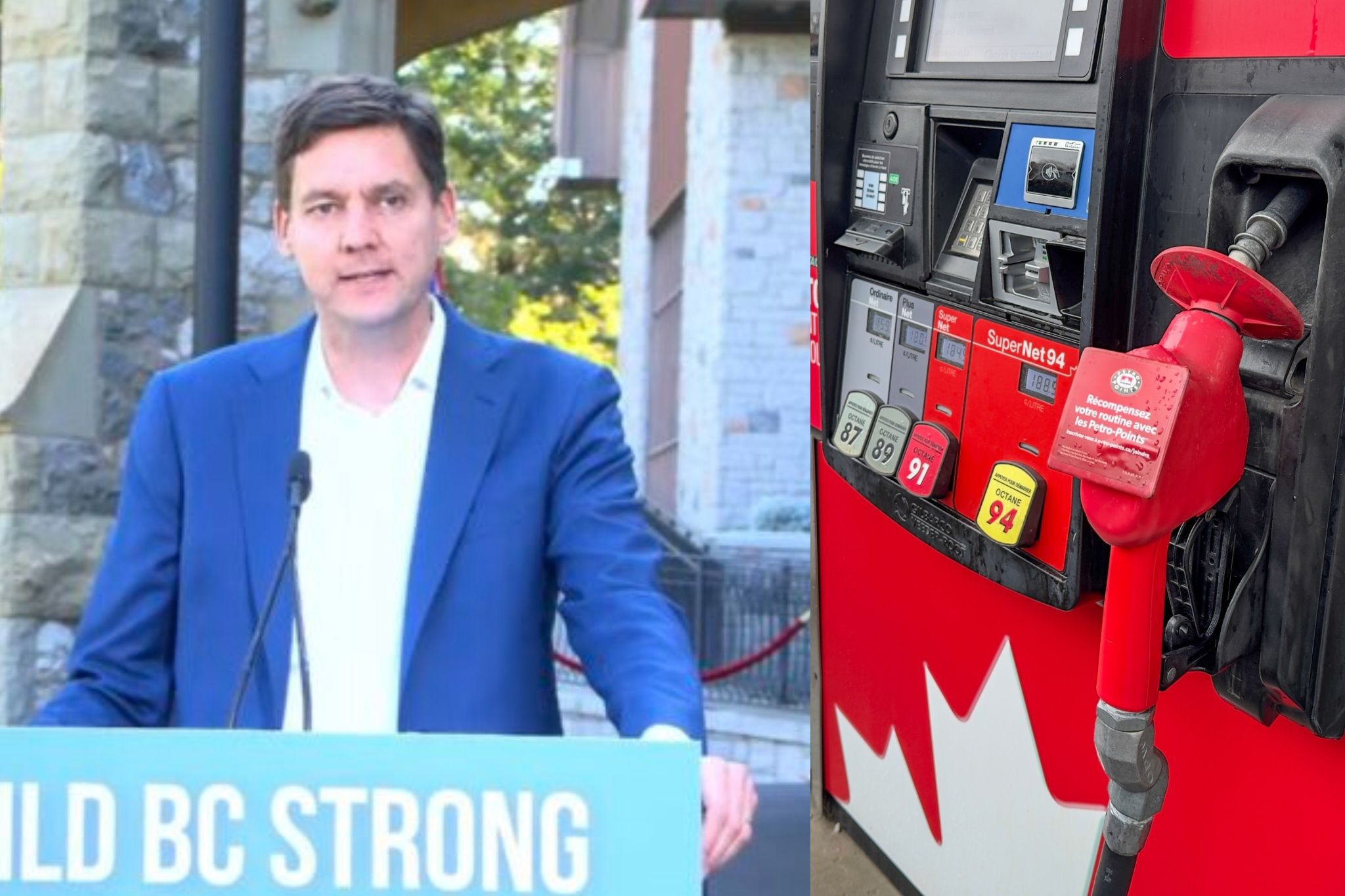
The announcement by British Columbia’s Premier David Eby on October 1, 2026, promising a cut of 10 cents per litre on provincial taxes for gas and diesel, alongside actions against price gouging by oil and gas companies, is a direct response to a deeply felt consumer frustration. This proposed two-pronged plan, projected to save drivers up to 30 cents per litre or approximately $20 on an average tank of gas if the NDP is re-elected, offers immediate relief at the pump. Yet, the reaction, as reported by Daily Hive Vancouver on October 2, 2026, has been one of “fierce criticism,” labeling the move as “too little, too late.” Such a response highlights the often-complex relationship between public expectation, economic reality, and political action.
This immediate public discontent, despite the prospect of tangible savings, reflects a cultural undercurrent: the belief that the state holds the ultimate responsibility for economic comfort, even in the face of global commodity prices. The political calculus behind such a pledge – made during an election cycle and offering “immediate relief” – acknowledges this expectation. Voters are often asked to weigh direct personal savings against broader economic principles, and in the moment, the former often carries more weight. The criticism implies that the issue of fuel costs has festered, suggesting that a measure once seen as substantial now appears insufficient against a backdrop of prolonged economic strain.
Looking across the Pacific, particularly to a nation like Thailand, similar patterns of consumer sentiment and governmental intervention in fuel prices are routinely observed. While the specific mechanisms differ, the underlying tension remains consistent: governments are frequently pressured to mitigate the impact of volatile global oil markets on everyday citizens. Whether through subsidies, price caps, or tax adjustments, the expectation for state protection against economic shocks is a recurring theme. The challenge for leaders in both contexts is balancing fiscal prudence with the political imperative to appear responsive and protective of the public’s purchasing power.
Canada itself is no stranger to the complexities of oil and gas. The nation's ambitions have recently been tested by an oil pipeline feud, as reported by the BBC on November 17, 2025. Discussions around pipeline deals and regional sovereignty, like those involving Alberta separatists and US officials in January 2026, demonstrate the deep-seated economic and political factors that shape energy policy. These broader national and international energy dynamics often complicate local efforts to manage consumer costs, creating a disconnect between the immediate, localized relief promised by politicians and the more intractable, global forces at play. The British Columbia situation, therefore, serves as a localized manifestation of a much wider, culturally ingrained habit: the desire for stability and predictability in essential daily expenses, and the assumption that political will can bend market realities to achieve it.
The swift dismissal of Eby's proposal in British Columbia suggests that the perceived value of such interventions is not just about the monetary amount, but also about timing and the depth of the public’s accumulated frustration. A measure that might have been welcomed enthusiastically at an earlier stage is now met with cynicism, indicating a shift in public trust and a heightened demand for more comprehensive solutions. This dynamic, where the effectiveness of a policy is judged not only by its economic outcome but also by its symbolic weight and perceived sincerity, resonates far beyond Canada’s western coast. It points to a pervasive human tendency to seek security in a world where economic variables often feel beyond individual control.
Sources
Newsletter
Pacific Daily
A curated briefing from Thailand, Asia-Pacific and the world.