The Loyalty Mechanism: A Closer Look at Convenience Store Strategy
Circle K's 'Road to Rewards' program in Canada offers a blueprint for cultivating customer habit, raising questions about its application and cost in Asia-Pacific markets.
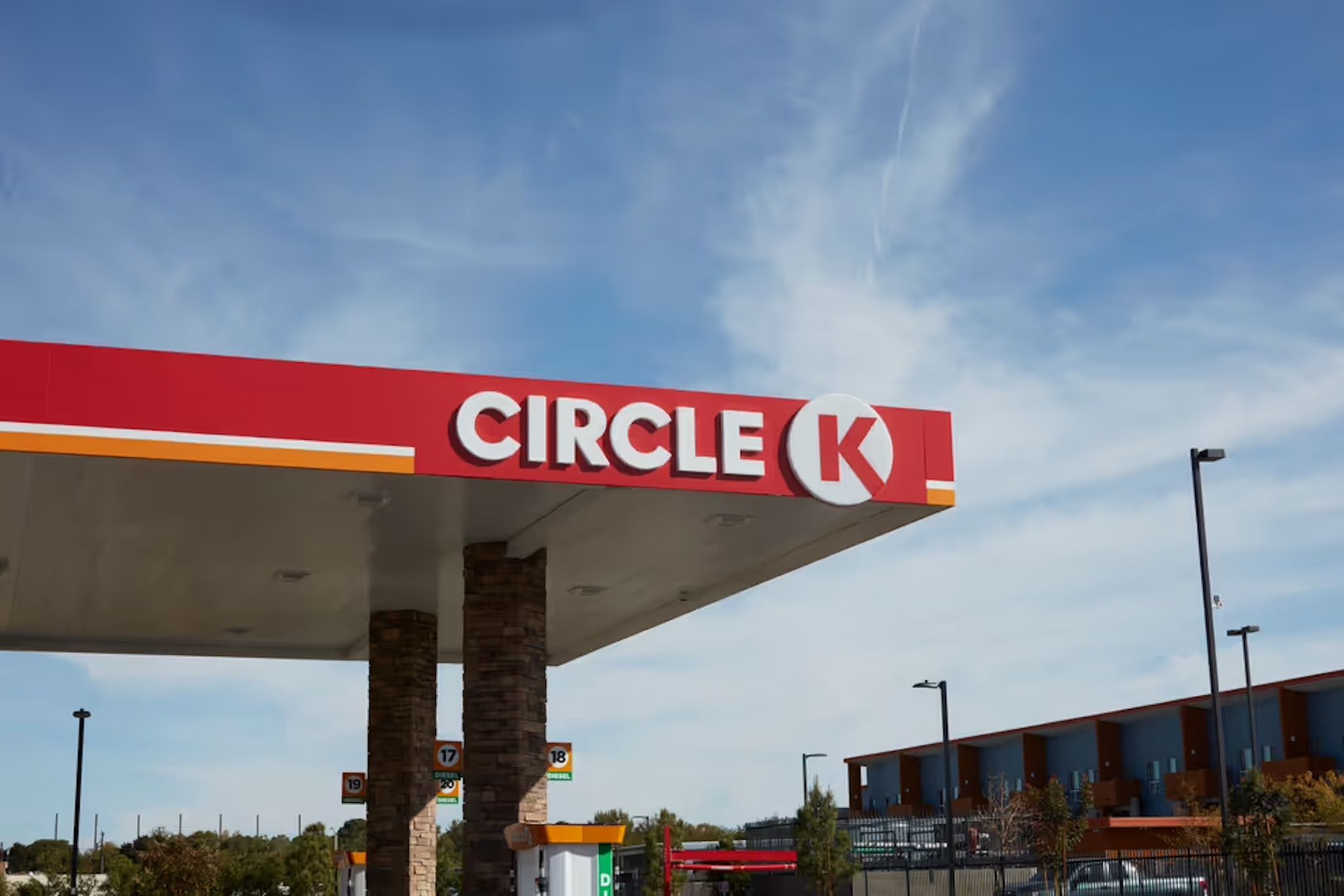
Circle K Canada's 'Road to Rewards' program frames daily errands as opportunities for prizes. From September 15 to November 9, customers making in-store non-fuel purchases of at least $5 qualify for rewards on their 3rd, 5th, 7th, 10th, 13th, and 15th visits. This system, reported by Daily Hive Vancouver on September 15, 2026, aims to convert incidental visits into a consistent consumer pattern, a 'pilgrimage,' as the source describes it.
This initiative functions as a data-driven strategy to influence consumer behavior. It goes beyond simple discounts, establishing a gamified incentive structure for repeated engagement. The program rewards specific visit milestones, not cumulative spending, which prioritizes visit frequency. This approach can be particularly effective in markets where convenience stores serve as frequent points of contact for routine needs, such as acquiring 'tanks of gas' or 'refreshing drinks.' The underlying technique is less about the inherent appeal of the product and more about conditioning the purchasing routine itself. It seeks to establish a predictable customer pattern, moving from occasional interaction to habitual commitment.
The implications for regions like Thailand and the wider Asia-Pacific warrant consideration. In these markets, convenience store networks are often extensively integrated into daily life. The concentration of these outlets, combined with a high volume of small-ticket transactions, creates an environment conducive to such loyalty programs. Should this Canadian model prove effective in transforming casual customers into 'dedicated' ones through a structured reward system, it could serve as a template for regional operators focused on enhancing customer retention and value over time.
However, the strategy's limitations require examination. The efficacy of such a program depends heavily on the perceived desirability of the 'exclusive prizes' and the ease of participation. If the rewards lack appeal, or if the registration process presents a barrier, the incentive to alter behavior diminishes. The program also implicitly relies on customer data collection to track visits and spending, which raises considerations regarding data privacy and consumer trust, especially in regions with diverse regulatory landscapes. A focus on 'dedicated customers' might unintentionally marginalize consumers who value flexibility over commitment to a single retailer, or who view the pursuit of minor rewards as an unwelcome cognitive effort.
While the 'Road to Rewards' seeks to embed Circle K deeper into the daily habits of Canadian consumers, its direct replication and sustained success in Asia-Pacific markets are not assured. The technique's actual effectiveness will ultimately be determined by local consumer psychology, the competitive environment, and the operators' capacity to maintain a reward system that genuinely resonates without becoming an unmanageable financial burden. The unresolved constraint remains whether the allure of 'prizes' can consistently outweigh the intrinsic convenience and varied offerings of competitors, or if it will simply generate transient engagement tied to specific promotional cycles.
Sources
Newsletter
Pacific Daily
A curated briefing from Thailand, Asia-Pacific and the world.