The Peripheral Dilemma Facing Japan's Regional Economy
Campaigns promoting leisure dispersal to Shikoku reveal the structural friction between metropolitan concentration along the Tokyo-Osaka-Kyoto corridor and the economic realities of outer prefectures.
SINGAPORE
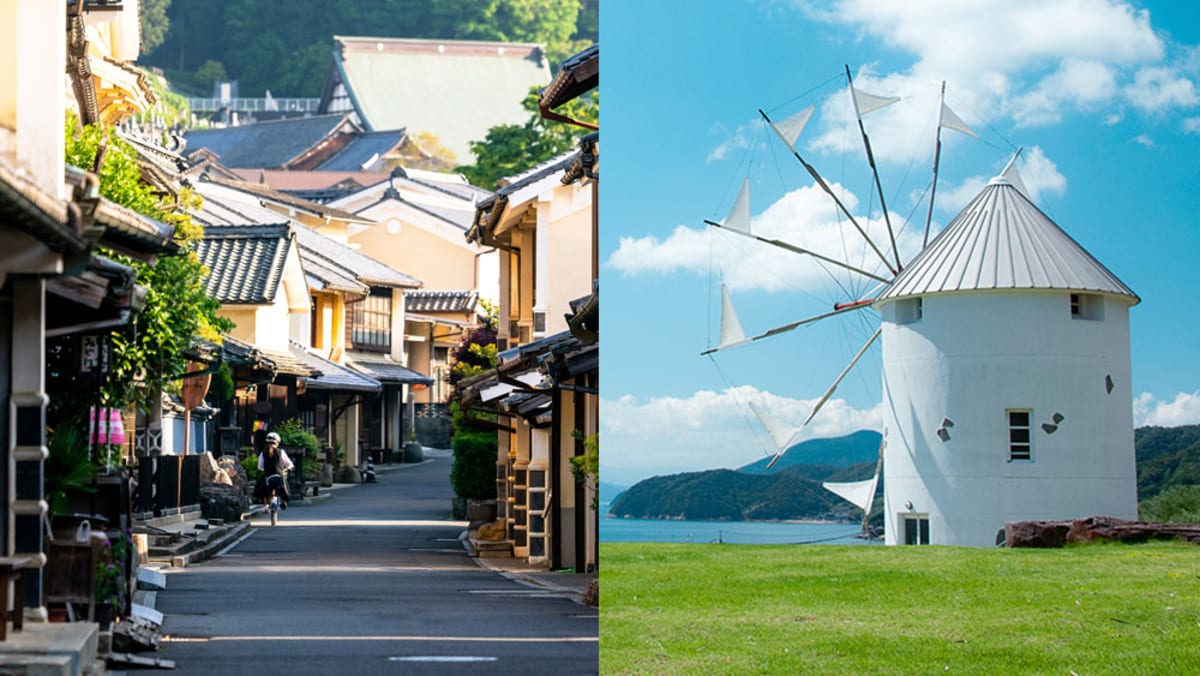
Metropolitan concentration along the Tokyo-Osaka-Kyoto corridor has long determined the distribution of capital and human traffic across Japan, relegating outlying islands to secondary economic status. Peripheral prefectures have absorbed the compounding pressures of an aging population and fiscal retrenchment as resources consolidated in primary urban centres. Against this historical trajectory, commercial and municipal entities now promote geographic dispersal toward Shikoku, identified as Japan's smallest main island. Material published through Brand Studio by Channel News Asia in October 2026 presents the territory as an antidote to urban density, directing attention toward restful nature walks, centuries-old crafts, and coastal hamlets in Kagawa and Ehime. Yet marketing narratives invariably outpace institutional reality. The promotion of pastoral ease does not resolve the structural deficits confronting secondary island economies.
Evaluating this shift requires distinguishing between promotional messaging and tangible regional capability. When the Uchiko Tourism Association in Ehime features preserved historic townscapes, or campaigns highlight seaside stays across Kagawa, municipal planners seek to convert heritage conservation into sustainable balance sheets. Craft maintenance and architectural preservation demand continuous municipal financing. Occasional travelers, however, yield volatile seasonal returns. A visitor may value quiet streets. That quietude, however, frequently reflects decades of outmigration rather than an engineered leisure environment. The policy intention aims at economic revitalisation, but an influx of leisure visitors provides neither the steady fiscal revenues nor the skilled young workforce required to maintain public services over decades.
Structural Limits of Island Logistics
Logistical friction remains the decisive constraint.
Secondary island prefectures cannot duplicate the dense transportation grids that sustain Honshu’s primary trunk routes. While fixed rail and highway networks link Shikoku across the Inland Sea to the main island, local transit lines thin out rapidly once travelers move beyond prefectural administrative seats. Pacing is not merely a lifestyle recommendation. Slower transit is an inevitable operational consequence of reduced service frequencies and depopulated routes. Local councils face an intractable budgeting trade-off: subsidising underutilised peripheral transport links to accommodate international visitors or reallocating finite prefectural funds toward elderly healthcare and domestic public services. When industry trackers such as Skyscanner’s Travel Trends identify broadening consumer interest across the Asia-Pacific, regional administrators may interpret the interest as a structural turning point. But interest alone generates no permanent tax base without sustained capital investment and localized industry.
Regional Precedents and Peripheral Economics
The structural tension visible in Shikoku mirrors an administrative challenge evident across the wider Asia-Pacific. From island peripheries in East Asia to rural provinces across Southeast Asia, central governments routinely attempt to redistribute tourist revenue away from congested capital hubs. Peripheral dispersal is promoted as a dual remedy for urban saturation and rural decline. Such initiatives, however, consistently underestimate the overhead needed to support dispersed international footfall. Rural municipalities lack the administrative capacity, language interpretation networks, and localized enterprise scale required to absorb sudden influxes without straining existing public works.
Dispersal policies that rely on lifestyle branding leave fundamental demographic and industrial imbalances untouched. Promotional campaigns can momentarily channel external expenditure into Kagawa and Ehime, but temporary receipts cannot reverse generational depopulation or replace institutional payrolls. The enduring constraint for Shikoku lies in the unbridgeable gap between tourism marketing and regional economic viability. Until peripheral territories establish self-sustaining enterprise capabilities beyond seasonal consumption, the central metropolitan corridor will continue to command the nation's financial and demographic future.
Sources
Newsletter
Pacific Daily
A curated briefing from Thailand, Asia-Pacific and the world.