The Golden Years Abroad: Navigating Asia-Pacific's Retirement Visas
For those dreaming of a permanent expat retirement, the Asia-Pacific region beckons with vibrant cultures and lower costs of living. But securing a long-term stay is a labyrinth best navigated with foresight and an understanding of each nation's unique demands.
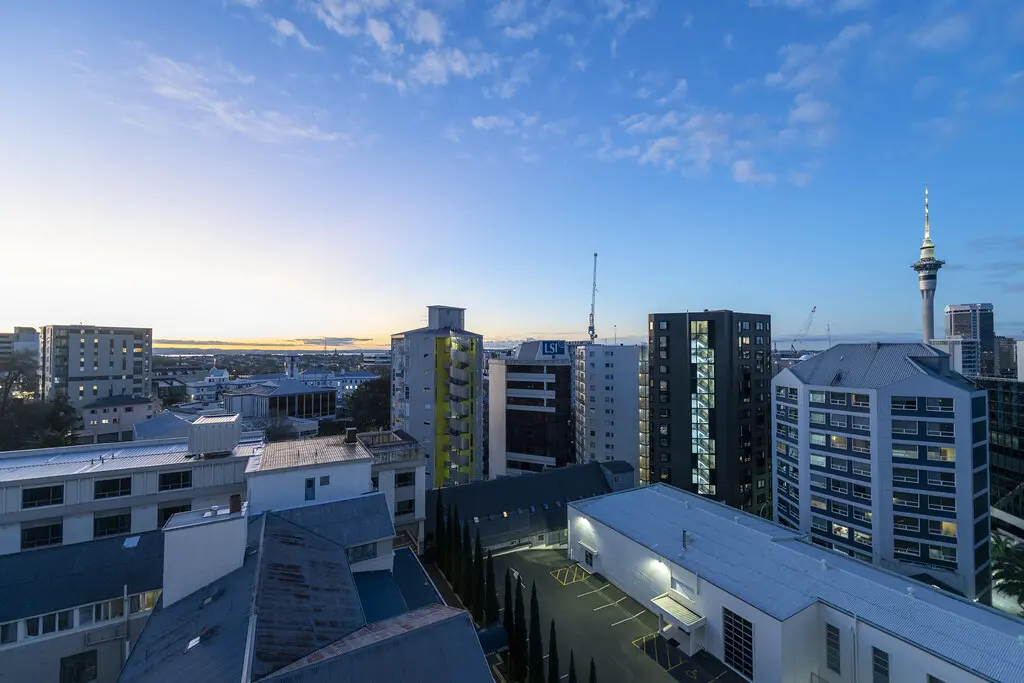
SINGAPORE
As the global population ages, an increasing number of Western retirees are casting their gaze eastward, seeking not just a vacation home, but a permanent haven in the Asia-Pacific. From the tropical shores of Thailand to the bustling metropolises of Malaysia, the allure is undeniable: a lower cost of living, access to quality healthcare, and a rich tapestry of cultural experiences. Yet, the path to long-term residency, particularly for those not seeking employment, is paved with specific and often stringent visa requirements. Understanding these nuances is paramount for a successful and sustainable retirement abroad.
Thailand, long a magnet for expatriates, offers its Non-Immigrant O-A (Long Stay) visa, commonly known as the retirement visa. The primary requirements are straightforward: applicants must be 50 years or older, demonstrate financial stability with 800,000 THB in a Thai bank account (or a monthly income of 65,000 THB), and have no criminal record. While seemingly accessible, the annual renewal process, coupled with the need to report every 90 days, can become a bureaucratic burden for some. Recent adjustments, such as stricter scrutiny on bank statements and sources of income, suggest a tightening of policy, reflecting a desire to attract wealthier, more self-sufficient retirees rather than those simply seeking a cheaper existence. For many, Thailand remains a top choice, but its hospitality comes with a persistent administrative engagement.
Malaysia, another regional favorite, stands out with its Malaysia My Second Home (MM2H) program. This initiative, designed specifically for long-term residency, offers a 10-year multiple-entry visa. The financial thresholds are higher than Thailand's, but the benefits often outweigh the initial outlay for those who qualify. Applicants under 50 years old must show liquid assets of RM500,000 and a monthly offshore income of RM10,000; those over 50 require RM350,000 in liquid assets and RM10,000 monthly income. A fixed deposit must also be maintained (RM300,000 for under 50, RM150,000 for over 50). MM2H holders enjoy duty-free import of personal cars, domestic help, and even property purchase privileges. The program's recent suspension and subsequent relaunch with more stringent requirements, including higher income thresholds and proof of global assets, signals a pivot towards attracting high-net-worth individuals, making it less accessible for those with more modest savings. This evolution, while perhaps limiting, underscores Malaysia's commitment to quality over quantity in its expat community.
Emerging Destinations and Niche Programs
Beyond these established hubs, other Asia-Pacific nations are refining their offerings. The Philippines, for instance, provides the Special Resident Retiree's Visa (SRRV) through its Philippine Retirement Authority. It's broadly categorized, with options like SRRV Smile (for active retirees, requiring a US$1,500 deposit) and SRRV Human Touch (for those needing medical assistance, US$10,000 deposit and a pension). These are attractive for their comparatively lower financial entry points and a more relaxed attitude towards renewals, although bureaucratic delays can test patience. Crucially, the SRRV allows holders to live, work, and study in the Philippines, a flexibility not often found in pure retirement visas.
Indonesia, particularly Bali, holds perennial appeal, yet a dedicated, straightforward retirement visa remains elusive for many. While a Non-Immigrant Retirement Visa exists for those 55+, it often requires sponsorship by a local entity or agency, adding a layer of complexity and cost. Furthermore, proving a consistent, adequate income without the ability to work locally can be a hurdle. Conversely, Vietnam, despite its growing popularity, lacks a formal, long-term retirement visa program, often requiring retirees to rely on renewable tourist or business visas, a far less secure arrangement for permanent settlement.
"The true cost of a retirement visa isn't just the deposit; it's the ongoing administrative burden and the ever-present uncertainty of policy shifts."
The Unspoken Costs: Flexibility and Foresight
What emerges from this comparative analysis is a clear pattern: nations are increasingly seeking self-sufficient, high-value retirees. The era of securing a lifelong, low-hassle retirement visa with minimal savings is, in most cases, drawing to a close. For prospective retirees, the critical takeaway is not just about meeting the initial financial criteria, but understanding the implicit costs: the time and effort for annual renewals, the need to adapt to policy changes, and the often-overlooked requirement of maintaining a local bank account and proving income year after year. The 'golden years' abroad demand more than just a passport and a pension; they require strategic planning, legal counsel, and a resilient approach to bureaucracy. The dream of a tranquil Asian retirement is very much alive, but it now demands a more robust and informed commitment than ever before.
Newsletter
Pacific Daily
A curated briefing from Thailand, Asia-Pacific and the world.