Shrine Insolvency in Japan Signals Broader Regional Strain
The financial distress of a Japanese shrine, the third in the country's history, points to economic pressures with potential implications for cultural institutions across the Asia-Pacific.
SINGAPORE
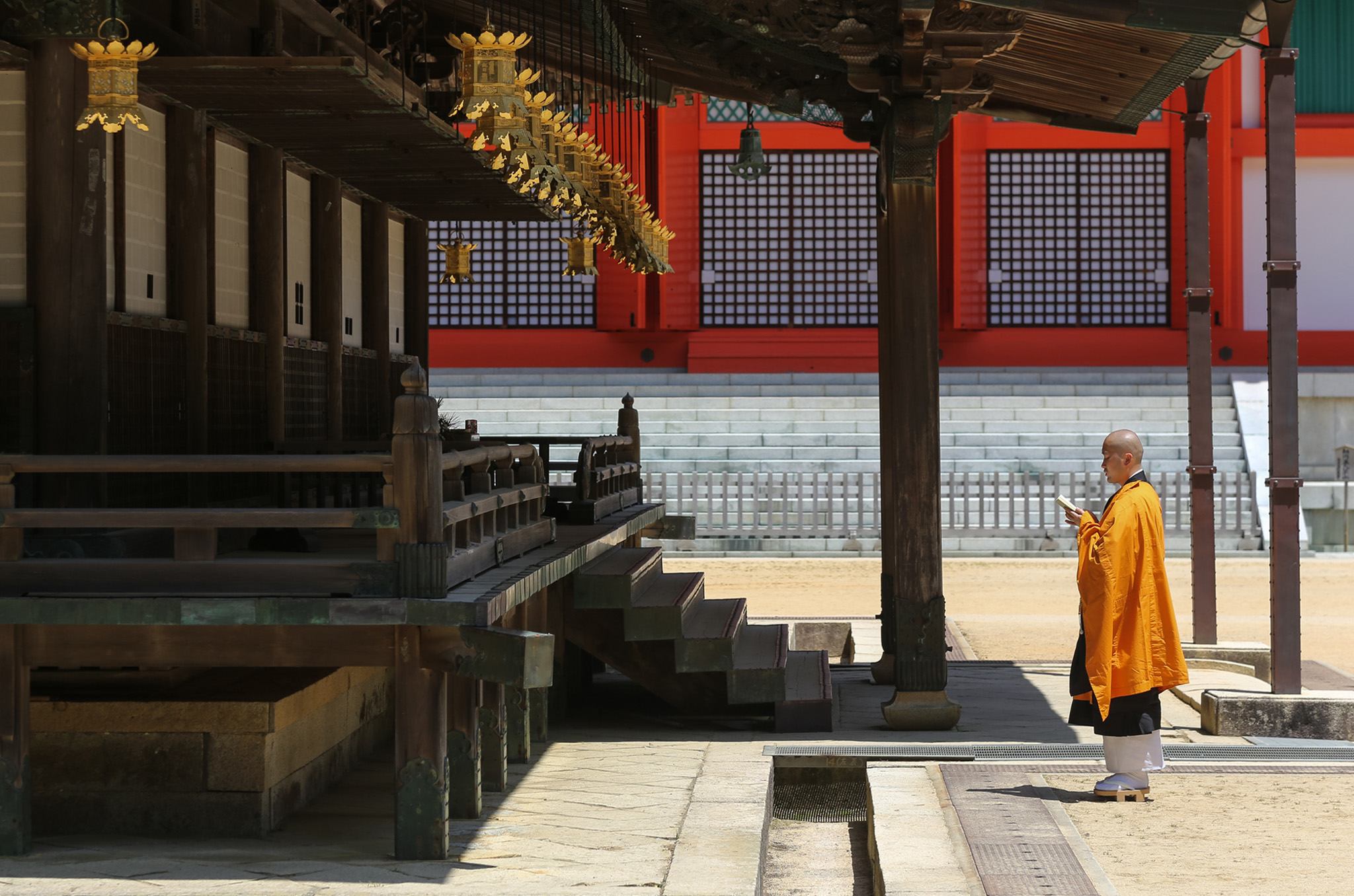
Tada Shrine in Kawanishi, Hyogo Prefecture, recently filed for civil rehabilitation, Japan's equivalent of Chapter 11 bankruptcy protection. Reported on September 17, 2026, this event marks the third time a shrine in Japan has become insolvent. Tokyo Weekender highlighted this as a significant development, but the specific financial data behind this insolvency is not detailed.
This development raises questions about the financial resilience of traditional institutions, particularly those reliant on local support and economic stability. The Asia-Pacific region, including Thailand, is home to numerous cultural and religious sites that face similar challenges to their long-term sustainability. Without specific financial metrics for Tada Shrine, it is difficult to determine if its insolvency stems from declining local donations, changes in visitor patterns, or broader economic shifts.
Indeed, the region is navigating complex economic currents. Japan itself has seen joint interventions with the US regarding the yen, as reported on August 3, 2026. Japan’s Jogmec is also weighing stake sales in Asia-Pacific LNG projects, as reported by Bloomberg.com. Furthermore, China's image in the region was a subject of analysis by the Pew Research Center, and China-Japan relations have faced 'troubled waters' according to East Asia Forum. These macroeconomic factors represent underlying conditions that could strain traditional institutions, even if not directly linked to Tada Shrine's financial state in the provided information.
However, the insolvency of one shrine, or even three, does not conclusively establish a widespread crisis for all religious or cultural institutions in Japan or the broader Asia-Pacific. Many institutions may be adapting successfully, as suggested by the Tokyo Weekender's headline. The specific adaptations or their success rates are not detailed in the available information. Therefore, predicting a wave of insolvencies across Thailand or other Asia-Pacific nations based solely on this Japanese case remains an inference, not a direct statistical projection. The primary evidence remains the filing for civil rehabilitation by Tada Shrine.
The outcome now depends on whether similar financial distress becomes evident in a statistically significant number of comparable institutions across the region, with documented financial challenges beyond anecdotal cases.
Sources
Newsletter
Pacific Daily
A curated briefing from Thailand, Asia-Pacific and the world.