The Global Pop Palette: How a Pink Soda Crosses Borders
A limited-time beverage collaboration signals shifts in celebrity marketing and global consumption patterns, affecting local markets.
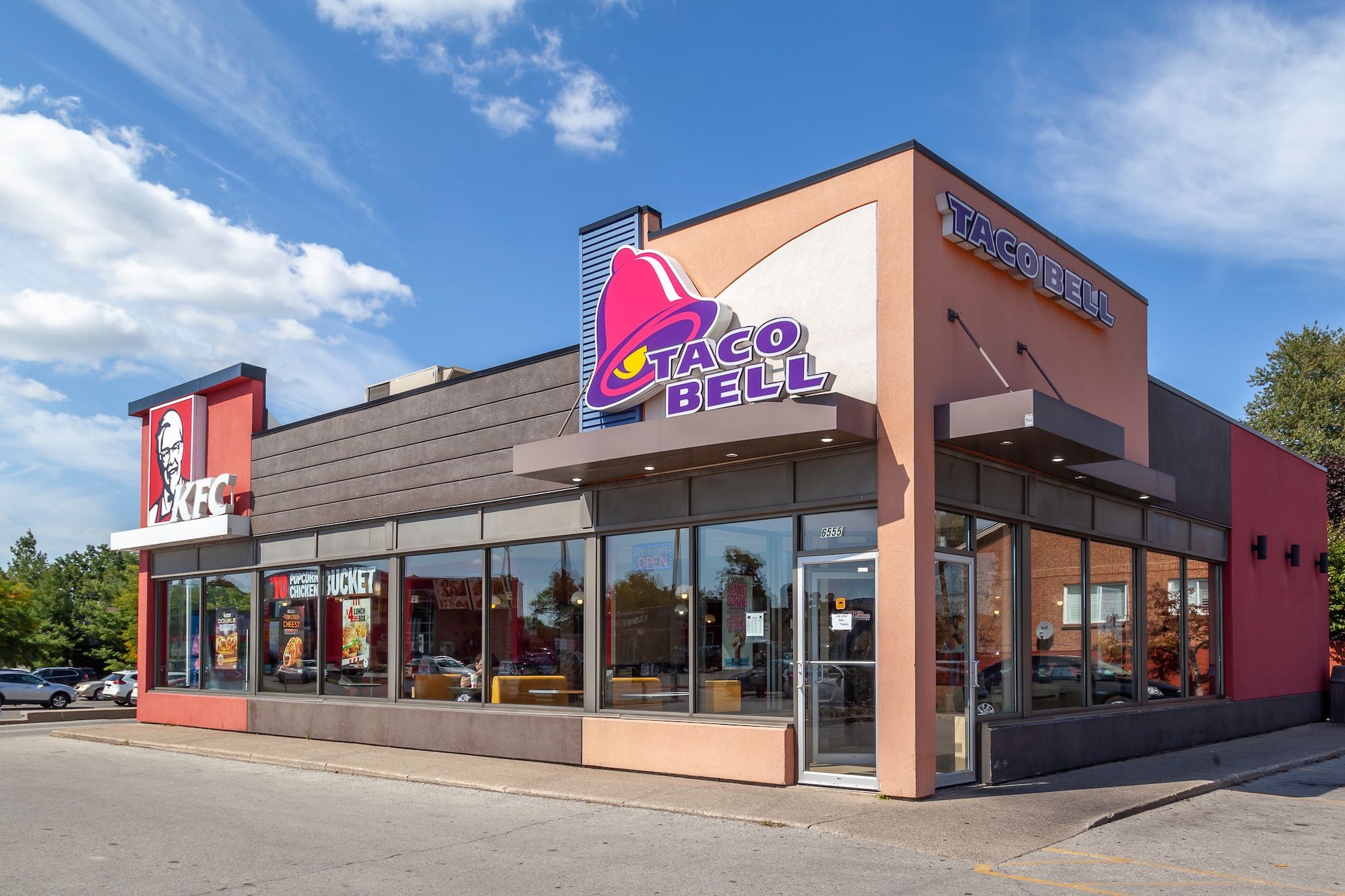
A new pink lemonade-infused soda from Taco Bell, "You Seem Pretty Pink for a Baja Blast," has launched across Canada, following its debut at select U.S. locations and Olivia Rodrigo’s Daisy Chain Fields festival. This limited-time offering, available from October 1, blends the classic tropical lime Baja Blast flavor with pink lemonade. It emerges just months after the global chain introduced its first Mountain Dew Baja Blast variation in two decades.
Such beverage introductions, leveraging pop culture figures, illuminate how global brands navigate markets by localizing their appeal while maintaining a core identity. The partnership with Olivia Rodrigo, a singer known for "drivers license," suggests a deliberate strategy to connect with a specific youth demographic, using celebrity influence to drive rapid, temporary demand. This mirrors broader trends in the Asia-Pacific, where global food and beverage companies frequently adapt their products or marketing to local tastes and cultural touchstones. The immediate scarcity of a limited-time product, coupled with its pop culture tie-in, fosters a sense of urgency among consumers, encouraging quick adoption and social media engagement.
While this particular drink is currently available in Canada, the blueprint for its launch holds implications for markets like Thailand. Global fast-food chains operating in Southeast Asia often introduce novel menu items, sometimes developed in collaboration with regional celebrities or tailored to local flavor preferences, before rolling them out more broadly. These innovations serve not only to refresh brand perception but also to test market receptiveness to new flavor profiles and marketing approaches. The "Pretty Pink Baja Blast" is a Western example of this global strategy, where a new twist on a known product is amplified by a prominent cultural figure.
However, the success of such a product depends heavily on cultural resonance and brand loyalty, which can vary significantly across regions. A direct import of this celebrity partnership might not yield the same results in Bangkok as it would in Vancouver. Local market dynamics, including prevailing taste preferences and the prominence of local or regional celebrities, often dictate the effectiveness of such campaigns. The challenge for brands becomes identifying the right cultural signals and partners to achieve similar viral success, rather than simply replicating a formula.
What this Canadian launch ultimately highlights is a pervasive marketing model: the strategic fusion of global pop culture with fast-moving consumer goods. It is a model designed to capture fleeting attention and generate immediate sales through novelty and celebrity endorsement. For consumers in cities like Phuket or Chiang Mai, these rapid-fire, limited-edition product cycles contribute to a landscape of constant newness, shaping consumption habits around discovery and immediate gratification.
Sources
Newsletter
Pacific Daily
A curated briefing from Thailand, Asia-Pacific and the world.