The Global Catch: Navigating the Ethical Tides of Seafood
From Scandinavian fjords to Vietnamese Mekong Delta, Hannah Brooks dives deep into what it truly means to eat seafood responsibly in a world of complex supply chains.
As an Expat Life Correspondent for Pacific Press, my palate has crisscrossed continents, sampling everything from street food delights to Michelin-starred marvels. But lately, my fascination, and frankly, my concern, has landed squarely on seafood. Not just the taste, but the story behind it – a narrative often murky, sometimes troubling, yet increasingly hopeful.
The global appetite for seafood is insatiable, and rightly so; it's a vital protein source for billions. Yet, this demand has pushed our oceans to their limits, spawning a crisis of overfishing, habitat destruction, and, regrettably, human rights abuses within opaque supply chains. The challenge for discerning consumers, and for me on the taste desk, is to navigate this vast, interconnected web to find truly ethical options.
Take Scandinavia, for instance. A region often heralded as a paragon of sustainability, particularly Norway, which has long prided itself on its responsible fisheries management. My recent reporting trip to the Lofoten Islands offered a compelling glimpse. Here, the ancestral practice of cod fishing is rigorously managed. Quotas are science-based, vessels are monitored with electronic logbooks, and bycatch reduction devices are mandated. The iconic Arctic cod fishery, which supplies much of Europe's bacalao and fresh fillets, operates under a system designed not just for present yield but for future abundance. It's a testament to robust governmental oversight, long-term industry commitment, and a culture that intrinsically values its marine resources. You see it in the small-scale, family-run boats that have fished these waters for generations, understanding that their livelihood depends on the health of the stock. It’s not perfect – no system is – but the intent and execution are undeniably progressive.
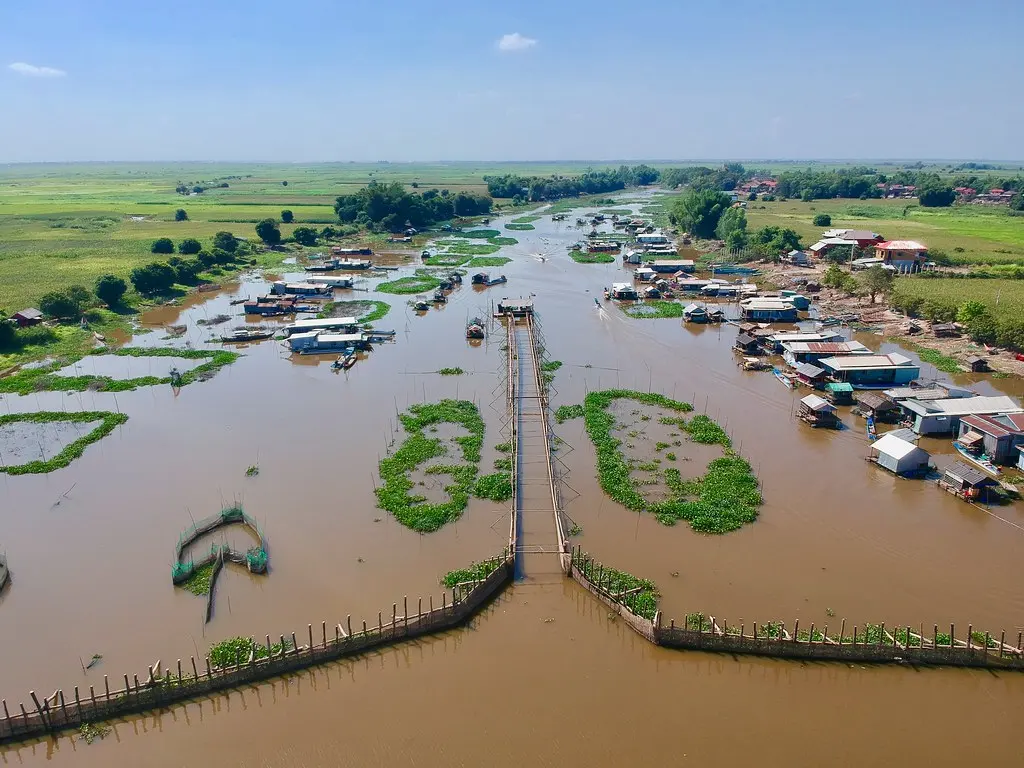
Across the globe, in the bustling deltas of Vietnam, a different kind of seafood revolution is quietly underway. Aquaculture, once seen as a problematic alternative to wild-capture fisheries due to issues like antibiotic overuse, mangrove destruction, and effluent pollution, is increasingly transforming. Vietnam, a powerhouse in seafood exports, particularly for pangasius (Basa/Swai) and shrimp, has been at the forefront of adopting more responsible practices. My conversations with farmers in the Mekong Delta revealed a concerted effort towards certification schemes like ASC (Aquaculture Stewardship Council) and GlobalGAP. These certifications aren't just labels; they represent tangible shifts: reduced stocking densities to minimize disease, integrated waste management systems, strict controls on antibiotic use, and improved labor conditions for farm workers. One shrimp farmer, Ms. Mai, proudly showed me her biofloc ponds, a recirculating aquaculture system that drastically reduces water exchange and nutrient discharge. "It's more work, yes," she admitted through an interpreter, "but the shrimp are healthier, the environment is cleaner, and our buyers demand it." This 'demand it' is the critical lever. As consumers and retailers insist on certified products, the industry responds.
The Consumer's Role and Supply Chain Transparency
The journey from ocean or pond to plate is incredibly complex. A piece of fish landed in Norway might be processed in Poland, then shipped to the US. A shrimp from Vietnam could be breaded in Thailand before reaching a European supermarket. This labyrinthine supply chain offers numerous points where ethical lapses can occur, from illegal, unreported, and unregulated (IUU) fishing to labor exploitation.
The onus, therefore, falls partly on us, the consumers, but primarily on retailers and distributors to demand transparency. Tools like blockchain are emerging to trace products from catch to counter, offering immutable records of origin and handling. Apps like the Monterey Bay Aquarium Seafood Watch provide easily accessible guides, empowering diners to make informed choices. My judgment is clear: while no nation has a flawless record, those embracing stringent regulation, robust certification, and supply chain visibility are leading the way.
The future of seafood isn't just about what we catch, but how we catch it, and how we farm it.
Eating seafood ethically isn't about abstaining; it's about engaging thoughtfully. It means asking questions at the fish counter, seeking out certified products, and supporting businesses that prioritize sustainability. The global seafood industry is a vast, interconnected ecosystem, mirroring the oceans themselves. By understanding its currents, we can collectively steer it towards a more sustainable and equitable future, ensuring that the bounty of the sea continues to nourish generations to come.
Newsletter
Pacific Daily
A curated briefing from Thailand, Asia-Pacific and the world.