The False Economy of Invoicing Alpine Rescue
Public demands to bill stranded hikers conflate balance-sheet recovery with operational deterrence
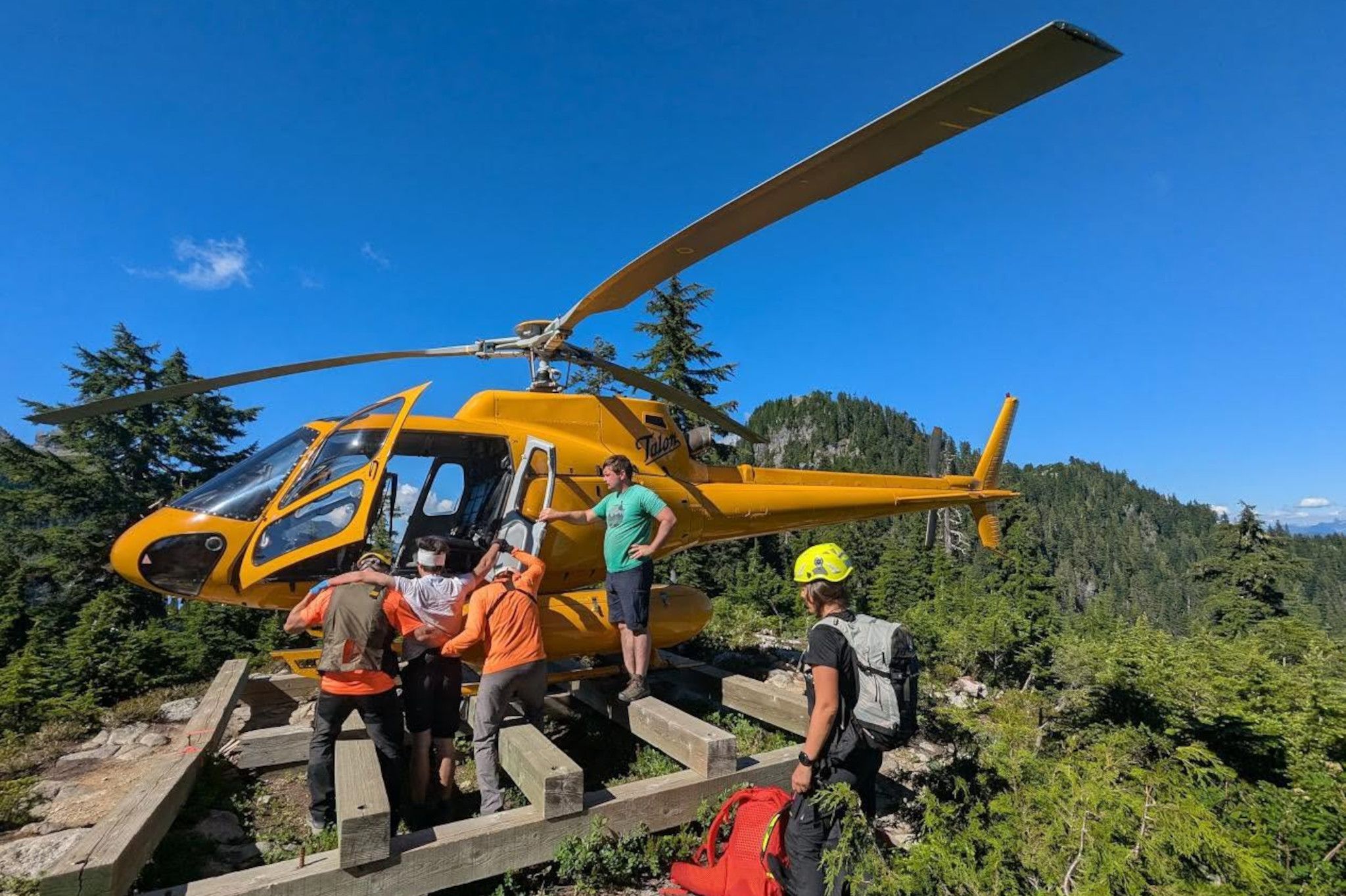
A rescue helicopter in flight represents an undeniable expenditure of capital, yet billing the passenger who summons it remains an operational mistake. In Canada, North Shore Rescue deployed aircraft and field crews across three separate October incidents to extract stranded travellers from mountain terrain. That surge in activity prompted the Vancouver-based volunteer unit to publish a formal statement titled “Why doesn’t North Shore Rescue charge for rescues?”, confronting public demands for fee-for-service emergency response. Popular sentiment routinely views free wilderness extraction as an unpaid municipal subsidy for reckless behaviour. The operational balance sheet reveals the opposite dynamic.
Price signals alter consumer calculation during acute crises. When emergency evacuation carries a punitive charge, stranded hikers do not suddenly acquire navigational competence. They delay reporting distress. Faced with the prospect of personal liability for rotary flight hours, lost individuals routinely gamble on self-evacuation across unfamiliar topography. A simple daylight trail extraction promptly degenerates into an overnight alpine grid search. By the time emergency channels activate, hypothermia, trauma, or nightfall has multiplied the required personnel and extended helicopter deployment. What looks like cost recovery on paper produces an exponential increase in actual operating expenses.
The Commercial Liability Trap
Direct billing transforms a public safety mandate into an adversarial transaction. North Shore Rescue acknowledged the fiscal grievance behind calls for reimbursement:
Whenever we post about a rescue, we inevitably see comments suggesting that the people we rescue should have to pay for it.
The team noted that search operations generate steep expenses, making public irritation an understandable reaction. Yet collecting compensation incurs structural risks that no non-profit operator can absorb. Once a rescue society attaches an invoice to its labour, the recipient ceases to be a vulnerable casualty and becomes a paying client. That shift invites tort exposure over response velocity, navigation decisions, and equipment maintenance. The statutory protections shielding volunteer crews across British Columbia depend precisely on non-commercial status, which an itemised bill would dissolve immediately.
Unresolved Funding Deficits
The administrative problem is structural rather than ethical. Urban regions along the Pacific Rim consistently promote alpine recreation corridors to domestic populations while local rescue groups absorb the ensuing trauma calls. Treating rescue as an invoiceable product presumes clear criteria to differentiate accidental misfortune from gross negligence. Responders arriving on a ridgeline cannot conduct forensic audits of personal preparedness while stabilising an injured patient. Operational triage cannot function as a point-of-sale assessment.
Recovering capital through post-mission billing remains a persistent municipal fantasy. Aviation charter contracts, specialized winter gear, and base maintenance demand secure institutional funding, but taxing emergency access actively compromises public safety. Mountain rescue teams operate without fees not out of administrative charity, but because putting a price on life preservation creates a financial incentive for travellers to hide their distress until survival odds decline.
Sources
Newsletter
Pacific Daily
A curated briefing from Thailand, Asia-Pacific and the world.