Canada’s Domestic Aid Reflects a Wider Pacific Reorientation
While Canadians receive financial aid for rising food costs, Canada's strategic moves to redirect energy eastward hint at a complex repositioning in global trade, with implications for Asia's economic landscape.
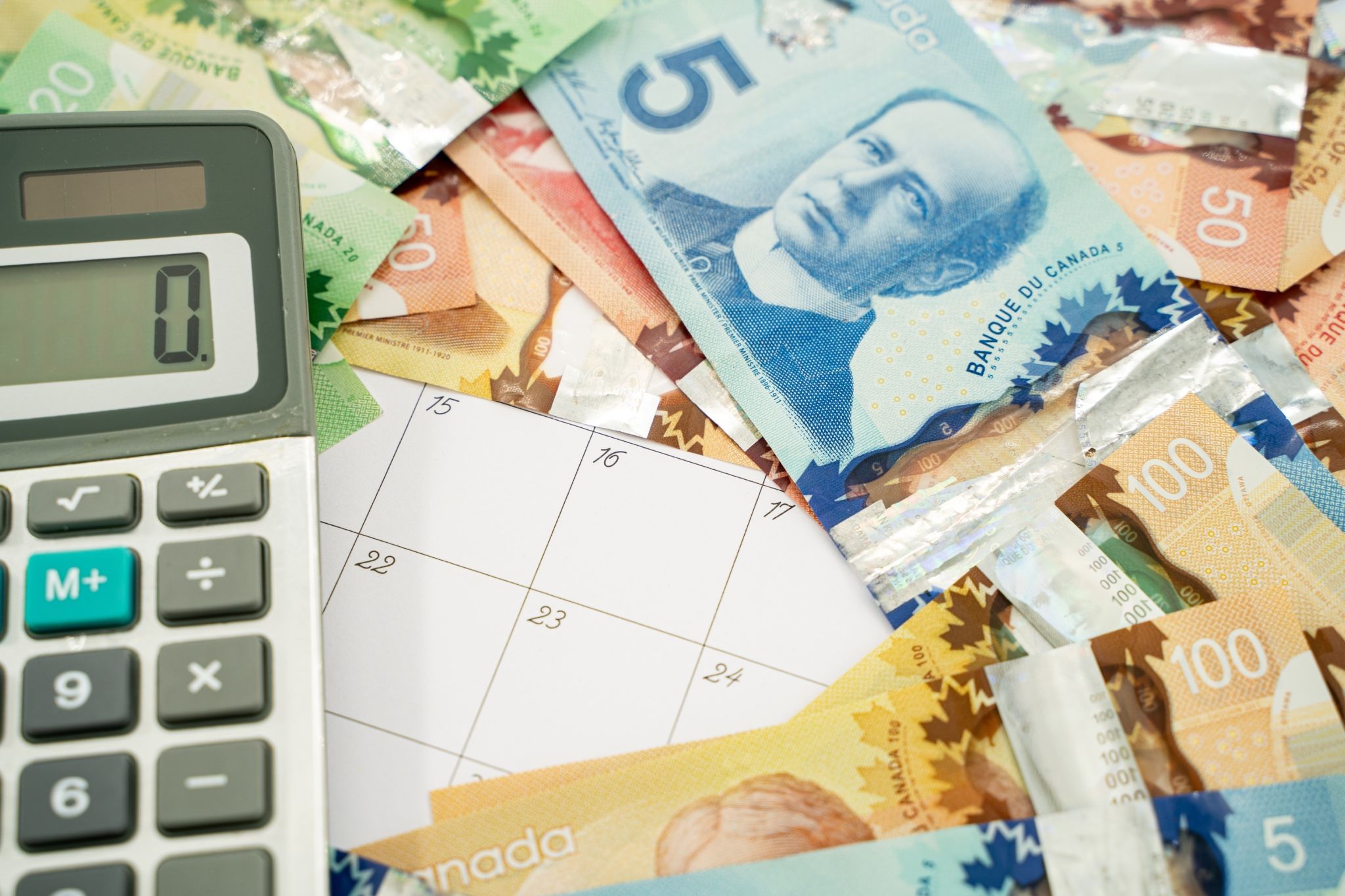
On October 5, Canadians are scheduled to receive quarterly, tax-free payments from the Canada Groceries and Essentials Benefit (CGEB). This aid, offering up to $679 for a single person and up to $890 for a married couple, aims to provide some relief as Canadians navigate increasing grocery costs. The payment amounts are determined by adjusted family net income from their 2025 tax return. This measure, while domestic in its immediate application, coincides with a broader reorientation of Canada’s economic strategies, a shift that resonates across the Pacific.
Simultaneously, Canada is fast-tracking a Pacific oil pipeline project, a move AP News reported on October 1 as an effort to reduce its dependence on the United States. This strategic energy infrastructure, referred to as 'Pacific Link' by some sources like BNN Bloomberg, is presented by figures such as Carney as an opportunity for Canada to assert itself on the global stage. This pipeline development, detailed across several reports on October 1, takes place against a backdrop of increasing trade tensions and an approaching Alberta separation vote. The push to diversify Canada's energy markets beyond its traditional southern neighbor signals a deliberate turn towards Asia.
The drive for a Pacific hedge extends beyond energy exports; it reflects a broader Canadian intent to navigate what the Lowy Institute, on September 3, termed 'Trump trouble' and wider global instability. This pivot, from a nation historically viewed through its North American alliances, to one actively seeking stronger economic ties across the Pacific, introduces both opportunities and potential complexities for Asian nations, including Thailand.
For countries like Thailand, the Canadian reorientation could manifest in varied ways. Increased energy flows towards Asia might influence global commodity prices, while diversified trade routes could open new avenues for imports and exports. The Canadian government’s focus on energy infrastructure suggests a long-term commitment to these new economic corridors. However, integrating a new significant player into established Asian trade networks is not without its challenges. Existing supply chains and political alignments in the region are well-entrenched. The aspiration to reduce reliance on one partner, as Canada seeks to do with the United States, could introduce new dependencies or competitive dynamics within Asia itself.
While the CGEB payments address immediate domestic economic pressures, the larger narrative is Canada's concerted effort to rebalance its international economic relationships. This strategy presents a notable counterpoint to prevailing Western narratives that sometimes overlook Canada's potential as a distinct economic force in the Pacific. How smoothly this reorientation will integrate with the diverse economic interests of Asian nations, or how it might reshape existing regional trade architecture, remains an open question. The Canadian shift is not just an economic calculation; it carries cultural and geopolitical implications for how a North American power seeks to redefine its identity and influence in an increasingly interconnected, yet fractured, world.
Sources
Newsletter
Pacific Daily
A curated briefing from Thailand, Asia-Pacific and the world.