The Diplomatic Circuit from Manila to Shenzhen Exposes the Limits of Forum Multilateralism
Shifting regional summits from Southeast Asian consultation to Chinese industrial hubs tests institutional cohesion across the Asia-Pacific
MANILA
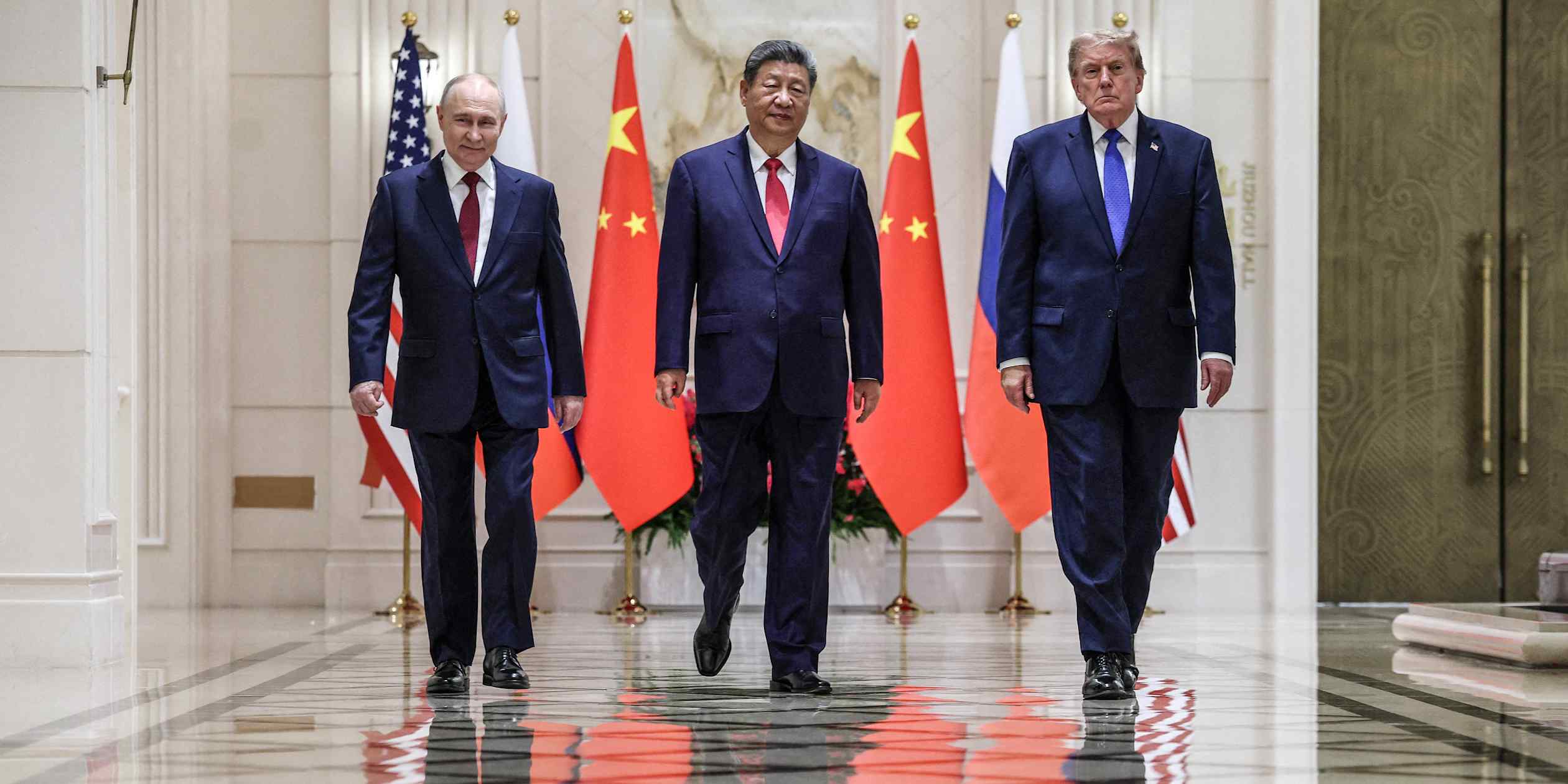
Multilateral calendar management in the Asia-Pacific has historically depended on a delicate equilibrium between consensus-oriented Southeast Asian diplomacy and larger trans-Pacific economic frameworks. The trajectory traced from ASEAN meetings hosted in Manila to the gathering of APEC delegates in Shenzhen establishes an instructive contrast in diplomatic geography. Moving discussions from the institutional home of Southeast Asian non-alignment to the primary technological and manufacturing node of southern China alters the implicit premises of regional dialogue. Visual documentation published by Nikkei Asia under the Lens banner records this transition, capturing the physical and political settings through which member states navigate competing economic architectures.
Institutional diplomacy within ASEAN functions through procedural caution and equality of representation, qualities long cultivated in Manila during periods of maritime and economic renegotiation. Member states rely on these structured consultations to prevent external polarities from dictating national policy. When the regional agenda shifts to APEC in Shenzhen, the focus necessarily turns toward supply chains, infrastructure networks, and state-backed production capacity. The venue itself acts as an argument for economic integration anchored in high-technology manufacturing and physical logistics.
Institutional Formats and Economic Gravity
This migration between forums highlights an enduring tension for Southeast Asian capitals, including Bangkok and Jakarta. Small and medium powers require ASEAN to preserve their diplomatic agency, yet their industrial planning remains inextricably tied to the trade corridors and capital flows deliberated within APEC. In Manila, negotiations frequently emphasise sovereignty, regulatory harmonisation, and collective security dialogues. In Shenzhen, discussions confront the tangible realities of advanced manufacturing, trade barriers, and digital commerce across the wider Pacific basin.
The analytical question is whether these sequential gatherings alter underlying national capabilities or merely produce parallel declarations. Sceptics argue that regional summits generate little binding policy, functioning primarily as platforms for bilateral posturing and staged consensus. Photographic records of conference halls and handshakes often reinforce the impression of procedural routine rather than structural breakthrough. That counterargument possesses real weight, given that neither ASEAN nor APEC maintains enforcement mechanisms capable of compelling sovereign compliance on contentious commercial or strategic files.
The transition from ASEAN consultation to APEC deliberations demonstrates where procedural solidarity encounters raw industrial scale.
Unresolved Divergence Across the Pacific Rim
Equating institutional attendance with strategic alignment misreads the diplomatic mechanics of the Asia-Pacific. Governments participate in Manila to secure regional stability and defend multilateral norms against unilateral pressure. Those same administrations assemble in Shenzhen because commercial survival demands direct engagement with the supply networks driving Asian growth. These objectives do not neatly converge.
Economic ministries pursue tariff adjustments and digital integration through broader Pacific frameworks, while foreign and defence ministries seek protection through tighter regional compacts or bilateral security arrangements. When summits move between these venues, policy contradictions sharpen rather than dissipate. Delegates departing the diplomatic protocol of Manila encounter in Shenzhen an industrial landscape designed around scale, automation, and centralised state coordination.
That structural divergence defines the present condition of Asia-Pacific statecraft. Dialogue formats can expand agendas, host bilateral margins, and issue joint communiqués across successive host cities. What remains fundamentally unresolved is whether any consultative forum can reconcile Southeast Asian strategic autonomy with the demanding gravity of trans-Pacific supply networks.
Sources
Newsletter
Pacific Daily
A curated briefing from Thailand, Asia-Pacific and the world.