The diner's final curtain: A question of cultural authenticity versus culinary survival
The closure of a 16-year-old Vancouver institution underscores the precarious balance between nostalgic appeal and the demands of a dynamic urban palate.
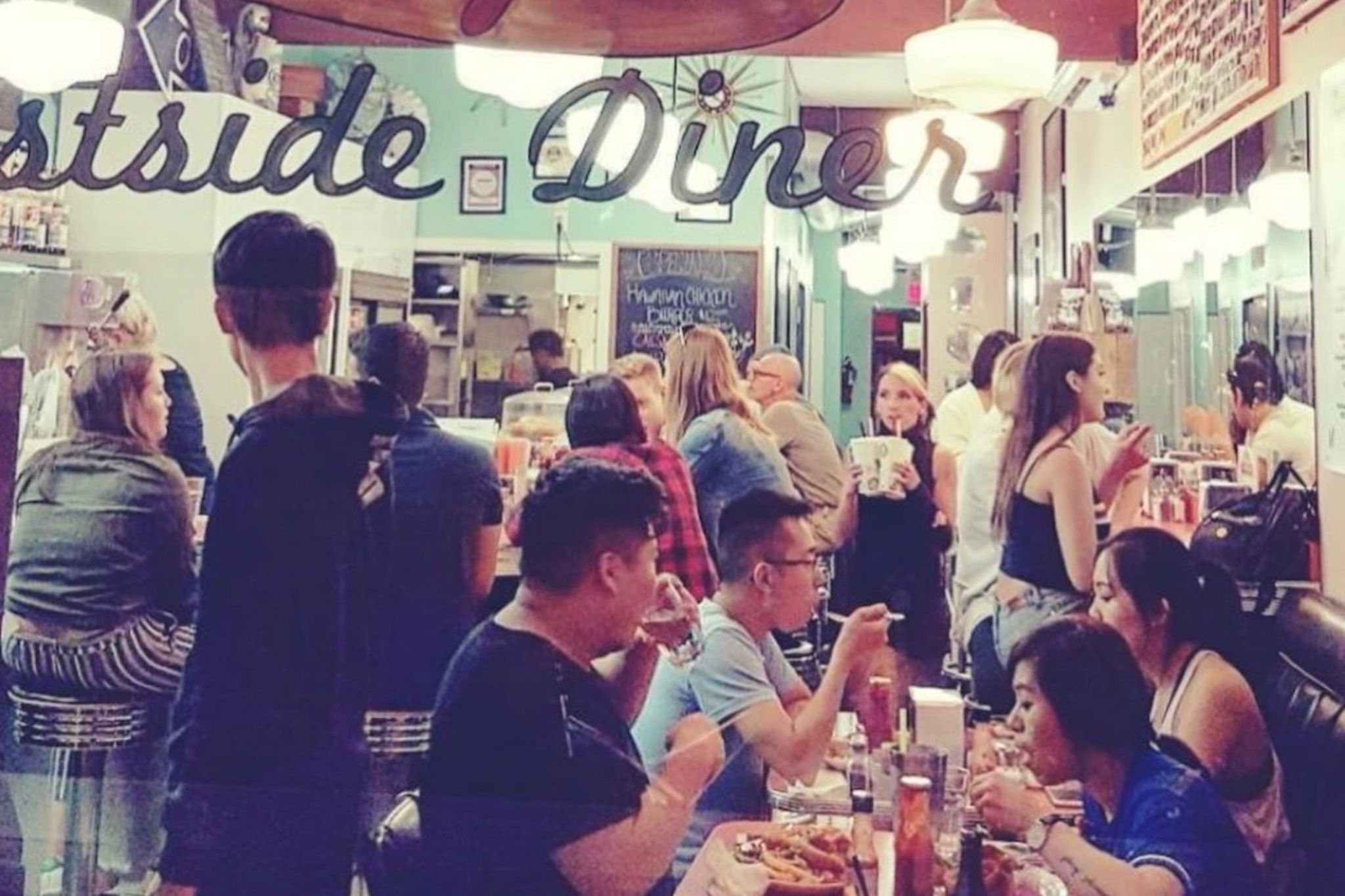
The recent closure of Lucy's Eastside Diner in Vancouver, after 16 years of operation, offers a precise observation on the mechanisms of culinary nostalgia and its sustainability. The diner, known for its "retro vibes" and a selection of shakes and sandwiches, announced its cessation via Instagram, marking "the end of an era." Its predecessor, The Whip, operated from 2006, meaning the ownership maintained a continuous presence on Lower Main Street for two decades. This longevity suggests a certain mastery of operating a specific type of establishment, yet even this established tenure concluded. The question is not simply why it closed, but what techniques were employed, and what their cost became in a shifting culinary landscape.
The diner's public identity was deeply rooted in a curated sense of the past. The phrase "retro vibes" itself implies a deliberate aesthetic choice, a theatrical staging of a bygone era. This approach, while capable of attracting a loyal customer base seeking comfort and familiarity, also carries an inherent constraint. Authenticity in such a setting becomes less about the evolution of technique or ingredients, and more about the preservation of a specific, static experience. The owners themselves referenced "cask nights and the feast of five firkins" alongside "East Van Show & Shine" events, illustrating a community engagement strategy that leaned heavily into local history and established rituals. This strategy cultivates a strong sense of belonging, a crucial element for independent establishments aiming to compete against larger, more commercially driven operations.
However, the cost of sustaining this particular brand of authenticity is often underestimated. Maintaining a "retro" appeal can necessitate a resistance to culinary innovation, a focus on classic preparations that, while comforting, may not always align with evolving consumer preferences for novel ingredients, healthier options, or more sophisticated techniques. While Lucy's was "best known for its retro vibes and selection of shakes and sandwiches," this specific offering, however well executed, places it within a defined, and perhaps narrow, market segment. The loyalty garnered over nearly two decades, as evidenced by Vancouverites sharing "heartfelt messages," speaks to the diner's success in cultivating an emotional connection, a significant achievement.
Yet, this emotional capital does not necessarily translate into indefinite commercial viability. The restaurant’s own statement, expressing gratitude for "20 years of pure joy, wild memories, and unforgettable moments," implies a narrative of successful operation rather than explicit financial struggle. It is an end framed in sentiment, which often masks underlying economic realities. The decision to close an establishment with such a legacy suggests a strategic calculation about the future, perhaps an acknowledgment that the specific techniques and offerings that once brought "pure joy" were no longer sufficient to sustain operations in the long term, or that the investment required to adapt outweighed the perceived returns. The core technique of offering "retro vibes" and traditional diner fare, while initially effective, may have become an increasingly expensive commitment in a city where culinary trends and operational costs are in constant flux.
For similar establishments in Asia-Pacific, particularly those in rapidly modernising urban centres, this situation serves as a point of reference. Diners and eateries that trade on nostalgia, local heritage, or a specific, unchanging menu face a similar tension. The success of such ventures often hinges on their ability to either deeply entrench themselves as an irreplaceable cultural fixture, or subtly evolve without alienating their core identity. Lucy's Eastside Diner's closure is not a failure of sentiment, but perhaps a demonstration of the financial and logistical constraints inherent in maintaining a fixed culinary identity against the pressures of a dynamic market. The unresolved constraint remains: how does a culinary establishment preserve its perceived authenticity and deep community ties while also adapting its operational and culinary techniques to ensure its continued existence?
Sources
Newsletter
Pacific Daily
A curated briefing from Thailand, Asia-Pacific and the world.