The Cost of Indefinite Deferral at the Philippine Grassroots
Postponing local precinct balloting to 2028 deepens institutional vacancies across Philippine communities
SINGAPORE
Central administrative decisions often treat electoral postponement as procedural prudence, yet the repeated suspension of village balloting in the Philippines highlights a growing strain on the country's primary layer of territorial governance. Moving the barangay and Sangguniang Kabataan elections from this year to 2028 marks the sixteenth time these contests have been postponed, separately or jointly, since 1982. Viewed from administrative offices in Manila, rescheduling appears to offer operational relief; on the ground, however, the decision introduces immediate governance constraints across local jurisdictions.
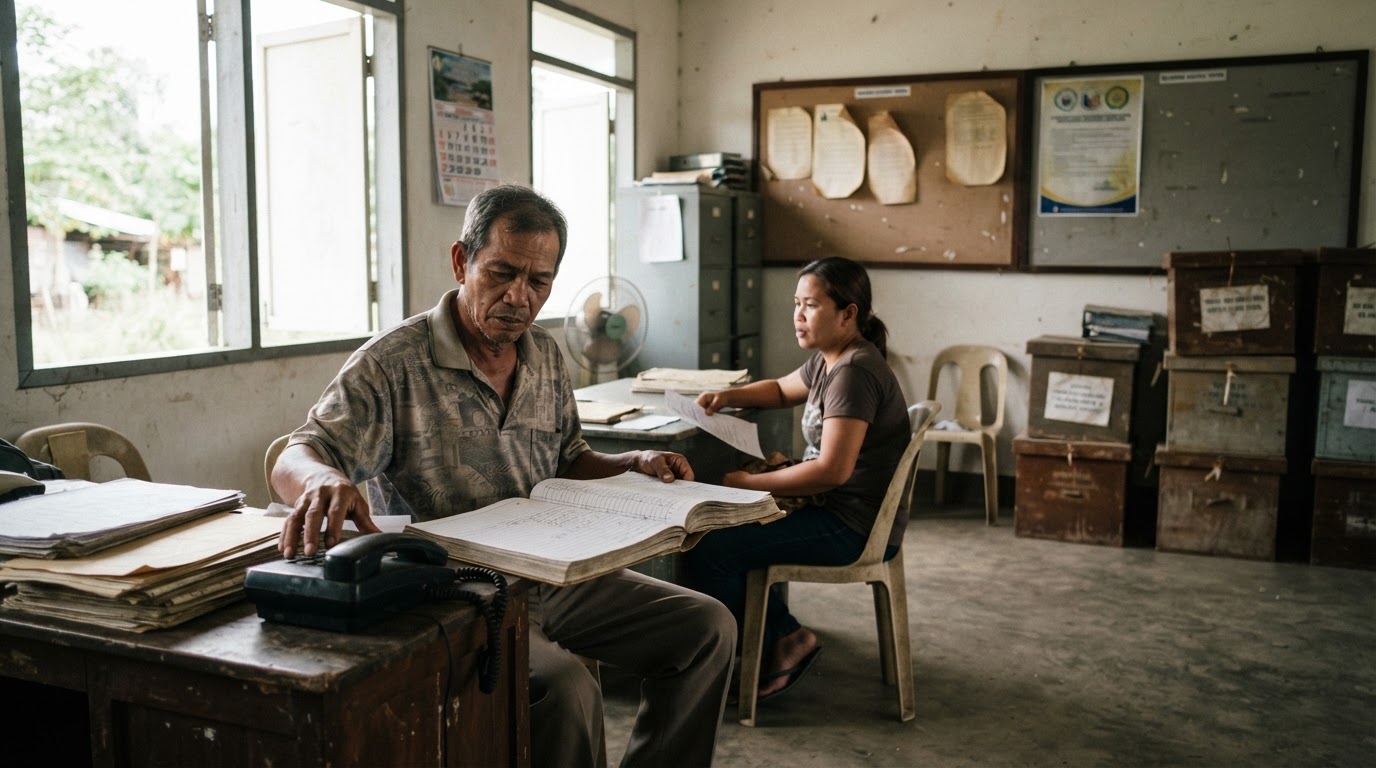
Institutional vacancies at the base of the state illustrate the tangible scope of this delay. Across the country, 73,731 barangay and youth council seats stood vacant as of September 29. Under the revised schedule, reports indicate these positions face two distinct administrative outcomes over the coming two years: municipal mayors may step in to install personal appointees, or the posts could remain entirely unoccupied while everyday neighbourhood disputes, civil registration, and community tasks await formal oversight.
Vacancies and Municipal Leverage
When local councils lack timely electoral renewal, authority tends to shift upward toward municipal executives rather than remaining anchored in community mandates. Permitting mayoral appointees to fill 73,731 empty posts risks altering the balance intended for village councils, effectively converting local representative seats into instruments of executive discretion. In jurisdictions where appointments are not made, baseline administrative functions risk remaining unstaffed.
Statutory youth representation faces an equally evident administrative distortion under this extended timeline. Sangguniang Kabataan representatives, originally elected within defined youth age brackets, remain in office long enough that officials cross into their thirties, acquiring the informal label of "Trentahin" while retaining seats designed for emerging leaders. An institution structured to cycle successive cohorts into political responsibility instead remains tied to incumbents who cannot constitutionally pass their mandates forward until balloting resumes.
Repeated electoral deferrals transform community leadership into an administrative holding pattern shaped by central decisions.
Logistical considerations form the primary defence for rescheduling, as administrators argue that staging separate grassroots contests strains fiscal and personnel resources ahead of major cycles. Postponing lower-tier contests until 2028 is framed as a measure to align administrative preparation and avoid operational fatigue within the electoral apparatus. Synchronising balloting schedules can theoretically reduce repetitive fiscal outlays for national authorities.
The Compounding Democratic Deficit
Yet that administrative justification contends with the precedent established across four decades. Sixteen postponements since 1982 suggest that delaying local democracy has functioned less as an exceptional response to crisis than as a recurring instrument of central governance. Each deferral signals to local voters that village representation can be suspended whenever higher tiers of government revise their operational priorities.
Frontline administrative units are tasked with handling neighbourhood welfare, initial disaster response, and local dispute mitigation before higher ministries take action. By deferring balloting until 2028, national policymakers leave tens of thousands of frontline positions dependent on mayoral appointments or left vacant altogether. A central capital can adjust its legislative timetable by decree, but the local communities tied to those 73,731 unrepresented seats face an unresolved governance deficit that administrative rescheduling cannot resolve.
Sources
Newsletter
Pacific Daily
A curated briefing from Thailand, Asia-Pacific and the world.