Thailand's E20 Push Puts Sugarcane Farmers at the Centre of the Fuel Debate
As Thailand moves to make E20 gasohol its main petrol, the policy links farm incomes, car owners and climate goals in one politically sensitive pump price.
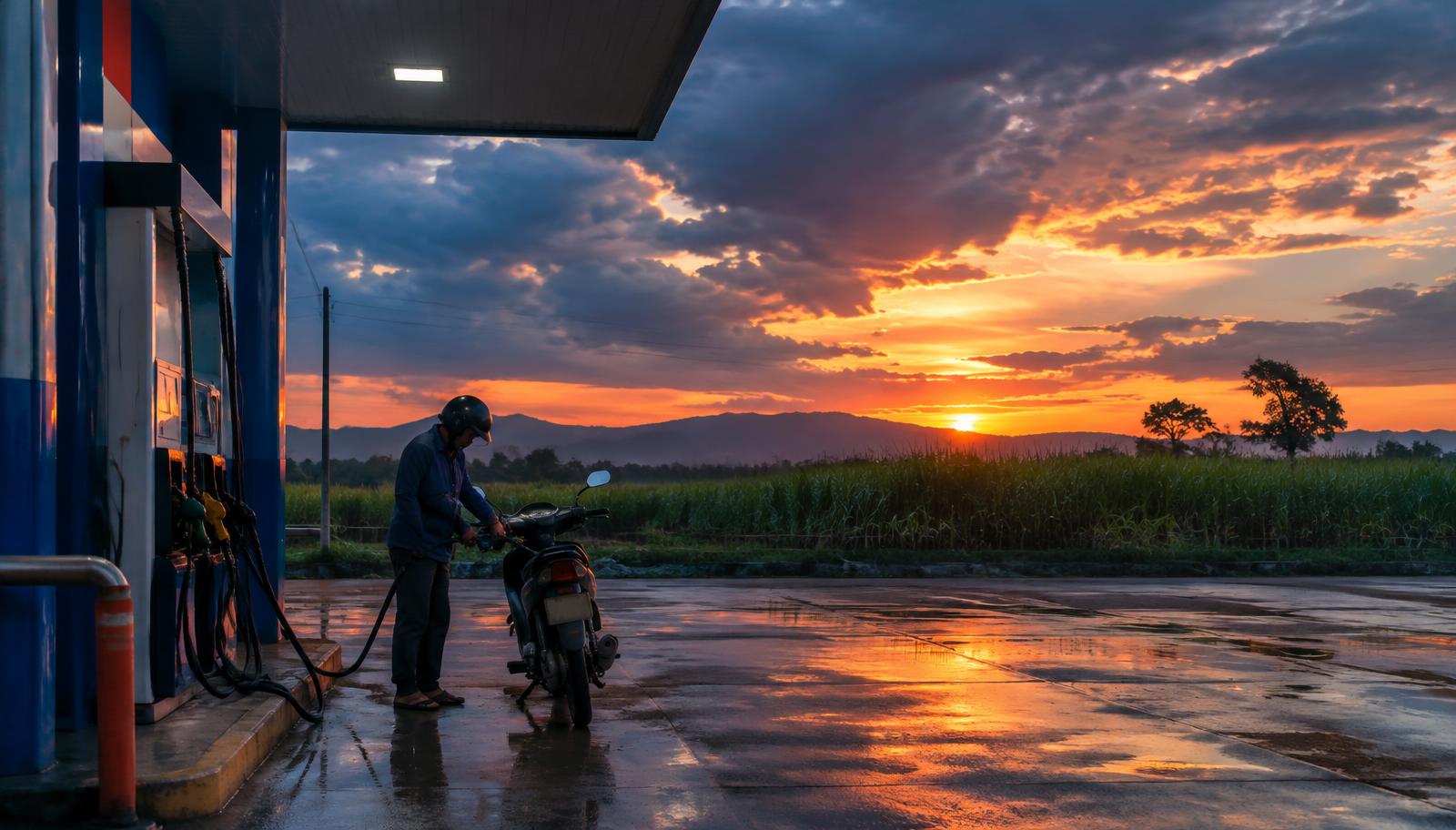
BANGKOK — At petrol stations across Thailand, drivers already choose between a confusing row of nozzles: Gasohol 91, Gasohol 95, E20, E85 and diesel blends. Energy policymakers want to simplify that menu, and the direction of travel is clear. E20, a blend of 80 per cent petrol and 20 per cent ethanol, is being positioned as the country's main grade of gasoline.
The logic draws on Thailand's agriculture. The country is one of the world's leading sugar exporters and a major grower of cassava, the two crops used to produce most Thai ethanol. Raising the ethanol share in fuel creates steadier domestic demand for farmers, reduces reliance on imported oil and can lower tailpipe emissions of some pollutants.
For the government, the policy also fits wider commitments to cut greenhouse gas emissions and to support the bio-circular-green economy model it has promoted in recent years. Ethanol plants in the northeast and central regions are tied to sugar mills and cassava processors, and the industry has long lobbied for higher blending.
What it means for drivers
Most cars sold in Thailand over the past decade are compatible with E20, and manufacturers list compatibility in owner manuals. Older vehicles and many classic motorcycles may not be, which is why officials have stressed a gradual transition and continued availability of other grades during the change.
Price is the most sensitive issue. Thai fuel prices are shaped by taxes, the state Oil Fuel Fund and subsidies, and pump prices have political weight in a country where many households rely on motorbikes and pick-up trucks. E20 has typically been priced below Gasohol 95 to encourage uptake, but sustaining that gap depends on ethanol costs and fund balances.
The farm connection
For sugarcane growers in provinces such as Kanchanaburi, Nakhon Sawan and Khon Kaen, stronger ethanol demand could cushion volatile global sugar prices. Yet the benefits depend on how cane prices are set and shared between mills and farmers, a long-running source of tension. Cassava growers face similar questions.
Environmental groups welcome lower fossil fuel use but warn that biofuel expansion must not encourage cane burning before harvest, a major source of the seasonal haze that affects northern and northeastern Thailand. Mechanised harvesting and incentives for burn-free cane are seen as essential complements.
A bridge, not a destination
Thailand is also courting electric vehicle makers, with Chinese brands building plants in the Eastern Economic Corridor. In that context, E20 is best understood as a bridge: a way to cut emissions from the millions of combustion vehicles that will remain on Thai roads for years while supporting rural incomes.
Whether the transition succeeds will be judged at the pump and on the farm. Drivers will want a fair price and confidence in their engines; growers will want a fair share of the value. If both are satisfied, a small change in a nozzle label could carry a large change for Thailand's energy economy.
Sources
Newsletter
Pacific Daily
A curated briefing from Thailand, Asia-Pacific and the world.