Thai Condo Rebound Raises Questions on Market Stability, Social Cost
While foreign investment offers a temporary boost, the long-term implications for local housing remain uncertain.
SINGAPORE
The second quarter of 2026 saw an increase in the value of condominium transfers to foreign nationals in Thailand, with a 20.2% rise year-on-year. This rebound, reported by the Real Estate Information Center (REIC) under the Government Housing Bank, involved 3,292 units transferred, a 1.4% increase from the same period last year. The combined value of these transactions reached 14.803 billion baht, with total floor area growing by 8.1% to 145,140 square metres.
Despite these Q2 figures, the first half of 2026 showed a weaker overall performance, with foreign buyers representing a smaller share of the total condominium market compared to a year earlier. They accounted for 10.2% of all units transferred nationwide and 20% of the total value. This follows a decline in foreign condo sales in Q1 2026, and earlier reports from April 2026 noted foreign buyers cushioning a broader housing slump that has seen the market head for its fourth consecutive year of decline.
### The Shifting Landscape of Foreign Demand
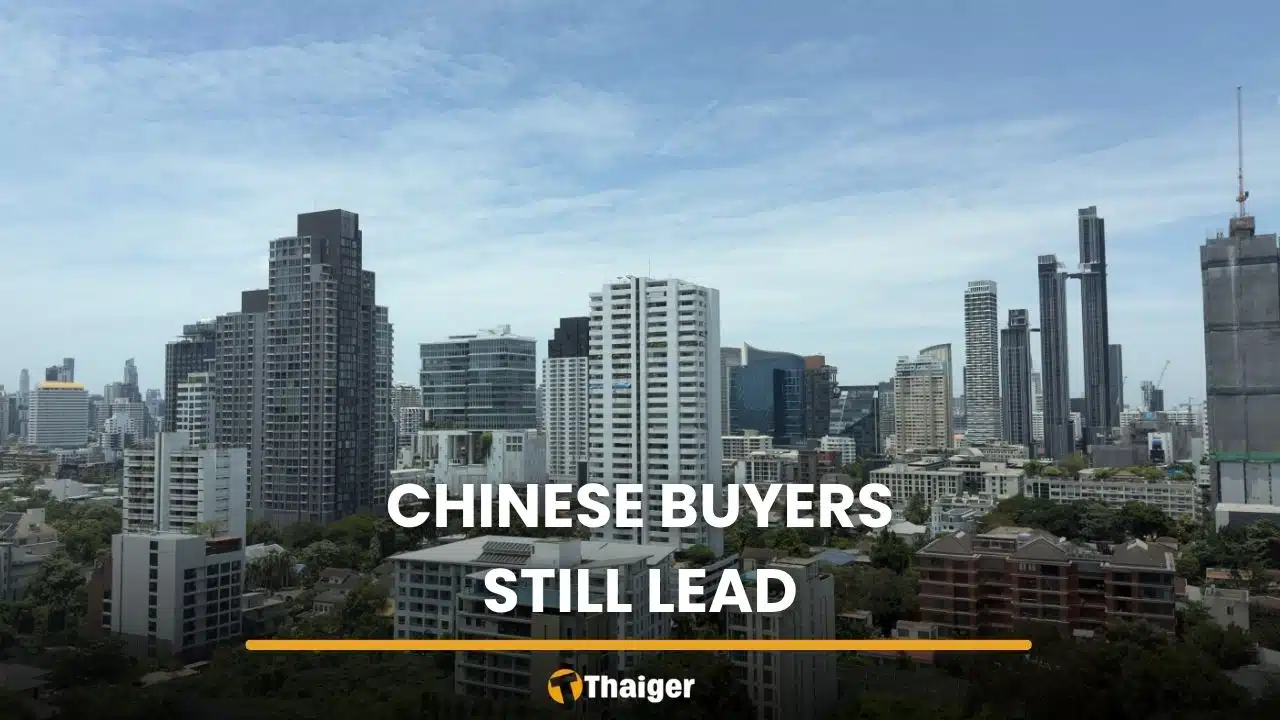
The recovery in Q2 is notable, especially considering reports from August 2026 indicating a pullback in foreign condo demand, particularly from China, which has consistently topped the Thai condo market. Myanmar buyers, however, rose to the second position by March 2026. This suggests a dynamic shift in the origin of foreign investment, with certain nationalities potentially increasing their presence while others recede. The influx of foreign capital, while offering a revenue stream, raises questions about its broader impact on Thailand's housing landscape.
The immediate implication of increased foreign purchases is a capital injection into the real estate sector. This can provide liquidity for developers and potentially support construction employment. However, such a reliance on external demand comes with its own fragility. The Q1 decline and the reported China pullback demonstrate how quickly these trends can reverse, leaving developers and the wider economy vulnerable to shifts in international economic conditions or national policies abroad.
An increase in foreign-owned properties, particularly in urban centres or tourist destinations, can also impact local housing affordability. While the reported numbers of units transferred represent a segment of the market, a consistent pattern of foreign acquisition at certain price points can inflate property values. This makes it more challenging for local residents, particularly those with lower or middle incomes, to access affordable housing within their own communities. The everyday cost of living, including housing, becomes a burden carried by residents whose wages do not keep pace with international investment cycles.
### Broader Economic Questions
The argument could be made that foreign investment fills a gap created by a sluggish domestic market, providing essential support to an industry facing a fourth year of decline. Without this foreign capital, the housing market could face an even deeper downturn, potentially leading to job losses and reduced economic activity. However, this perspective often overlooks the long-term societal costs. A housing market driven primarily by external investment risks becoming detached from the needs and incomes of the local population. It transforms housing from a fundamental necessity into an investment commodity, with consequences for social equity and stability.
The rebound in foreign condo transfers in Q2 2026 highlights a complex economic situation. It suggests a certain resilience in the foreign investment segment of Thailand's property market, but also signals a continued reliance on external buyers to buoy a sector facing domestic challenges. The ongoing tension between attracting foreign capital and ensuring accessible housing for local citizens remains an unresolved consideration for Thailand.
Sources
Newsletter
Pacific Daily
A curated briefing from Thailand, Asia-Pacific and the world.