Tourist safety incidents challenge Thailand's local economy
A recent event involving a ride-hailing driver in Patong highlights risks for service providers and broader economic implications for destinations reliant on visitors.
SINGAPORE
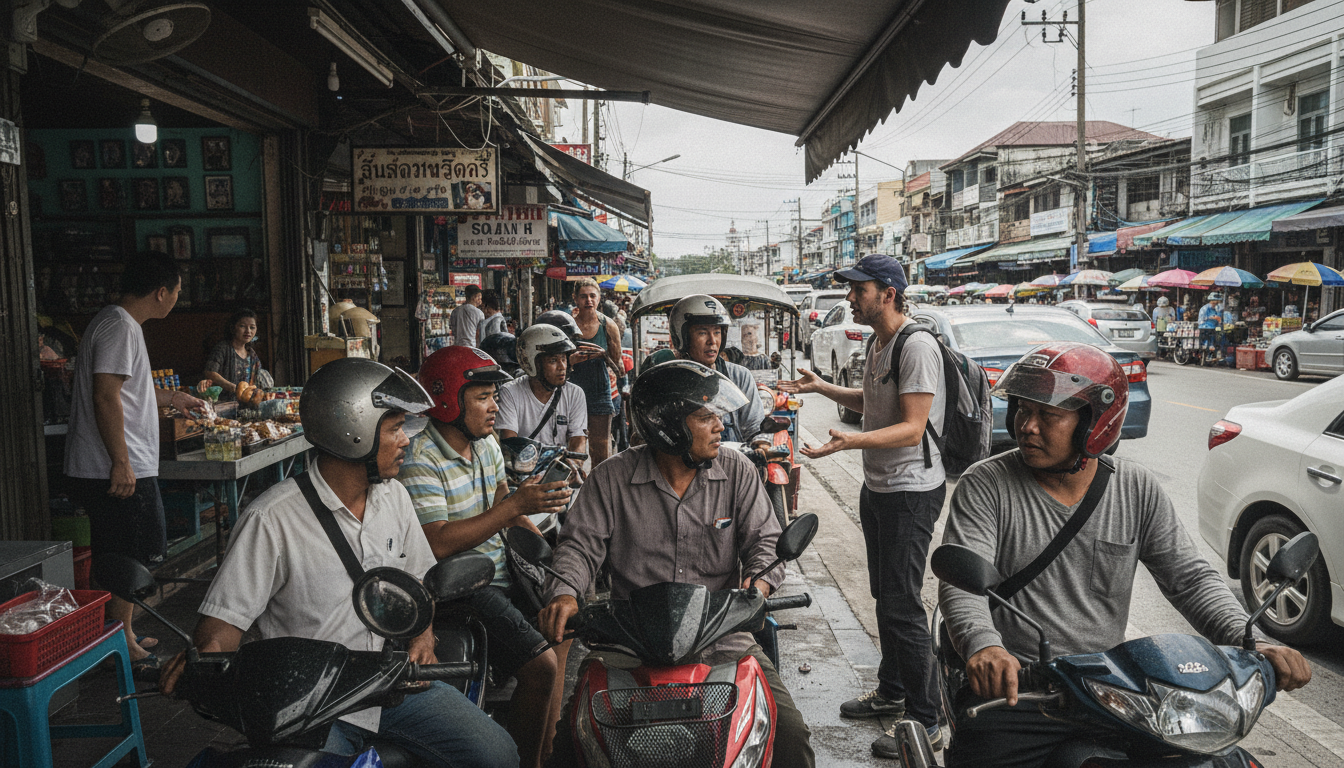
A Phuket ride-hailing driver was hospitalized after an incident involving four foreign passengers, according to an account reported by The Thaiger on September 14, 2026. The driver became dizzy, weak, and short of breath on Saturday, September 12, while transporting the individuals. The driver suspected the passengers drugged her. This incident came to light after the Phuket Times Facebook page reported it on September 13. The female driver had picked up four foreign men, whom she described as Arab, from a hotel in the Patong area at approximately 9 PM. During the journey, the passengers began talking to her and offered her a sweet that appeared to be candy. She declined the offer.
For those earning a living directly from tourism, such an event can have immediate financial consequences. A ride-hailing driver’s income depends on consistent, safe engagements. When incidents like this occur, even if they remain unproven in a legal sense, they introduce an element of risk into the daily work. This risk, whether perceived or actual, could affect the willingness of local individuals to provide services directly to tourists. The economic stability of an area like Patong relies on a functional relationship between visitors and those who serve them. This particular incident, involving an attributed claim of a crime, underlines potential vulnerabilities for local workers.
Phuket has experienced previous periods where tourist numbers were affected by unforeseen events. The island faced a recovery period following a significant natural disaster. Later, a boat incident off Phuket led to a reported decline in visitors from a key market, as observed by The Jakarta Post in 2018. While the nature of the current incident differs from large-scale disasters or accidents, the underlying principle of how negative perceptions can influence tourist behavior remains. Such events, however isolated, can contribute to a narrative that deters both potential visitors and local service providers, impacting the area's economic health.
Millions visit Thailand annually without incident, and most interactions between tourists and locals are positive. This is a crucial aspect of the tourism model. However, for a country where tourism is a primary economic engine, each negative event, regardless of its scale, has the potential to amplify concerns among both visitors and local workers. The challenge for authorities and the industry is not just to address the specifics of an incident, but to manage the wider perception of safety and reliability for everyone involved in the tourist economy. The livelihood of many depends on this delicate balance, where the perceived risks for workers must remain low enough to ensure continued participation in the sector.
Sources
Newsletter
Pacific Daily
A curated briefing from Thailand, Asia-Pacific and the world.