Thailand Considers 1,000 Baht Air Departure Tax Amid Tourism Scrutiny
The Revenue Department's proposal for a new levy on all air travelers leaving Thailand introduces an additional cost, prompting questions about its effects on both individual travelers and the nation’s tourism sector.
SINGAPORE
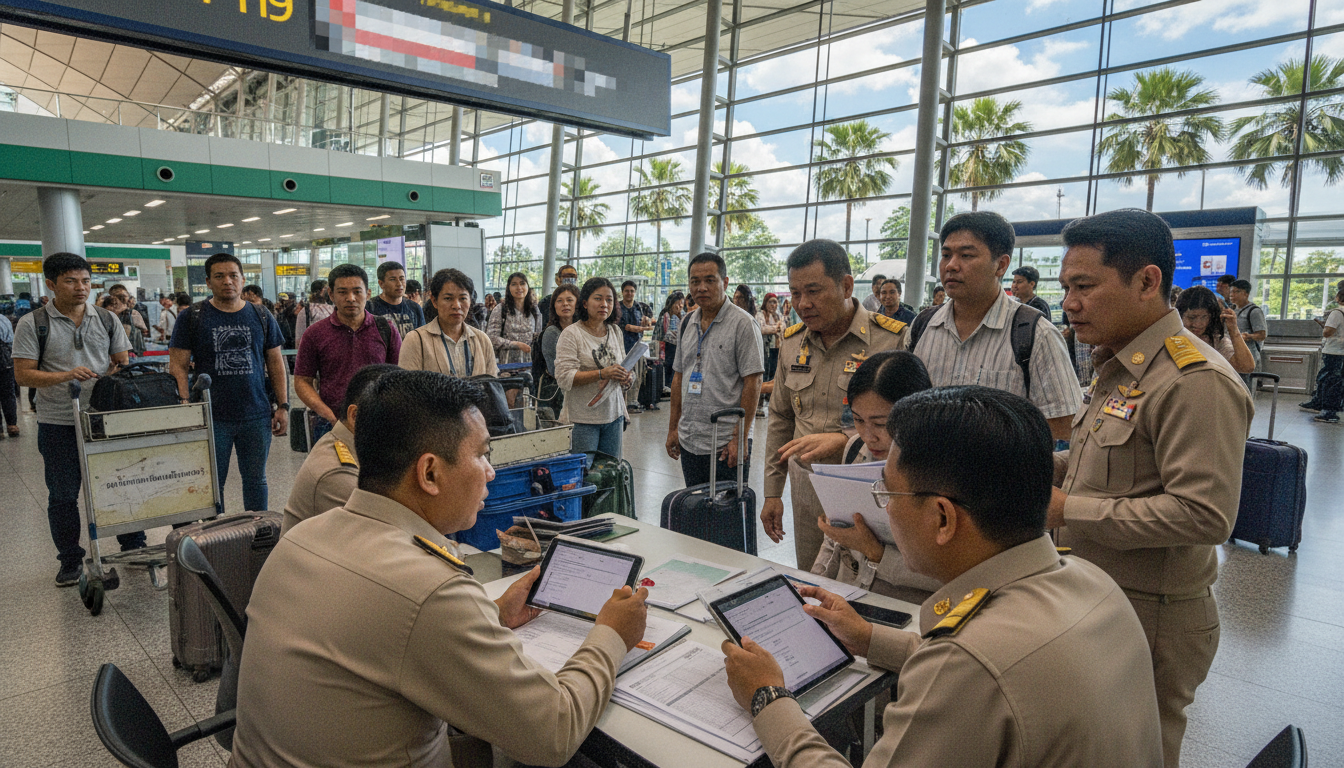
The Revenue Department is seeking public input on a draft law that would require travellers of all nationalities flying out of Thailand to pay a departure tax of 1,000 baht per trip. This proposed levy, outlined under the Departure Tax Act, would apply to both Thais and foreigners. It would be an addition to the 1,120-baht passenger service charge already included in international flight tickets. While air travel would face this 1,000 baht tax per trip, travel by land and water would remain exempt. The air travel tax would be capped at 5,000 baht.
This initiative places a new financial responsibility directly on individual air passengers. This additional cost could influence travel choices for certain groups of travelers. The primary effect is an increase in the direct expense of international air travel from Thailand.
Policies like this often aim to generate revenue or manage the broader impacts of tourism. Thailand has pursued a tourism-focused strategy for decades. The Japan Times reported on October 5, 2026, that Thai locals confront the consequences of the country’s sustained tourism push. It remains unclear whether a flat departure tax directly addresses these consequences or if it primarily serves to offset other public expenditures. The uniform application to all nationalities, including Thais, suggests the burden is not solely on foreign visitors. This approach differs from some other tourism-specific levies.
One perspective suggests the 1,000 baht fee might be a minor expense for many international travelers, particularly those undertaking longer, more expensive journeys. For these travelers, the added cost might not significantly alter plans. However, for budget-conscious tourists or individuals making frequent, shorter trips within the Asia-Pacific region, this additional charge could become a consideration in their choice of destination. A traveler from a neighboring country contemplating a weekend visit, for example, might find the accumulated charges less appealing compared to destinations without such a tax.
The proposal specifically targets air travel, exempting land and water routes. This distinction could disproportionately affect those for whom air travel is the primary or only practical option. It could also incentivize shifts to alternative modes of transport for regional journeys where feasible. The full impact on the air transport sector and the wider tourism economy will hinge on how potential travelers perceive this increased cumulative cost.
The Revenue Department's move signals a regulatory adjustment in response to the economic and social dynamics of tourism. How this proposed tax will integrate into Thailand’s wider economic strategy and its long-term effects on traveler behavior within the Asia-Pacific region are developments that bear observation.
Sources
Newsletter
Pacific Daily
A curated briefing from Thailand, Asia-Pacific and the world.