Thai Airways Soars Towards a Greener Horizon: SAF Mandates Take Flight in 2026
As Net-Zero Aviation Fuels gain critical mass, Bangkok's Suvarnabhumi Airport becomes a crucible for sustainable air travel.
SINGAPORE
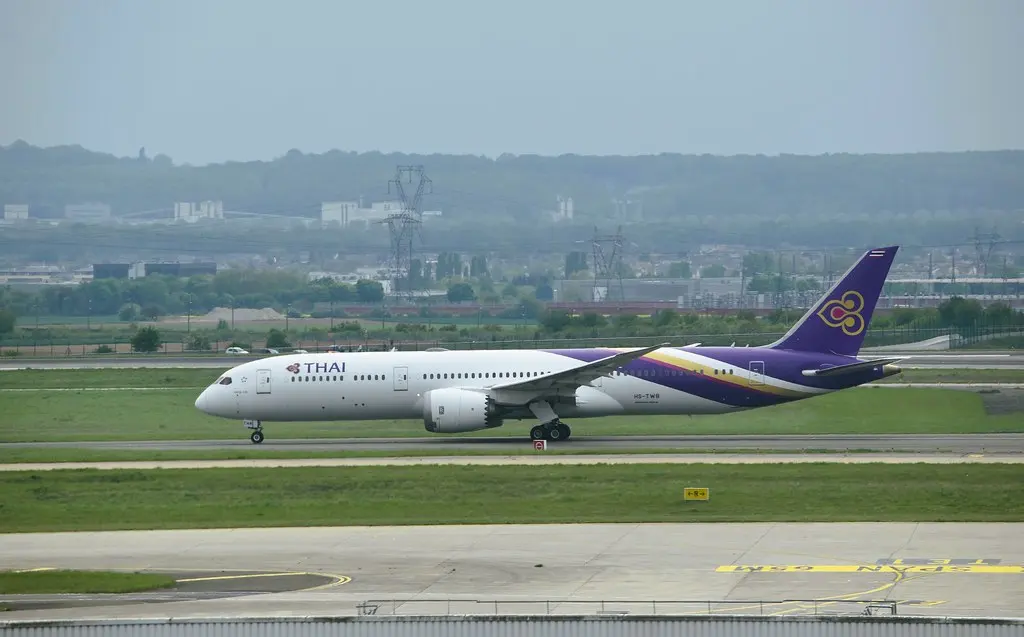
BANGKOK – The air inside Suvarnabhumi's vast, glass-domed terminal felt a little different this morning. Not just the familiar hum of departing jets, but an undercurrent of palpable change, a subtle shift in the very fuel that powers these behemoths. As a correspondent on the sustainability desk, I've tracked the slow, often frustrating, progress of Sustainable Aviation Fuels (SAFs) for years. But 2026 feels like the year the conversation truly lifts off.
From the meticulous planning underway in Thai Airways' operations center to the strategic alignments being forged across the industry, the move towards mandatory SAF blending is no longer a distant aspiration; it's an imminent reality. Major global hubs, including Bangkok's bustling Suvarnabhumi (BKK), are slated to implement initial blending targets, pushing airlines like Thai Airways into a new era of fuel procurement and operational strategy.
I sat down with Captain Somsak Ratanasopa, Thai Airways' Head of Corporate Safety and Environmental Affairs, his office overlooking a tarmac where Boeing 787s were being readied. "The pressure is not just from regulators anymore, Ms. Moreau," he told me, gesturing towards a chart detailing their phased SAF integration plan. "Our passengers, our investors, even our own pilots – everyone is asking for a tangible commitment to decarbonization. The 2026 mandate for a minimum 1% SAF blend at key hubs like BKK, rising to 3% by 2030, is the catalyst we needed."
What makes 2026 such a pivotal year? It's the confluence of increased production capacity finally coming online and the solidification of international regulatory frameworks. Until recently, SAF supply has been a classic chicken-and-egg problem: airlines couldn't commit to buying what wasn't reliably available, and producers wouldn't invest without guaranteed demand. Now, with significant investments from energy giants like Neste and World Energy, alongside emerging players in Southeast Asia exploring waste-to-fuel technologies, that dynamic is shifting. The price gap, while still substantial, is narrowing, particularly with government incentives and credits.
The Commercial Imperative of Green Skies
My colleague from the financial desk once remarked, rather dismissively, that SAFs were an "eco-luxury." I contend that they are fast becoming an economic necessity. Airlines failing to meet blending mandates will face penalties, and increasingly, competitive disadvantages. Thai Airways, for instance, sees this as an opportunity. "We are actively engaging with PTT Public Company Limited and other potential local producers," Captain Somsak elaborated. "Our goal isn't just compliance, but to be a regional leader. Imagine the operational resilience if we can source a significant portion of our SAF locally, reducing our exposure to volatile global jet fuel markets."
This proactive stance is critical. The International Air Transport Association (IATA) projects that SAF production needs to reach 30 billion liters (8 billion gallons) by 2030 to meet even ambitious decarbonization goals. While current production is still a fraction of that, the 2026 mandates provide the necessary demand signal to accelerate investment. The blend, typically derived from waste fats, oils, and agricultural residues, can reduce lifecycle carbon emissions by up to 80% compared to conventional jet fuel, a statistic that resonates powerfully with a new generation of travelers.
"This isn't just about flying green; it's about flying smart, securing our future in a carbon-constrained world."
Suvarnabhumi: A Regional Testbed
Suvarnabhumi's role is particularly interesting. As one of Asia's busiest aviation hubs, its readiness will set a precedent for others in the region. The airport authority is reportedly working closely with refiners and logistics providers to ensure seamless SAF delivery and storage infrastructure. The technical challenges are not trivial – separate storage tanks, dedicated pipelines, and quality control protocols for blended fuels – but the will is clearly there. From my conversations with airport officials, the integration plan is robust, ensuring that the blended fuel meets strict aviation standards without compromising safety or performance.
The adoption of SAFs, beginning with these initial mandates, marks a significant turning point. It's a pragmatic step towards aviation's net-zero ambitions, moving beyond aspirational declarations to concrete, policy-driven action. The hum of departing jets at Suvarnabhumi now carries the whisper of a greener future, a future where the sky itself might just breathe a little easier.
Newsletter
Pacific Daily
A curated briefing from Thailand, Asia-Pacific and the world.