Thai AirAsia’s Seoul Service Suspension Reflects Structural Realignments in Regional Aviation
The cessation of a 12-year direct route signals a strategic shift in capacity and resource allocation within a challenging market environment.
SEOUL
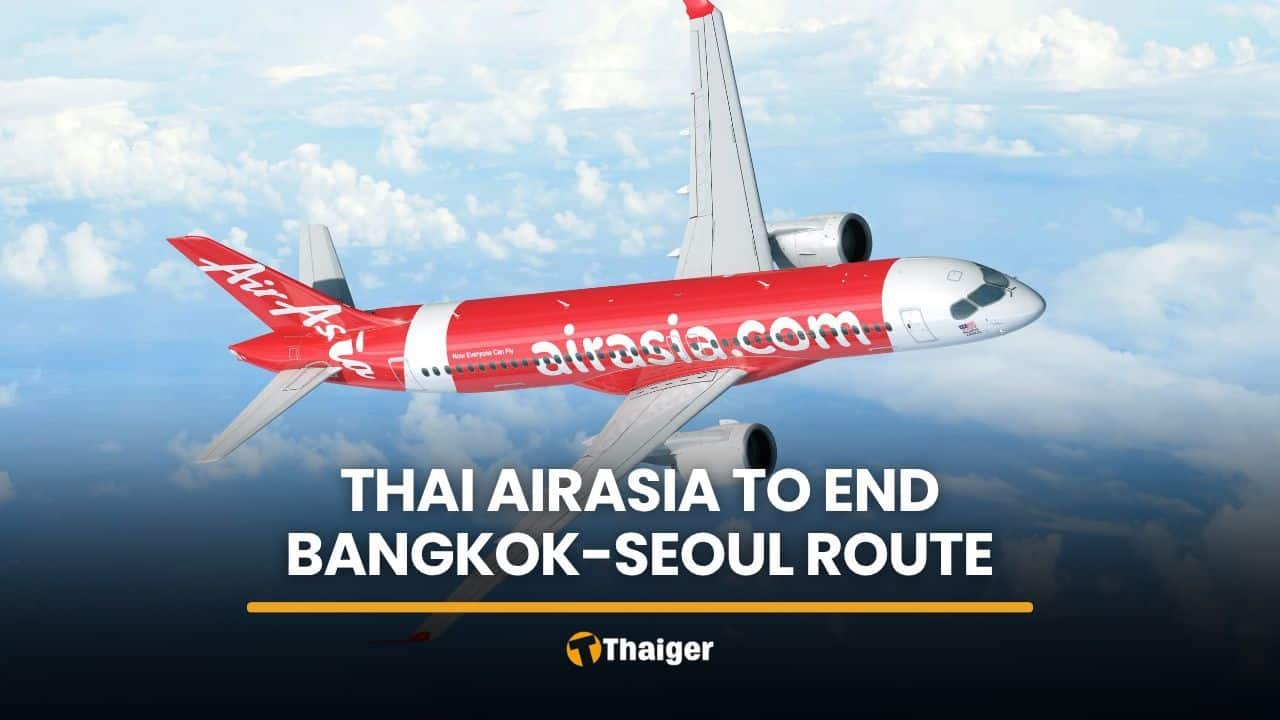
Thai AirAsia will suspend its direct Bangkok-Seoul service from October 25, 2026, ending more than 12 years of operation on the Don Mueang-Incheon route. Flights will return for a short period, operating daily from October 1 until October 24, before the suspension takes effect again until further notice. Passengers with bookings for travel after October 24 have been offered several options: rebooking on or before that date without charge, a full refund, retaining the fare as credit, or traveling from Don Mueang to Incheon via Kuala Lumpur, with the Kuala Lumpur-Incheon sector provided by another entity. This development follows a Bangkok Post report from February 24, 2026, which indicated Thai AirAsia's plan to “revamp flights to Seoul from May.”
The suspension, initially reported by The Thaiger on September 16, 2026, which noted AirAsia had not officially announced the change, points to a dynamic decision-making process. The outcome, however, suggests a re-evaluation of the route's viability. The decision implies that the Don Mueang-Incheon connection, despite its operational history, has become less economically or strategically central for Thai AirAsia. The indefinite nature of the suspension, rather than a brief interruption, indicates that current demand may not meet expectations, or operational costs are prohibitive.
Rising operational costs present a structural challenge. Reuters reported on April 28, 2026, that Thai AirAsia planned to reduce seat capacity by approximately 30% due to increased jet fuel prices. Such cost pressures fundamentally impact route profitability and likely informed the assessment of the Seoul service. This broader capacity reduction suggests a systemic response to market conditions.
The presence of Thai AirAsia X, which operates flights from Bangkok to Incheon, offers an alternative within the broader AirAsia network. Thai AirAsia X also resumed onward flights from Bangkok to Sydney, Tokyo, and other global cities for Indian travelers, according to cnbctv18.com on August 20, 2024. This raises a question about internal resource allocation: whether the broader AirAsia structure is consolidating long-haul or high-yield routes under Thai AirAsia X, allowing Thai AirAsia to focus its network elsewhere. The option for affected passengers to travel via Kuala Lumpur underscores this potential internal rationalization, redirecting traffic through a different hub within the network.
A counterargument suggests this suspension is a tactical, temporary measure by Thai AirAsia, anticipating a return to the route when market conditions improve. The phrase “until further notice” preserves flexibility for such a re-entry, implying short-term market fluctuations or specific operational constraints, such as aircraft availability, are the primary drivers. Other AirAsia entities have also paused daily routes; Indonesia AirAsia, for instance, started halting its daily route to Singapore, as reported by VnExpress International on June 30, 2026. This reflects a group-wide operational agility in adjusting to current circumstances.
However, the termination of a 12-year direct service and the provision of alternative routings, including the multi-segment option through Kuala Lumpur, suggest a more deliberate, structural realignment. The implication for Thailand's tourism sector, particularly for visitors from South Korea, is a reduction in direct air access. For Thai AirAsia, the immediate effect is a consolidation of resources away from a route deemed less optimal, allowing for reallocation to potentially more profitable segments. The unresolved question is whether this capacity adjustment is a cost-driven rationalization or a strategic repositioning within the competitive Asia-Pacific aviation landscape.
Sources
Newsletter
Pacific Daily
A curated briefing from Thailand, Asia-Pacific and the world.