SkyTrain Naming Signals Infrastructure Priorities, With Broader Implications for Transit Projects
The decision to rename a major extension for a former premier underscores local political calculations, but for cities grappling with urban expansion, the underlying lesson remains about financial viability and long-term utility.
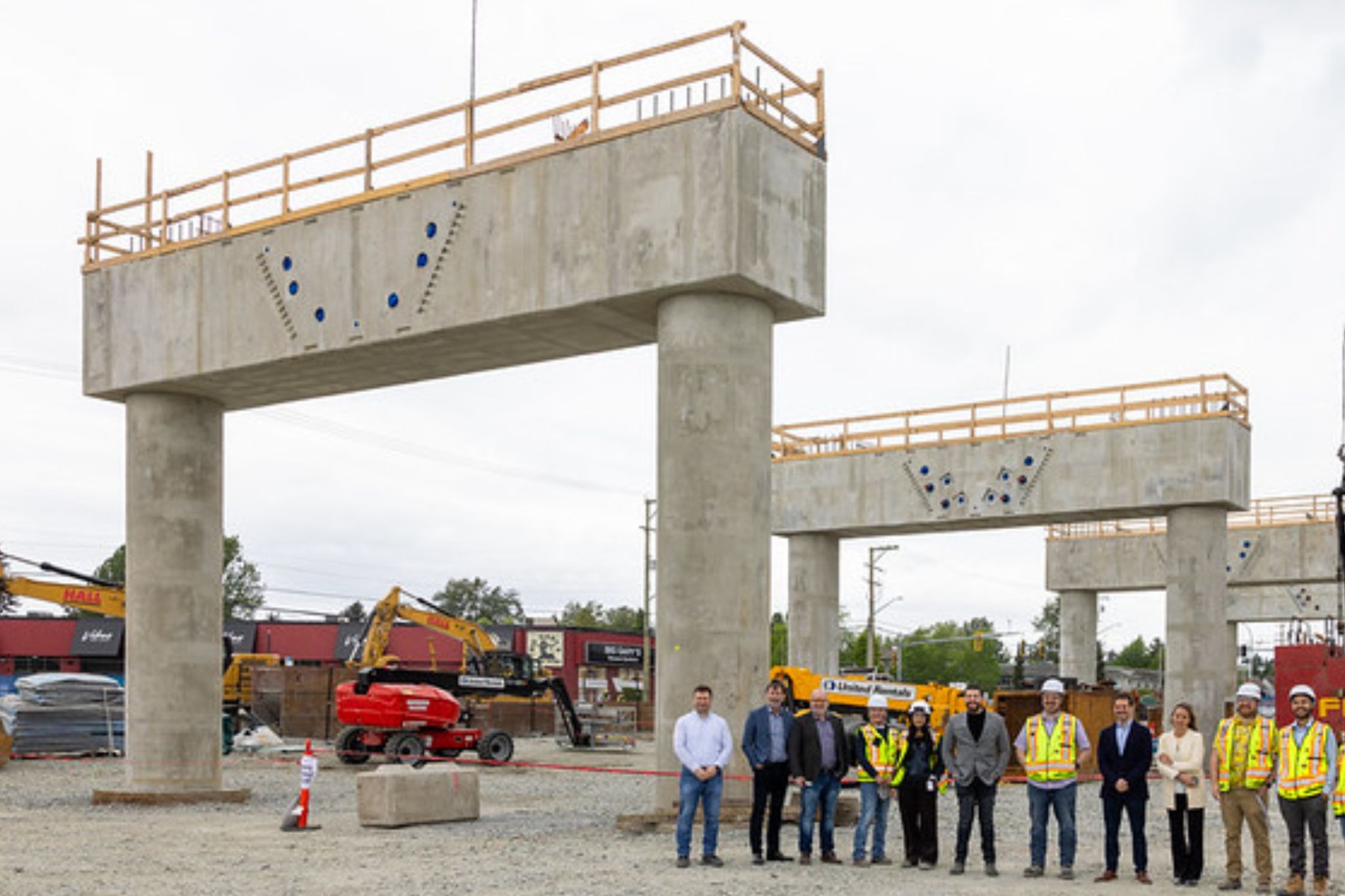
British Columbia's Ministry of Transportation announced that the Surrey-Langley SkyTrain extension, set for a 2029 opening, will be named the Dave Barrett Extension. The name honors a former B.C. premier from the early 1970s. B.C. Premier David Eby stated Barrett 'spent his life fighting for ordinary people,' connecting the naming to a legacy of public service.
While rooted in local political tribute, the gesture also highlights the continued prioritization of mass transit infrastructure. Vancouver, a city that will host the World Cup in 2026, continues to invest in projects designed to enhance connectivity. These projects demand substantial public financing and promise long-term returns through improved urban mobility. The naming shows how even foundational infrastructure can become a vehicle for political messaging, an approach seen in many developing urban centers.
The real test for such expansions, irrespective of their ceremonial names, lies in their ability to meet ridership projections and achieve financial sustainability. The cost recovery model for extensive urban rail networks, particularly those expanding into less dense suburban areas, is frequently challenged. The SkyTrain extension aims to serve areas like Surrey and Langley, which are undergoing population growth. The implicit wager is that future population density will justify the considerable capital outlay. Without robust ridership numbers, these projects can become persistent drains on public funds, requiring ongoing subsidies that divert resources from other public services.
In urban markets where expansion is often rapid and less centrally planned, the financing and naming of similar projects carry different pressures. While rapid transit is critical for economic growth and alleviating congestion, the naming often reflects patronage or commercial interests more directly. The challenge for these cities is not merely securing funding, but also ensuring that infrastructure delivers tangible economic benefits and accessibility for the broader population, rather than becoming symbols of political achievement without corresponding public utility. Premier Eby's statements linking the extension to 'working families' and 'fair chance to get ahead,' similarly frame public works as a public good, regardless of local political systems.
The potential for the Pacific north-west to experience heavy rain and snow due to atmospheric rivers, as reported in late 2025, underscores the environmental challenges that all major infrastructure projects must account for. Climate resilience is a necessity, affecting both construction costs and operational longevity. Projects that fail to account for such variables face higher maintenance expenditures and greater risk of service disruption.
The naming of the Dave Barrett Extension is a provincial political decision. For the hospitality sector, and for taxpayers, the critical question remains the same: will this extension deliver the expected influx of commuters and visitors, and at what occupancy rate will it generate sufficient economic activity to justify its cost? The outcome depends on consistent population growth, effective urban planning around new stations, and the sustained ability of the public transport authority to operate the line efficiently. Failure on these fronts means that while a former premier's name is affixed to the extension, the financial burden rests squarely on current and future residents.
Sources
Newsletter
Pacific Daily
A curated briefing from Thailand, Asia-Pacific and the world.