The Culinary Cost of Concrete: Vancouver's Infrastructure Echoes Asia-Pacific Pressures
Large-scale construction, while promising future connectivity, often presents an immediate challenge to the urban food landscape.
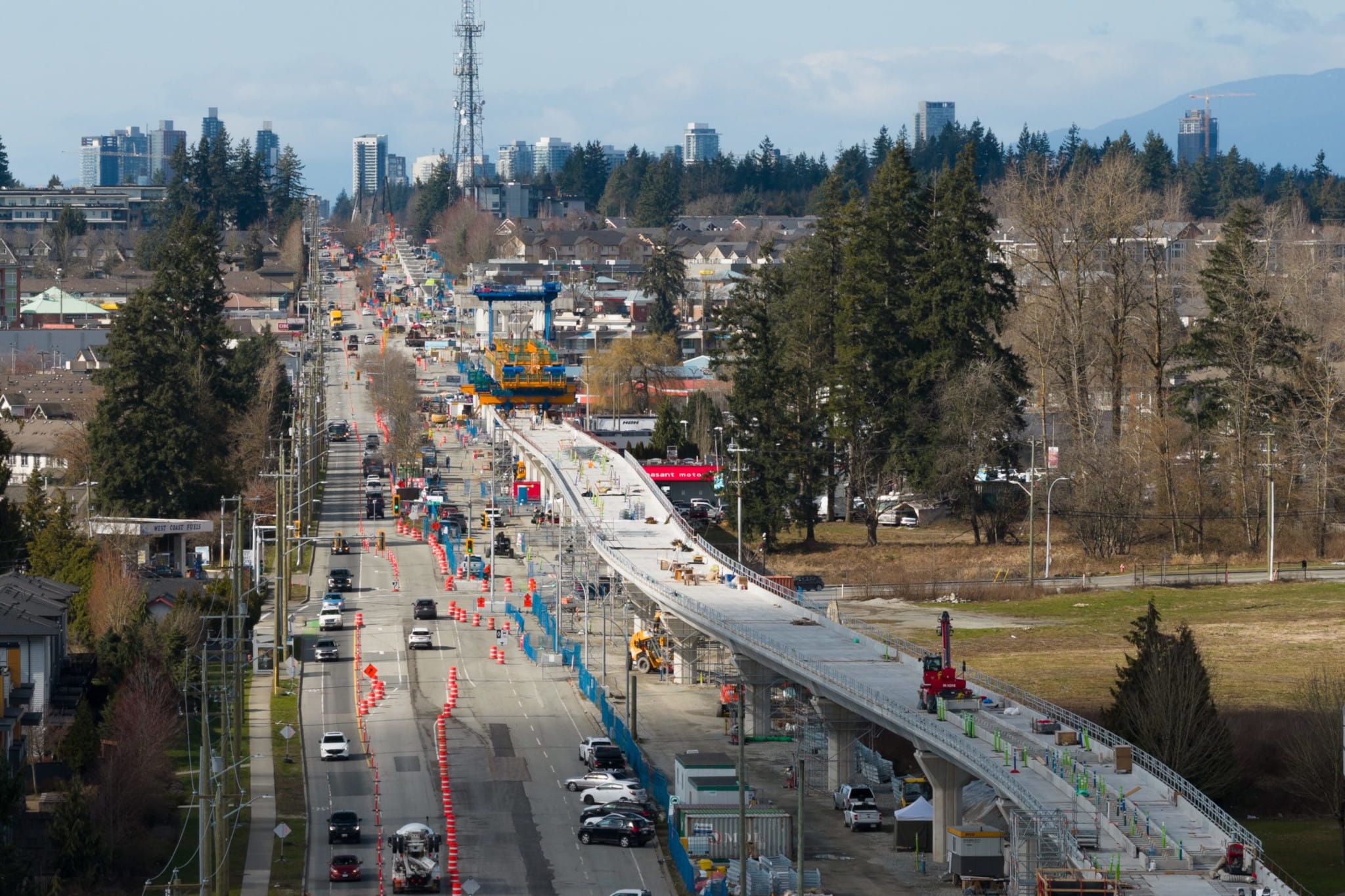
The ongoing construction of the Surrey-Langley SkyTrain extension, and the associated road closures in Vancouver, highlights a persistent tension within urban development across the Asia-Pacific. The Government of B.C. announced that a section of Fraser Highway, between 140th Street and 96th Avenue, will experience new closures. These closures are specifically to support guideway work over the roadway, including delivery and lifting of large components for the SkyTrain guideway, installation of rails, and continued work on the station. Such infrastructure projects, while designed to improve future connectivity, frequently impose an immediate, tangible cost on the daily functions of an urban area.
For a culinary ecosystem, these disruptions translate directly into altered access. A food business, whether a high-end restaurant or a street food stall, relies on a confluence of factors: the quality of its ingredients, the skill in its preparation, and critically, the ease of access for both suppliers and patrons. When a major thoroughfare like Fraser Highway experiences closures, as the Surrey Langley SkyTrain Project has indicated with its need for 'a series of traffic pattern changes, affecting vehicle and pathway access,' the implications for local food establishments are not merely inconvenient; they can threaten viability. Supplier routes can become longer, increasing delivery times and potentially compromising ingredient freshness. The ease with which diners can reach an establishment diminishes, impacting customer flow. The local food landscape, much like a complex recipe, thrives on predictable conditions; unforeseen and sustained interference with its foundational systems can significantly alter its outcome.
While the long-term benefits of enhanced public transit are frequently cited—including potential increases in foot traffic and a broader customer base once completed—the interim period presents a considerable challenge. The discourse around such developments often emphasizes 'progress,' yet it rarely accounts for the granular, day-to-day impact on specific economic sectors. Daily Hive Vancouver acknowledged the inconvenience to 'drivers and commuters,' but the particular stress placed upon the food and beverage sector often goes unexamined. This oversight is significant, particularly in regions across the Asia-Pacific where local markets and independent food vendors form a foundational part of the culinary identity and frequently operate on thin margins. The technique of urban renewal, often involving large-scale, disruptive interventions, invariably tests the resilience of smaller, more fragile enterprises. The question for urban planners in the Asia-Pacific, therefore, extends beyond the mere technical placement of infrastructure; it must encompass the sustenance of the existing ecosystem that provides cultural depth and economic dynamism.
This immediate cost is sometimes addressed through public awareness campaigns or temporary mitigation strategies, but these measures rarely fully compensate for lost revenue or altered customer habits. The underlying constraint here is the disjunction between macro-level infrastructure planning and the micro-level realities of maintaining a dynamic and accessible culinary environment. The construction methodology, requiring the lifting of large components and ongoing station work, dictates a certain unavoidable disruption. The unresolved challenge remains how to integrate these necessary, yet intrusive, engineering feats with the delicate and immediate needs of urban commercial life, particularly in sectors as sensitive to access and flow as food service.
Sources
Newsletter
Pacific Daily
A curated briefing from Thailand, Asia-Pacific and the world.