Singapore's Grocery Delivery Contest Signals Sector Consolidation
Intensifying competition between Grab and Foodpanda in Singapore indicates a wider trend of market rationalization driven by capital and strategic shifts.
SINGAPORE
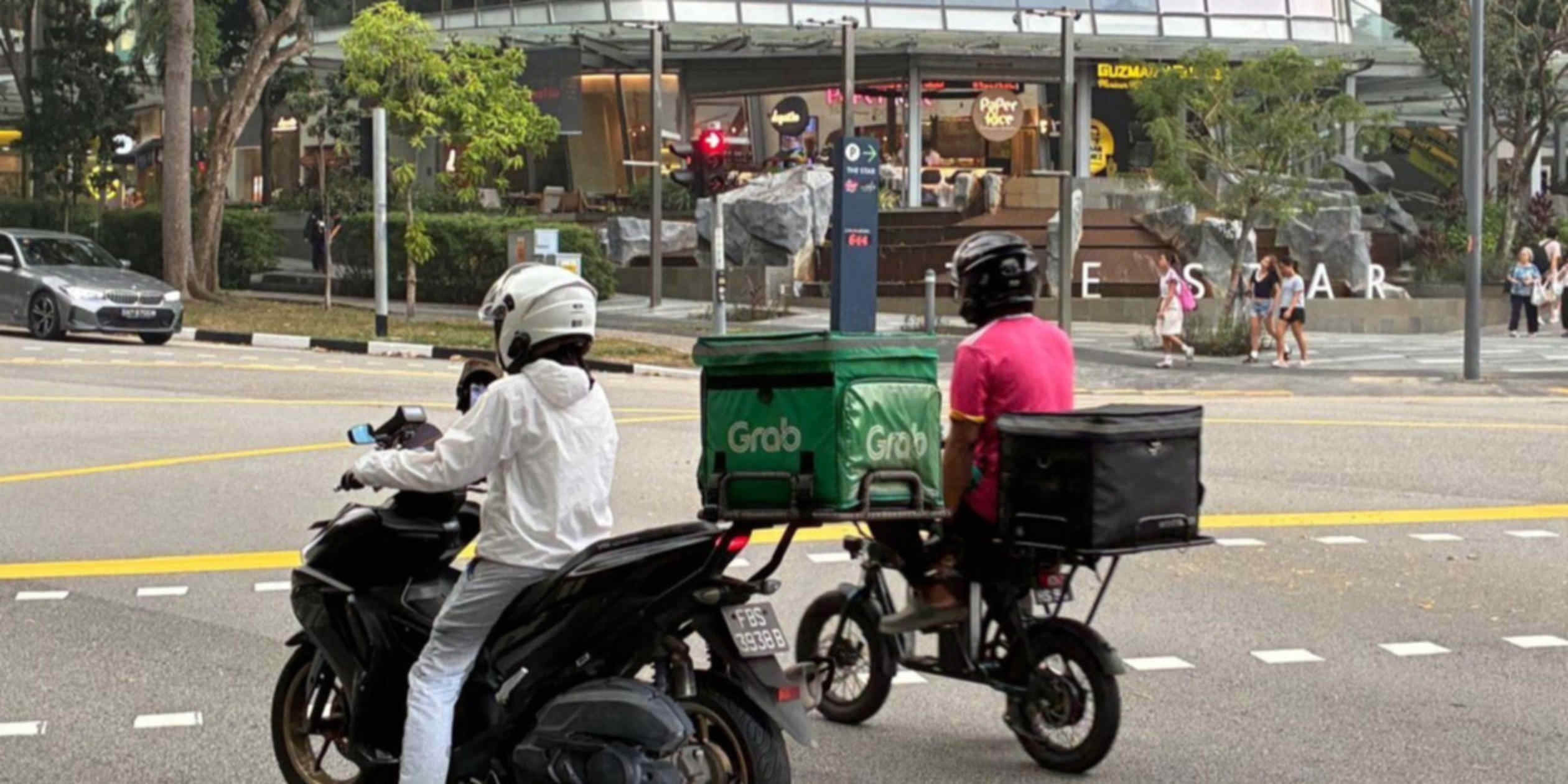
The reported heating up of the grocery delivery contest between Grab and Foodpanda in Singapore on 2026-10-13 marks a critical juncture for Southeast Asia’s digital economy. This localized competition reflects a structural shift within the broader food delivery sector, where prior periods of rapid expansion are giving way to strategic consolidation and a re-evaluation of growth drivers.
The initial phase of explosive growth for food delivery apps, as noted by CNBC in 2023-08-02, has stalled. This led platforms like Grab and Foodpanda to expand into dine-in services, seeking new revenue streams. The current focus on grocery delivery and "quick commerce" suggests a return to core logistics services, albeit with an expanded product offering. The Business Times observed on 2026-02-02 that quick commerce could become a key growth driver, indicating a potential shift in market strategy.
Capital deployment underlies this intensified competition. In 2026-03-23, Singapore’s Grab acquired Foodpanda Taiwan in a USD 600,000,000 deal with Delivery Hero. This transaction underscores a clear intent by Grab to consolidate its regional presence and eliminate competition in specific markets. While the immediate reporting from Nikkei Asia focuses on Singapore, the acquisition of Foodpanda Taiwan suggests a broader regional strategy. Grab gains market share and operational scale through such moves, while Delivery Hero sheds assets, potentially to optimize its own portfolio or reduce exposure in a highly competitive landscape.
This consolidation is not merely about market dominance. It is also about who holds decision-making power in a maturing industry. As larger players like Grab absorb competitors, they centralize control over pricing, logistics networks, and consumer data. This reduces the number of independent entities and limits options for both consumers and vendors. The remaining players must demonstrate efficiency and profitability, pressures that may not align with continued aggressive expansion into new, unproven services.
For consumers, a reduced number of dominant players could lead to fewer promotional offers and potentially higher service fees over time. For smaller local businesses that rely on these platforms for reach, a concentrated market may mean less bargaining power regarding commission rates and operational terms. The challenge for these platforms is to demonstrate that economies of scale translate into better service or more stable pricing, rather than simply increased corporate leverage.
The shift toward grocery delivery, which demands different logistical infrastructure and inventory management compared to restaurant food delivery, also presents operational hurdles. Maintaining freshness, managing stock, and ensuring timely delivery for a wider array of products adds complexity. The long-term viability of these aggressive grocery pushes hinges on resolving these operational constraints efficiently.
The current contest in Singapore illustrates a wider trend across the Asia-Pacific: digital platforms are moving past the initial land-grab phase into a more calculated, capital-intensive struggle for sustained market leadership. The immediate outcome in Singapore will reveal how effectively these giants can leverage financial power and strategic acquisitions to reshape consumer habits, and who ultimately benefits from the rationalization of an industry that once prioritized growth above all else.
Sources
Newsletter
Pacific Daily
A curated briefing from Thailand, Asia-Pacific and the world.