Singapore's Diversifying Niche: Beyond Tech Hub Aspirations
While Singapore positions itself as an Asia-Pacific hub for advanced technology and finance, a reported interest in horseback archery highlights a less visible facet of its development, raising questions about infrastructure and cultural support for diverse pursuits.
SINGAPORE
Singapore continues to solidify its position as a regional nexus for technology and finance. Recent reports indicate HashKey’s interest in purchasing Singapore’s Asia Pacific Exchange, while UK industrial AI firm PhysicsX, backed by Temasek, has established an Asia-Pacific hub in the city-state. This follows news of OpenAI’s Singapore-based Asia-Pacific policy head preparing to leave, suggesting a dynamic but perhaps fluid landscape for high-level tech engagement.
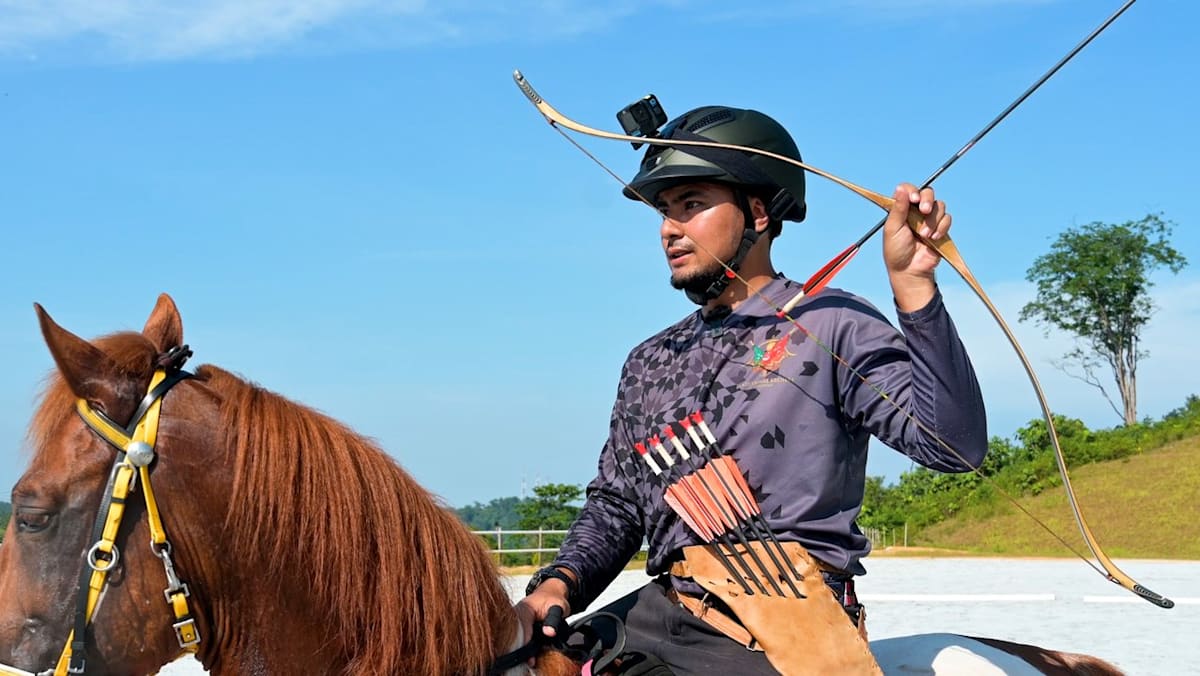
This structural commitment to advanced industries defines a significant part of Singapore's regional identity. However, another report from Channel News Asia in October 2026 detailed the participation of two Singaporean riders in horseback archery. One rider, Mr. Shalihin Ahmaddullah, reportedly began horseback archery 11 years ago as a stable hand in Johor Bahru, Malaysia. He described the activity as one where, “In that moment, nothing else matters. It’s just you, the horse and the target.” The other rider, Mr. Syed Idrus, noted, “We have to be creative and smart when it comes to our training.” These accounts indicate that such niche activities require adapted training methods, likely due to infrastructure constraints.
The existence of these athletes suggests a pursuit of specialized interests that does not align with the predominant image of Singaporean development. The statement about needing to be “creative and smart” for training points to a potential gap in dedicated facilities or supportive ecosystems for activities like horseback archery within Singapore itself. If training must adapt significantly, it implies a lack of specific investment in infrastructure for such non-traditional sports, or that participants rely on facilities outside Singapore, such as in Johor Bahru where Mr. Ahmaddullah first trained.
This contrast reveals a subtle tension: Singapore’s focus on high-value sectors might inadvertently overlook the infrastructure needs for a broader range of cultural or sporting activities. While attracting AI firms and facilitating financial mergers are clear economic priorities, the dedication of individuals to pursuits requiring significant space and specialized animal care, like horseback archery, challenges the narrative of a uniformly supported, diverse lifestyle. This is not to say that Singapore discourages such activities, but rather that its structural priorities may not proactively create the conditions for them to thrive organically without considerable individual effort.
The allocation of resources and space in a densely populated, economically driven nation remains a persistent constraint. How Singapore’s long-term planning will address the expanding and diversifying interests of its population, particularly those beyond economically strategic sectors, remains unresolved. The outcome now depends on whether future policy broadens its scope to include, and actively support, the diverse and sometimes space-intensive hobbies that emerge among its residents.
Sources
Newsletter
Pacific Daily
A curated briefing from Thailand, Asia-Pacific and the world.