Singapore Gallery Shutdown Underscores Art Market's Fragility
Delfi Orchard's forced closure of Tang Contemporary Art reveals vulnerabilities for artists and collectors, highlighting the precarious balance in Asia's commercial art ecosystem.
SINGAPORE
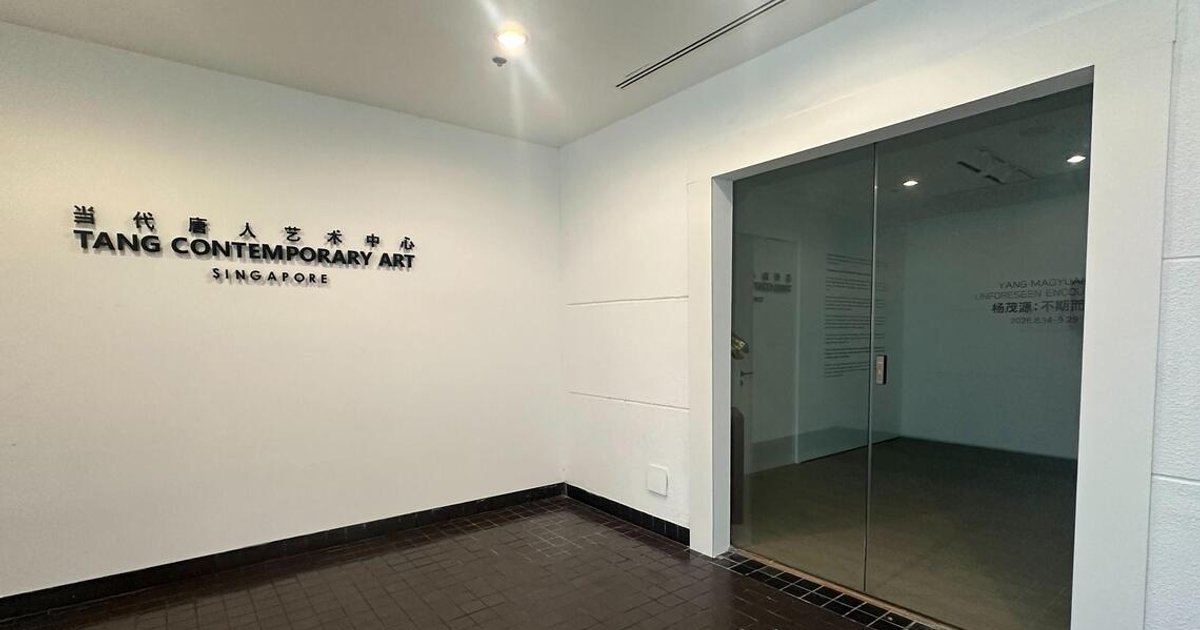
The physical space, its accessibility, and the landlord-tenant relationship are fundamental to any commercial venture. When Delfi Orchard in Singapore forcibly shut down the international art gallery Tang Contemporary Art, disabling lifts to its sixth-floor space, these basic operational necessities became the central issue. The mall's action follows alleged unpaid rent.
This incident directly affects artists. Artists are raising concerns over unpaid works and payments. Such financial precarity directly impacts their ability to sustain their practice, underscoring how deeply artists depend on their commercial partners. A gallery manager stated an October exhibition would still proceed. This claim exists in tension with a physical space that has been locked down by its landlord.
Singapore's situation is not an isolated event. Tang Contemporary Art’s troubles in Singapore follow the abrupt closure of one of its Hong Kong outlets. This pattern suggests a systemic fragility within commercial art galleries rather than an isolated operational misstep. Repeated closures erode confidence in the regional art market, which has experienced growth but faces underlying structural challenges.
The commercial property landscape itself adds a layer of pressure. Delfi Orchard was up for collective sale at a $438 million guide price. New mall owners have since been noted, yet Orchard Road still faces a slow reset. These broader economic shifts in commercial real estate can impact tenants like art galleries. Such pressures may manifest as increased operating costs or renegotiated lease terms. A retail space, even one in a prominent location, cannot function for its tenants if they cannot sustain their operations within it.
The episode prompts questions about the fundamental architecture of the art market in Asia. For collectors, the security of their acquisitions is tied to the stability of the galleries representing artists. For artists, the reliance on galleries for exhibition, sales, and often validation, places them in a vulnerable position when these institutions encounter financial distress. The opacity around gallery finances leaves many stakeholders exposed to unexpected commercial disputes.
While new institutions, such as Hong Kong's modern art museum which opened in 2021, contribute to cultural infrastructure, the commercial backbone supporting creative output remains exposed to economic fluctuations. The physical location of a gallery and its ability to maintain its lease are as critical to its function as the art it displays. The design of a gallery, however well-conceived, becomes irrelevant if its doors are locked. The ongoing situation at Delfi Orchard underscores the need for greater clarity and more robust contractual protections for artists, ensuring creative work is not held hostage by commercial disputes.
Sources
Newsletter
Pacific Daily
A curated briefing from Thailand, Asia-Pacific and the world.