Singapore Airlines' Next Widebody Era and What It Means for Changi as a Hub
The arrival of a new generation of Boeing 777 aircraft is less about seats than about protecting Singapore's place at the centre of long-haul Asia.
SINGAPORE
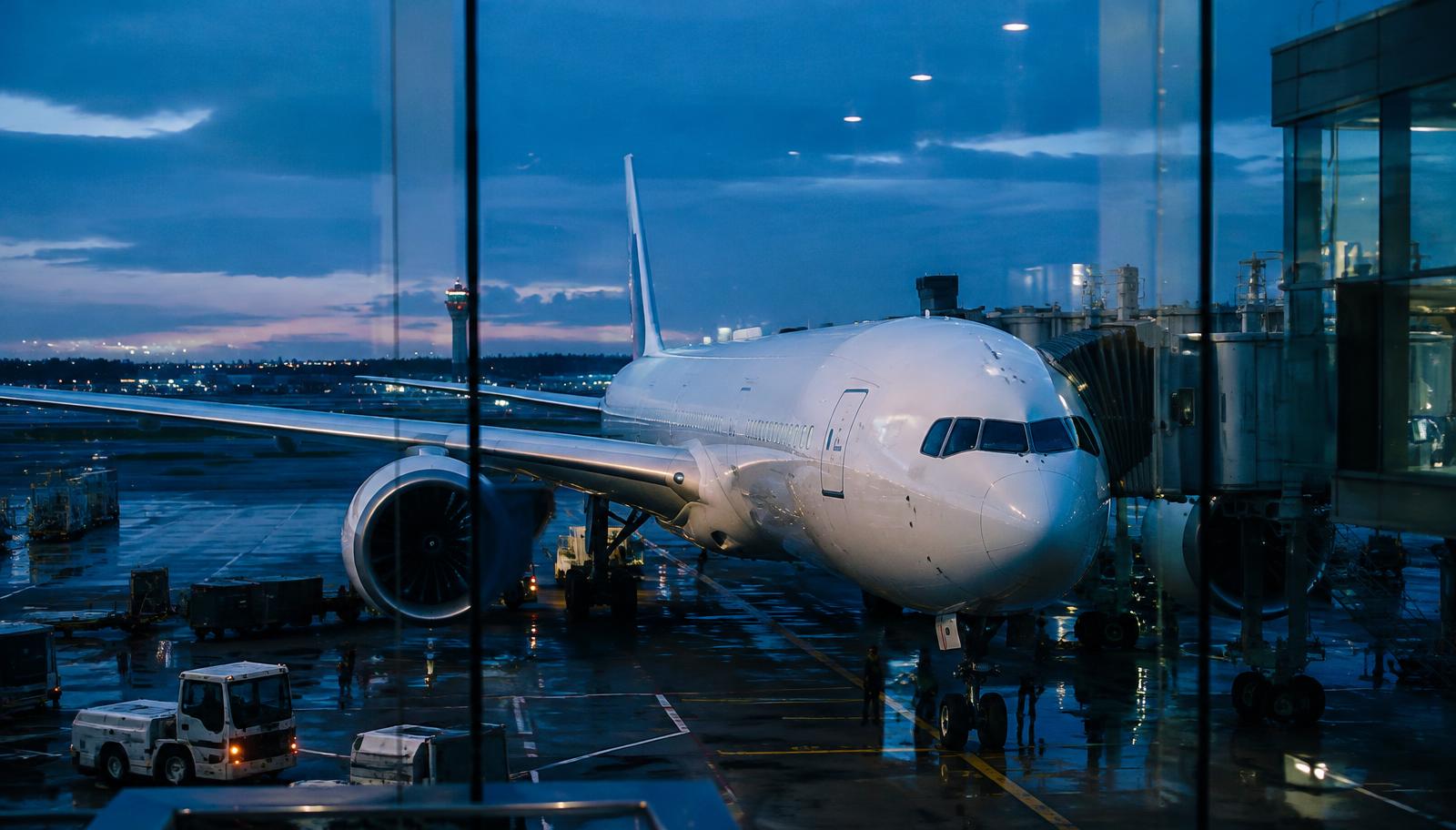
SINGAPORE — For travellers in the Pacific, few routines are as familiar as the late-evening departure from Changi: a long walk past orchids and carpets, a quiet gate, and an overnight flight to Europe, Australia or North America. Behind that routine sits one of aviation's most careful fleet strategies, and Singapore Airlines' preparation for its next generation of Boeing 777 widebodies is the latest chapter.
The airline has long used aircraft choice as a statement of intent. It was an early operator of the Airbus A380 and has relied heavily on the Airbus A350 for ultra-long routes such as Singapore to New York. The Boeing 777 family has been its regional and long-haul workhorse for decades, and the newer 777-9 is intended to replace older jets with more efficient engines, a wider cabin and lower emissions per seat.
Delays to the new Boeing programme have complicated planning across the industry, forcing carriers to extend leases and keep older aircraft flying longer. For Singapore Airlines, that has meant refreshing cabins on existing jets while waiting, so that the passenger product does not fall behind rivals in the Gulf, Hong Kong and Japan.
Why aircraft decide hubs
Singapore has no domestic market. Every passenger the airline carries either begins or ends a journey abroad, which makes the city's prosperity unusually dependent on connections. Changi's success rests on attracting travellers who could just as easily connect in Dubai, Doha, Istanbul, Hong Kong or Bangkok.
Larger, more efficient widebodies help in two ways. They lower the cost of flying long sectors, allowing competitive fares, and they let the airline offer premium cabins that command higher prices from business travellers. Changi's own expansion plans, including the future Terminal 5, assume that this traffic will keep growing.
The passenger experience
For most travellers, the details that matter are practical: seat comfort, quiet cabins, reliable Wi-Fi and good sleep on overnight flights. New aircraft generally deliver lower cabin altitude and better humidity, which reduce fatigue on long journeys. Premium travellers will watch closely for redesigned suites and business-class seats, an area in which Singapore Airlines has historically set the pace.
Sustainability is a harder test. More efficient engines cut fuel burn, but growth in total flying can cancel out those gains. Singapore has introduced plans for a sustainable aviation fuel levy on departing flights, and airlines across Asia face rising pressure to show credible decarbonisation pathways.
The bigger point is strategic. In a region where Bangkok, Hong Kong, Kuala Lumpur and Tokyo all want a larger share of long-haul connections, Singapore is betting that the best aircraft, the most dependable schedule and a world-class airport will continue to outweigh geography. The next widebody era is how it intends to keep that bet.
Sources
Newsletter
Pacific Daily
A curated briefing from Thailand, Asia-Pacific and the world.